
racteristic of her public life.
- Beyond her royal duties, she had a deep love for animals, particularly corgis and horses, and found solace in country pursuits.
- Her legacy is one of stability, continuity, and a profound commitment to service in an ever-changing world.
Born to Duty: An Unforeseen Path
Born Princess Elizabeth Alexandra Mary of York on April 21, 1926, her early life was far from what one might expect for a future queen. She was the eldest daughter of Prince Albert, Duke of York (later King George VI), and Elizabeth Bowes-Lyon (later Queen Elizabeth The Queen Mother). At the time of her birth, her uncle, Edward VIII, was the heir apparent, making Elizabeth’s own path to the throne seem distant.
Last updated: June 10, 2026
Her education was unique, tailored to her eventual, though not immediately anticipated, role. She and her younger sister, Princess Margaret, were educated at home by a governess and received private tuition. Her curriculum included history, languages, literature, and music. Crucially, she also studied constitutional history and law, ensuring she was well-prepared for the responsibilities of the Crown. This bespoke education, overseen by her parents and a team of tutors, provided a deep understanding of her future role.
A key moment arrived in 1936 with the abdication of her uncle, Edward VIII, following his desire to marry Wallis Simpson, an American divorcée. Her father, the Duke of York, reluctantly became King George VI, thrusting Princess Elizabeth into the position of heir presumptive. This shift dramatically altered the trajectory of her young life.

Wartime Resilience and Royal Service
The looming shadow of World War II cast a long and defining period over Elizabeth’s formative years. When war broke out in 1939, the young princess, just 13, remained in Britain with her family, a decision made to provide a symbol of national unity and resilience. The Royal Family’s refusal to evacuate, despite the dangers, resonated deeply with the public.
In 1940, during the height of the Blitz, a 14-year-old Elizabeth made her first public broadcast, addressing the children of the Commonwealth. Her voice, steady and reassuring, offered solace and hope during a time of immense fear and uncertainty. Later, in 1942, she became the first female member of the Royal Family to join the Auxiliary Territorial Service (ATS) as a subaltern. She trained as a driver and mechanic, demonstrating a hands-on approach to her wartime duties, a practical skill that would serve her well in later life.
Her wartime service wasn’t just symbolic; it was a tangible demonstration of her commitment to her country and its people. This period instilled in her a deep understanding of the sacrifices made by ordinary citizens and forged a bond with the nation that would endure throughout her reign.
Ascending the Throne: A New Era Begins
The untimely death of her father, King George VI, on February 6, 1952, propelled Princess Elizabeth to the throne at the age of just 25. She was in Kenya on a royal tour with her husband, Prince Philip, when the news reached her. Her accession marked the beginning of a new chapter for the British monarchy and the nation.
Her coronation, a grand spectacle broadcast globally on June 2, 1953, was a key moment. It was the first coronation ever televised, a decision she supported despite initial reservations, signaling a modern approach to the monarchy. Millions watched as she was crowned Queen Elizabeth II, taking her solemn oath to serve her people. This event cemented her image as a young, determined monarch ready to lead.
Significant global shifts marked the early years of her reign. The post-war era saw the decline of the British Empire and the rise of the Commonwealth, an association of 53 independent states that she would champion throughout her life. She navigated the complex geopolitical landscape, offering continuity and a steady hand during periods of decolonization and the Cold War.
Championing the Commonwealth: A Lifelong Commitment
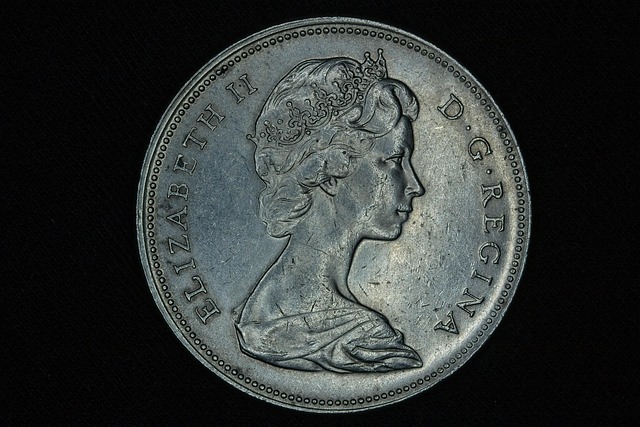
Perhaps one of the most defining aspects of Queen Elizabeth Alexandra Mary’s reign was her unwavering dedication to the Commonwealth. From her very first Christmas broadcast in 1952, she declared her intention to serve the peoples of the Commonwealth, a promise she upheld for over seven decades.
She saw the Commonwealth not just as a political entity, but as a family of nations bound by shared values and a desire for cooperation. She undertook numerous tours to Commonwealth countries, often visiting more frequently and for longer durations than any previous monarch. These journeys were not mere ceremonial appearances; they were opportunities to connect with diverse cultures, understand local challenges, and foster goodwill.
Her commitment extended beyond state visits. She actively engaged with Commonwealth leaders and citizens, often through personal correspondence and her annual Christmas messages, which frequently highlighted Commonwealth themes. As of June 2026, the Commonwealth continues to thrive, a testament to the Queen’s personal investment and vision for this unique global association.
The Commonwealth Secretariat, established in 1965, and the Commonwealth Heads of Government Meetings (CHOGM) became important platforms for dialogue and collaboration, with the Queen playing a consistent and influential role behind the scenes.
A Modern Monarch in a Changing World
Queen Elizabeth II’s reign was a period of unprecedented social, technological, and political change. She witnessed the transition from post-war austerity to the swinging sixties, the digital revolution, and the increasing interconnectedness of the world.
Throughout these transformations, she remained a figure of continuity, yet she also oversaw significant adaptations within the monarchy itself. The Royal Family embraced television, authorized biographical documentaries, and gradually allowed for more public access to royal events. These were not always easy decisions, and the monarchy faced criticism and scrutiny, particularly during periods of public unrest or personal scandal involving family members.
She navigated these challenges with a characteristic blend of dignity and discretion. Her approach was often to let time and public opinion play out, intervening only when absolutely necessary. This measured response, while sometimes perceived as detached, often preserved the institution’s long-term stability. The late Queen’s understanding of the evolving media landscape was evident in her later years, with the Royal Family’s increased presence on digital platforms.

Beyond the Crown: A Private World
While her public life was one of constant duty, Queen Elizabeth Alexandra Mary cherished her private moments and personal passions. Her love for animals, particularly her Corgis and horses, was well-documented. She was a lifelong patron of the Kennel Club and the British Horse Society, and her Corgis were almost as famous as she was.
Her passion for horses extended beyond mere ownership; she was an avid racehorse breeder and owner, attending races like Royal Ascot for decades. This was a personal interest she shared with her mother and grandmother, a connection to a long-standing royal tradition.
Balmoral Castle in Scotland and Sandringham House in Norfolk were her sanctuaries, places where she could unwind with her family, often engaging in country pursuits like walking, fishing, and shooting. These estates provided a much-needed escape from the demands of public life and allowed her to maintain a semblance of normalcy.
Her marriage to Prince Philip, Duke of Edinburgh, for over 73 years, was a cornerstone of her personal life. Their partnership, though tested by the unique pressures of royal existence, was a testament to enduring companionship and mutual support. He was her constant companion and confidant, sharing the burdens and joys of their extraordinary lives.
The Queen’s Enduring Legacy
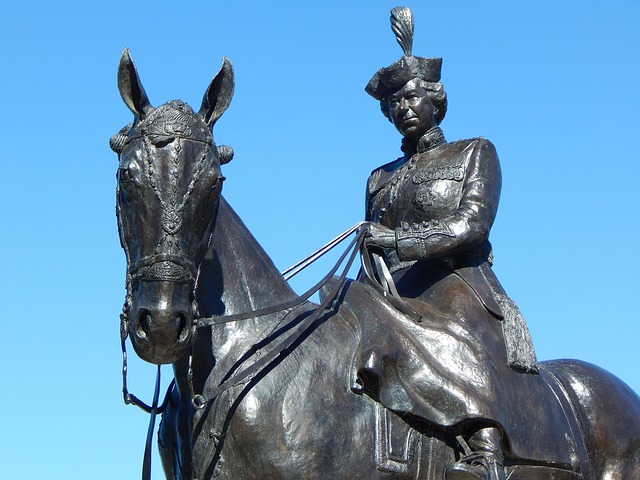
Queen Elizabeth Alexandra Mary’s legacy is complex. She is remembered as a monarch who steered the United Kingdom and the Commonwealth through 70 years of profound transformation. Her unwavering commitment to duty, her sense of public service, and her ability to remain a symbol of stability in a turbulent world are unparalleled.
She became the ultimate constant in the lives of millions, a living link to history and tradition. Her reign witnessed the end of empire, the rise of new nations, the advent of the internet, and countless other societal shifts. Through it all, she maintained a remarkable composure and dedication to her role.
According to the Royal Family’s official website, she undertook over 21,000 official engagements during her reign, a staggering number that highlights her lifelong commitment. Her public appearances, though often formal, were characterized by a genuine warmth and a remarkable ability to connect with people from all walks of life.
Her influence extended beyond the UK, making her one of the most recognized and respected figures on the global stage. Her state visits and her role in international diplomacy, particularly within the Commonwealth, were instrumental in fostering relationships and promoting understanding.
Challenging Assumptions: What We Get Wrong
Despite her public profile, common misconceptions about Queen Elizabeth Alexandra Mary persist. One frequent assumption is that she was aloof or detached. However, those who knew her often spoke of her sharp wit, keen observational skills, and a dry sense of humor.
Another misconception is that the monarchy is purely ceremonial. While much of her role was indeed symbolic, the Queen was deeply involved in the workings of government. She held regular audiences with Prime Ministers, from Winston Churchill to Liz Truss, receiving confidential briefings and offering counsel based on her unique perspective and decades of experience. The King’s Privy Council, which she chaired, is a significant advisory body, and her role in national events, such as opening Parliament, held deep constitutional meaning.
And, some believe she was merely a figurehead, passively observing events. In reality, she was a skilled diplomat, adept at navigating international relations and subtle political nuances. Her extensive travels and her deep understanding of global affairs contributed significantly to the UK’s foreign policy and its standing in the world.
Insights from the Reign
One key insight into her success was her unparalleled ability to adapt while maintaining core principles. For instance, in the face of evolving public expectations regarding royal transparency, the monarchy, under her guidance, gradually opened its doors wider. The introduction of public tours of Buckingham Palace and the livestreaming of certain royal events were significant shifts from the more private era of her early reign.
Her approach to public engagement, often characterized by walkabouts where she would mingle with crowds, demonstrated a conscious effort to remain accessible. This practice, though sometimes challenging logistically and security-wise, allowed for direct connection with the populace, a crucial element in maintaining public goodwill.
Another best practice was her consistent focus on service. Her annual Christmas broadcasts, for example, were not merely festive greetings but often served as reflections on the year’s challenges and an encouragement for unity and resilience. This consistent messaging reinforced her role as a moral compass for the nation.
Frequently Asked Questions
What was Queen Elizabeth Alexandra Mary best known for?
Queen Elizabeth Alexandra Mary, known as Queen Elizabeth II, was primarily known for her record-breaking reign of over 70 years, her unwavering dedication to duty, and her role as a symbol of stability for the United Kingdom and the Commonwealth.
When did Queen Elizabeth Alexandra Mary become Queen?
Princess Elizabeth Alexandra Mary became Queen Elizabeth II on February 6, 1952, following the death of her father, King George VI. She was 25 years old at the time of her accession.
What was Queen Elizabeth Alexandra Mary’s role in World War II?
During World War II, Princess Elizabeth joined the Auxiliary Territorial Service (ATS) as a subaltern, where she trained as a driver and mechanic, contributing to the war effort and demonstrating early commitment to public service.
How did Queen Elizabeth Alexandra Mary impact the Commonwealth?
Queen Elizabeth II was a steadfast champion of the Commonwealth, undertaking numerous tours and actively engaging with its member nations, fostering unity and cooperation throughout her long reign.
What were Queen Elizabeth Alexandra Mary’s personal interests?
Beyond her royal duties, Queen Elizabeth Alexandra Mary had a deep passion for horses and horse racing, and she was a renowned lover of dogs, particularly her Corgis, finding great joy in her country estates.
What is Queen Elizabeth Alexandra Mary’s lasting legacy?
Her lasting legacy is one of consistent service, profound dedication to her role, and providing a unifying, stable presence through decades of unprecedented global change and societal evolution.
A Reign of Unwavering Dedication
Queen Elizabeth Alexandra Mary’s life was a masterclass in dedication and service. From an unexpected ascent to the throne to guiding a nation through seismic shifts, her reign was defined by an unshakable commitment to her people and the Commonwealth. Her ability to adapt while remaining a constant, coupled with her personal passions, paints a picture of a monarch who was both a historical figure and a relatable individual.
The most significant takeaway from her life is the power of consistent, unwavering commitment to one’s chosen path, demonstrating that even in the face of immense pressure and change, a dedication to duty can leave an enduring and positive mark on the world.
Last reviewed: June 2026. Information current as of publication; details may change.
Source: Britannica
Editorial Note: This article was researched and written by the Day Spring Management editorial team. We fact-check our content and update it regularly. For questions or corrections, contact us.
Related read: Vance Luther Boelter: Understanding the 2025 Minnesota Lawmaker Attacks.