Your 2026 Croatian Adventure Awaits
When you picture Croatia, what comes to mind? Perhaps it’s the shimmering turquoise waters of the Adriatic Sea, the ancient stone walls of historic cities, or the cascading waterfalls of its famed national parks. As of June 2026, Croatia continues to captivate travelers with its diverse landscapes, rich history,, and vibrant culture. This guide is designed to help you Handle the very best places to visit in Croatia, ensuring your 2026 trip is nothing short of spectacular.
Last updated: June 6, 2026
Most travelers wonder if Croatia truly lives up to the hype. The answer is a resounding yes. From the Roman grandeur of Split to the medieval charm of Dubrovnik, and the natural wonder of Plitvice Lakes, Croatia offers a complex experience that appeals to history buffs, beach lovers, adventure seekers, and foodies alike.
Key Takeaways
- Dubrovnik offers stunning medieval architecture and coastal beauty.
- Split boasts Roman history with Diocletian’s Palace at its heart.
- Plitvice Lakes National Park is a must-see for natural wonders.
- Hvar is the prime destination for island hopping and vibrant nightlife.
- Explore the Roman amphitheater in Pula for a different historical perspective.
Dubrovnik: The Pearl of the Adriatic
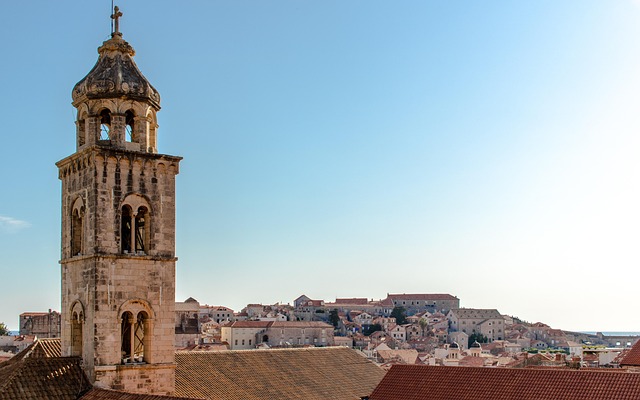
No exploration of the best places to visit in Croatia would be complete without mentioning Dubrovnik. This UNESCO World Heritage site is famous for its remarkably preserved medieval architecture, including its iconic city walls. Walking atop these walls, a journey that takes about two hours, offers breathtaking panoramic views of the old town’s terracotta rooftops and the sparkling blue sea. It’s an experience that truly transports you back in time. As of June 2026, visitor numbers remain high, so booking accommodations and popular tours in advance is highly recommended.
Beyond the walls, the Stradun, Dubrovnik’s main street, buzzes with activity. Here, you’ll find charming cafés, shops, and restaurants. Don’t miss the Rector’s Palace, a stunning example of Gothic-Renaissance architecture, and the Franciscan Monastery, home to one of the oldest pharmacies in Europe. For a different perspective, take the cable car up Mount Srđ for unparalleled sunset views over the city and the Elaphiti Islands. While Dubrovnik is undeniably beautiful, it can be quite crowded, especially during peak summer months. Consider visiting in the shoulder seasons of May, June, or September for a more relaxed experience.
Split: Where History Meets Modernity
Further south along the Dalmatian Coast lies Split, Croatia’s second-largest city and a vibrant hub of culture and history. The undisputed star is Diocletian’s Palace, a sprawling Roman complex that now forms the historic heart of the city. This isn’t just a ruin; it’s a living, breathing part of Split, with shops, restaurants, and homes built within its ancient walls. Exploring its labyrinthine alleys feels like stepping into a history book, yet it’s alive with the energy of a modern Mediterranean city. According to historical records, construction of the palace began around 295 AD.
Wander through the Peristyle, the palace’s central square, and imagine the life of Emperor Diocletian. Climb the bell tower of St. Dominus Cathedral for fantastic city views. Split also boasts a beautiful Riva promenade, perfect for a leisurely stroll, and is the primary gateway to the central Dalmatian islands like Hvar, Brač, and Vis. A slight drawback is that the palace’s ancient stone streets can be uneven, making comfortable footwear essential. The city’s popularity means it can also get quite busy, but its size allows for a more dispersed tourist experience compared to Dubrovnik.
Plitvice Lakes National Park: A Natural Masterpiece
For nature enthusiasts, Plitvice Lakes National Park is an absolute must-visit among Croatia’s top destinations. This UNESCO World Heritage site is renowned for its 16 terraced lakes, interconnected by stunning waterfalls and streams that flow through lush forests. The water’s incredible clarity and vibrant hues, ranging from emerald green to deep blue, change with the light and mineral content, creating a truly magical spectacle. Wooden walkways and hiking trails wind through the park, allowing visitors to get up close to this natural wonder.
The park is divided into the Upper Lakes and Lower Lakes, each offering unique scenery. Electric boats ferry visitors across the larger Kojak Lake, connecting the two sections. While undeniably beautiful, remember that swimming is prohibited to preserve the delicate ecosystem. Crowds can be significant, particularly in July and August.
To enhance your experience and avoid the biggest throngs, consider visiting early in the morning or later in the afternoon. The park’s popularity means tickets often sell out, especially during peak season, so booking online in advance is crucial as of June 2026. According to the park’s official visitor information, over 1.7 million people visited in 2026.
Hvar Island: Glamour and Natural Beauty
When it comes to Croatia island hopping, Hvar often takes center stage. Known for its glamorous atmosphere, beautiful beaches, and historic Venetian-era architecture, Hvar Town is a popular destination for celebrities and discerning travelers alike. The island boasts a Mediterranean climate, making it ideal for enjoying its numerous coves, vineyards, and olive groves. Explore the charming Hvar Town, with its picturesque harbor, St. Stephen’s Cathedral, and the impressive Španjola Fortress offering panoramic views.
Beyond Hvar Town, rent a scooter or car to discover hidden beaches like Subotica or Jagodna, or visit the Pakleni Islands archipelago, a short boat ride away, offering secluded bays and crystal-clear waters perfect for swimming and snorkeling. Hvar is also renowned for its lavender fields, which are particularly fragrant and picturesque in early summer. While Hvar offers a lively nightlife scene, it can also come with a higher price tag compared to other islands. For those seeking tranquility, consider staying in smaller towns like Stari Grad or Elsa.
Pula: A Roman Legacy in Istria
For a taste of Roman history outside of Split, Pula in the Istrian peninsula is a fantastic choice. Its most prominent landmark is the Pula Arena, one of the best-preserved Roman amphitheaters in the world. This majestic structure once hosted gladiator contests and now serves as a venue for concerts and festivals, with its impressive preservation allowing visitors to imagine its ancient past. The Arena dates back to the 1st century AD, making it a significant historical site.
Beyond the Arena, Pula offers other Roman ruins, including the Arch of the Sergii and the Temple of Augustus. The city also has a charming old town and a picturesque harbor. Istria as a region is known for its culinary delights, particularly truffles and olive oil, making Pula a great base for exploring the gastronomic side of Croatia. A potential drawback is that Pula’s industrial port area can detract from its overall aesthetic charm for some visitors, though the historical sites are well-maintained and captivating.
Zagreb: Croatia’s Vibrant Capital
While the coast often steals the spotlight, Croatia’s capital city, Zagreb, offers a unique blend of Austro-Hungarian charm and modern energy. It’s a city of charming squares, bustling cafés, and impressive museums. Zagreb is divided into the Upper Town (Gornji Grad) and the Lower Town (Donji Grad). The Upper Town, with its gas lamps and historic buildings, is home to St. Mark’s Church, with its iconic tiled roof, and the Lorcaak Tower, which fires a cannon daily at noon.
Grand 19th-century architecture characterizs the Lower Town, spacious parks, and numerous museums, including the Museum of Broken Relationships, a unique and poignant experience. Zagreb’s culinary scene is also a highlight, offering traditional Croatian dishes alongside international fare. It’s a more laid-back destination than the coastal hotspots, offering a glimpse into daily Croatian life. For travelers looking to experience a different side of Croatia away from the crowded coast, Zagreb is an excellent choice. The city’s tram system makes it easy to get around, though exploring on foot is often the best way to discover its hidden gems.
Roving: A Charming Istrian Gem
Nestled on the Istrian peninsula, Roving is often cited as one of Croatia’s most picturesque towns. Its old town is perched on a hill, crowned by the Church of St. Euphemia, whose towering bell tower offers sweeping views of the Adriatic. The narrow, winding cobblestone streets are lined with art galleries, small boutiques, and inviting restaurants, creating a romantic and Bohemian atmosphere. Roving’s charm lies in its intimate scale and its stunning coastal setting.
The town’s vibrant harbor is a focal point, with colorful fishing boats bobbing in the water. Roving is also known for its excellent seafood and local Istrian wines. While its beauty is undeniable, the narrow streets can be challenging for those with mobility issues, and parking within the old town is restricted. Nevertheless, its enchanting ambiance makes it a standout destination for those seeking a quintessential Croatian coastal experience. According to local tourism data, Roving consistently ranks among the most visited towns in Istria.

Korčula Island: History and Wine on the Adriatic
Often called ‘Little Dubrovnik’ due to its impressive medieval walls and architecture, Korčula Town is a jewel on Korčula Island. Legend has it that Marco Polo was born here, and you can visit a house believed to be his. The island itself is known for its lush vineyards producing distinctive local white wines like Pošip and Grk. Exploring the island offers a mix of history, beautiful beaches, and wine tasting opportunities.
Beyond Korčula Town, rent a bike to explore charming villages and secluded coves. The island offers a more relaxed pace than some of the larger tourist hubs, making it ideal for those seeking a tranquil yet historically rich experience. While the ferry connections are good, getting to Korčula might require a bit more planning than reaching islands closer to the mainland. The island’s blend of history, wine, and natural beauty makes it a compelling stop on any Croatian itinerary.
Zadar: Roman Roots and Modern Marvels
Zadar offers a fascinating juxtaposition of ancient history and contemporary art installations. Its Roman forum ruins are a significant archaeological site, while the Sea Organ, a unique architectural sound art installation, plays melodies powered by the waves. Nearby, the Greeting to the Sun solar installation lights up the waterfront at night with a dazzling display of colors.
The city’s old town is located on a peninsula, accessible by a bridge, and its marble-paved streets are lined with Romanesque churches and modern cafés. Zadar is also a great base for exploring nearby national parks like Paklenica and Krka. While its attractions are distinct, some visitors find Zadar slightly less visually dramatic than Dubrovnik or Split, though its unique modern art features offer a different kind of appeal. The city’s accessibility and diverse attractions make it a well-rounded destination.
Krka National Park: Waterfalls and Nature
While Plitvice Lakes might be more famous, Krka National Park offers a different, yet equally stunning, waterfall experience. Located in central Dalmatia, Krka is known for its series of seven cascades, with Skradinski Buk being the most impressive. Unlike Plitvice, Krka historically allowed swimming in designated areas, though regulations can change, so it’s always wise to check current park rules. As of June 2026, swimming access at Skradinski Buk is generally restricted to preserve the site, but other areas may be open.
The park is also home to the Krka Monastery, built on the foundations of a Roman temple, and the Sinovac Monastery on an island in the middle of Lake Sinovac. The park is easily accessible from cities like Split and Šibenik. While it offers incredible natural beauty, it can get very crowded, especially during summer. Visiting on a weekday or outside of peak hours can help manage the crowds. The park’s proximity to Šibenik, with its UNESCO-listed cathedral, makes it a great addition to a regional itinerary.
Planning Your Croatian Itinerary
Deciding where to go in Croatia can be a delightful challenge, given its wealth of beautiful destinations. For a classic first-time visit, a combination of Dubrovnik, Split, and Plitvice Lakes National Park is highly recommended. This itinerary covers historic cities and breathtaking natural landscapes, offering a well-rounded introduction to the country. Many travelers spend at least a week to fully appreciate these key spots.
If you have more time, consider adding an island experience. Hvar, Korčula, or Brač are excellent choices for island hopping, offering beaches, charming towns, and distinct local flavors. For those interested in Roman history, Pula and Zadar provide unique insights. The capital, Zagreb, offers a vibrant urban experience distinct from the coastal allure.
When planning your trip for 2026, remember that the best time to visit Croatia is generally during the shoulder seasons: May, June, and September. The weather is pleasant, crowds are smaller, and prices are often more reasonable than in the peak summer months of July and August. According to data from the Croatian Bureau of Statistics, tourism figures in June and September are consistently high, indicating their popularity among savvy travelers.
Common Mistakes to Avoid
One common mistake is trying to see too much in too little time. Croatia is a diverse country, and rushing from place to place will diminish your experience. Focus on a region or a few key destinations to truly savor them. Another pitfall is not booking accommodations or popular tours in advance, especially for destinations like Dubrovnik and Plitvice Lakes, particularly during peak season. As of June 2026, advance booking is more critical than ever due to sustained high demand.
Underestimating travel times between locations is also a frequent error. While distances might seem short on a map, navigating coastal roads or relying on ferry schedules can add significant time to your journey. Lastly, failing to try the local cuisine is a missed opportunity. Croatian food, with its Mediterranean and Central European influences, is a highlight of any visit.
Expert Tips for Your Croatian Journey
For a more authentic experience, consider venturing beyond the most famous spots. Towns like Šibenik, Trogir, or the islands of Vis and Lastovo offer incredible beauty and culture with fewer crowds. If you’re visiting during summer, embrace early mornings and late afternoons to explore popular sites like Dubrovnik’s walls or Plitvice Lakes, avoiding the midday heat and crowds. Utilizing ferries for island hopping is efficient, but be sure to check schedules in advance, as they vary by season. For instance, Jadrolinija, the main ferry operator, updates its timetable seasonally.
Consider purchasing a Croatian travel pass if you plan to visit multiple national parks or attractions; these can offer savings. Learning a few basic Croatian phrases, like ‘hvala’ (thank you) and ‘dobar dan’ (good day), will be greatly appreciated by locals. Finally, pack light, comfortable clothing and sturdy walking shoes, as many of Croatia’s most beautiful areas involve walking on uneven terrain or cobblestones. A reusable water bottle is also a smart addition, especially for national parks.
Frequently Asked Questions
What are the absolute must-see places in Croatia for a first-time visitor in 2026?
For first-time visitors in 2026, the essential places are Dubrovnik for its medieval charm, Split for its Roman history within Diocletian’s Palace, and Plitvice Lakes National Park for its breathtaking natural beauty. These three offer a complete introduction to Croatia’s diverse appeal.
How many days are recommended to see the best of Croatia?
A minimum of 7–10 days is recommended to experience the best of Croatia, allowing time for key destinations like Dubrovnik, Split, and Plitvice Lakes, plus perhaps a taste of island life. More time allows for deeper exploration of regions or additional islands.
Is Croatia an expensive destination in 2026?
Croatia offers a range of price points. While popular spots like Dubrovnik and Hvar can be on the pricier side, especially during peak season, other regions and islands, as well as traveling in the shoulder seasons, can be quite affordable. Overall, it’s generally more budget-friendly than many Western European countries.
What is the best way to travel between Croatian cities and islands?
Ferries and catamarans are the primary and most scenic way to travel between coastal cities and islands. Buses are efficient for mainland travel. For exploring cities, walking is often best; for island exploration, consider renting scooters or cars.
Are there good beaches in Croatia?
Yes, Croatia boasts stunning beaches, though many are pebble or rocky rather than sandy. Popular island destinations like Hvar, Brač (home to Zlatni Rat beach), and Korčula offer beautiful coastal areas. The water quality is consistently excellent, often a vibrant turquoise.
What is the local currency and can I use cards?
As of January 1, 2023, Croatia adopted the Euro (€) as its official currency. Credit and debit cards are widely accepted in most tourist areas, hotels, restaurants, and larger shops. However, it’s always wise to carry some cash for smaller establishments, markets, or remote areas.
Last reviewed: June 2026. Information current as of publication; pricing and product details may change.
Editorial Note: This article was researched and written by the Day Spring Management editorial team. We fact-check our content and update it regularly. For questions or corrections, contact us. Knowing how to address best places to visit in croatia early makes the rest of your plan easier to keep on track.