

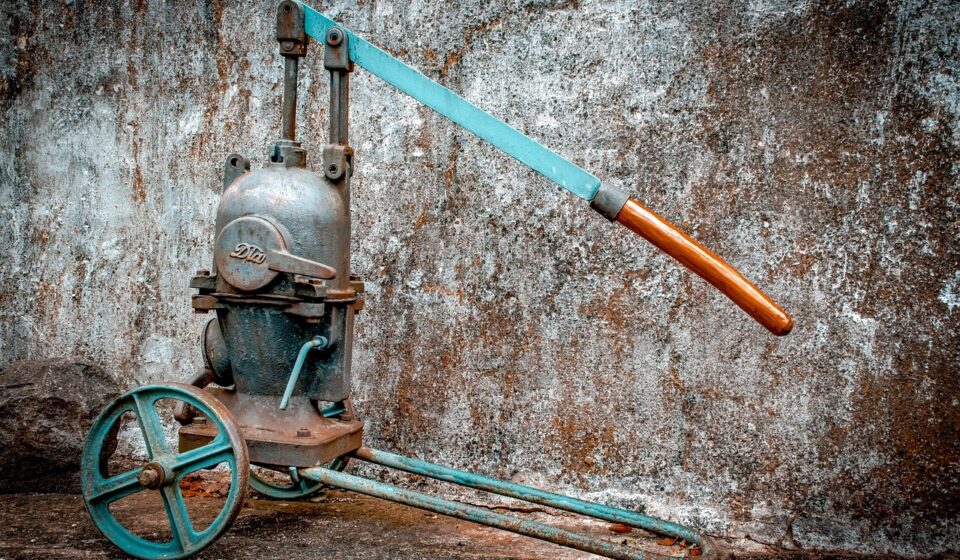
A Day Without Water: When Your Well Pump Fails
This guide covers everything about fix a well pump. Imagine waking up on a Tuesday morning in June 2026, ready to start your day, only to find the taps are completely dry. No water for coffee, no water for showering, and a growing sense of unease. For homeowners relying on a private well, a silent well pump can quickly turn a normal day into a crisis. While the thought of fixing a well pump might seem daunting, understanding the common issues and the steps to address them can save you significant time and money. This guide is designed to empower you with the knowledge to diagnose and, in many cases, fix your well pump yourself.
Last updated: June 5, 2026
Key Takeaways
- Many well pump failures are due to simple issues like power supply problems or a tripped circuit breaker.
- A faulty pressure switch is a common culprit for pumps that won’t turn on or won’t turn off.
- Submersible pumps often fail due to motor issues or leaks, while jet pumps can face issues with priming or intake lines.
- Always prioritize safety by turning off power before attempting any repairs.
- While DIY repairs can save money, complex electrical issues or deep well problems may require a professional.
Understanding Your Well Water System
Before diving into repairs, it’s helpful to have a basic understanding of how your well water system operates. At its core, a well pump is responsible for drawing water from an underground source (your well) and delivering it to your home’s plumbing system. The system typically includes the well itself, the pump (either submersible or jet), a pressure tank, and a pressure switch.
The pump pushes water into the pressure tank, which stores a reserve of water and maintains consistent pressure. The pressure switch monitors this pressure, telling the pump when to turn on (when pressure drops below a set point) and when to turn off (when pressure reaches its upper limit). This delicate balance ensures you have water on demand without the pump running constantly.

Signs Your Well Pump Might Be Failing
Recognizing the early symptoms of a failing well pump is crucial. Catching issues early can prevent more extensive damage and costly repairs. Keep an eye out for:
- No water or reduced water pressure: This is the most obvious sign, indicating the pump isn’t delivering water or is struggling to do so.
- Sputtering or intermittent water flow: This could mean the pump is losing prime, there’s an air leak, or it’s cycling on and off rapidly.
- The pump runs constantly, but no water comes out: This often points to a loss of prime, a broken pump, or a significant leak in the system.
- The pump cycles on and off frequently (short cycling): This can be caused by issues with the pressure tank, a faulty pressure switch, or leaks in the plumbing.
- Unusual noises: Grinding, humming, or banging sounds can indicate motor problems, debris in the pump, or mechanical failures.
- Cloudy or discolored water: While sometimes related to water quality, it can also signal sediment being stirred up by a struggling pump or issues with well integrity.
According to the Water Systems Council, while most well systems are designed to last decades with proper maintenance, component failures are not uncommon. Understanding these signs helps you pinpoint the problem before it escalates.
Safety Precautions Before You Fix a Well Pump
Working with well pumps involves water and electricity, a potentially dangerous combination. Before attempting any troubleshooting or repair, safety must be your absolute top priority. Failure to follow safety protocols can lead to severe electrical shock, injury, or even death.
The first and most critical step is to turn off the power to the well pump. Locate the circuit breaker that controls the pump in your main electrical panel or any sub-panel dedicated to the well system. Flip the breaker to the OFF position. For added safety, you can also disconnect power at the pump controller if one is present. Never assume the power is off; always verify by trying to activate the pump (if possible without water) or using a voltage tester.
Additionally, be aware of the water pressure in your system. Releasing pressure from the tank can prevent water discharge during repairs. Ensure you have the necessary tools and protective gear, such as insulated gloves and safety glasses.

Troubleshooting Power Supply and Electrical Connections
Often, a well pump simply stops working because it’s not receiving power. This is usually the easiest problem to fix, so it’s the logical place to start your diagnosis.
Check the Circuit Breaker: The most common reason for a pump not running is a tripped circuit breaker. Head to your electrical panel and look for a breaker labeled “Well Pump,” “Pump,” or similar. If it’s in the OFF position or in a middle tripped position, flip it fully OFF and then back ON. If it trips again immediately, there’s likely an electrical fault that needs professional attention.
Inspect the Pressure Switch: The pressure switch, usually located near the pressure tank, is a small metal box with a lever. When the water pressure drops, this lever activates contacts to turn the pump on. If the switch contacts are burned, corroded, or stuck, the pump won’t get the signal to run. You can often clean the contacts gently with a wire brush or fine sandpaper, but be extremely careful as you are dealing with electrical components. If the switch itself seems damaged or if cleaning doesn’t help, it may need replacement. According to Family Handyman, replacing a pressure switch is a relatively straightforward DIY task that can cost as little as $25 for the part.
Examine Electrical Connections: Check all accessible electrical connections for the pump, controller, and pressure switch. Ensure wires are securely fastened and free from corrosion or damage. Loose or corroded wires can interrupt the flow of electricity. If you see any signs of overheating or melted insulation, these connections need immediate attention from a qualified electrician.
Pressure Tank and Switch Issues
The pressure tank and switch work in tandem to regulate water pressure. Problems with either component can lead to various issues, including the pump running constantly or failing to start.
Faulty Pressure Switch: As mentioned, a malfunctioning pressure switch is a frequent cause of well pump problems. If the pump runs continuously without shutting off, the high-pressure setting on the switch might be too high, or the switch itself is stuck in the ON position. If the pump doesn’t turn on even when you know the pressure is low, the low-pressure setting might be too high, or the switch is stuck in the OFF position. You can test the pressure switch by using a multimeter to check for continuity when the lever is engaged. For most homeowners, replacing this $25-$75 part is a viable DIY fix, but professional diagnosis is recommended if you’re unsure.
Pressure Tank Problems: The pressure tank contains a bladder and air charge that maintains water pressure. Over time, the air charge can deplete, or the bladder can fail. A common test for the air charge is to shut off power to the pump, open a faucet to relieve pressure, and then tap the tank. It should sound hollow at the top and solid at the bottom. If it sounds solid throughout, the air charge is likely gone and needs to be recharged with an air compressor. If the tank is waterlogged or the bladder is ruptured, it typically needs replacement, which can cost between $300 and $800, according to industry estimates.

Submersible Pump Specific Issues and Repairs
Submersible pumps are located down inside the well casing. Because they are submerged, troubleshooting can be more involved than with above-ground jet pumps.
Motor Failure: The pump motor can fail due to overheating, electrical issues, or wear and tear. If the motor hums but doesn’t pump water, or if it’s completely dead, it might need replacement. Replacing a submersible pump typically involves pulling the entire pump assembly out of the well, which can be a difficult and dirty job. This is often where professional help becomes essential. The cost of replacing a submersible pump itself can range from $300 to $1,500, depending on the pump’s horsepower and depth rating, not including installation labor which can add another $500-$1,500.
Seal or O-Ring Leaks: Leaks in the pump’s seals or O-rings can allow water into the motor housing, causing damage. If you notice water around the wellhead or suspect a leak within the pump assembly, it’s a sign of a serious internal problem. Repairing these specific components often requires disassembling the pump, which is usually best left to professionals.
Pump Losing Prime: A submersible pump shouldn’t technically “lose prime” in the same way a jet pump does, as it’s always submerged. However, if you experience a loss of water flow, it could indicate a blockage in the pump intake, a fractured pipe below the pump, or a failure of the pump itself. Verifying the water level in the well is also important; if the water level has dropped below the pump intake, it will stop drawing water.
Jet Pump Specific Issues and Repairs
Jet pumps are typically located in a well house or basement and use a suction system to draw water. They are often easier to access for repairs than submersible pumps.
Loss of Prime: This is the most common issue with jet pumps. If the pump runs but no water comes out, it has likely lost its prime. This can happen due to air leaks in the suction line, a faulty foot valve (which prevents water from flowing back down the pipe when the pump is off), or a drop in the well’s water level. To re-prime a jet pump, you’ll need to locate the priming port on the pump, fill the pump casing and suction line with water, and then start the pump while keeping the discharge valve partially closed to build pressure. According to the EPA, ensuring your well has adequate water levels is a key part of maintaining your system.
Clogged Impeller: The impeller is a rotating component within the pump that moves water. Debris from the well can get into the pump and clog the impeller, reducing flow or stopping it altogether. If you suspect a clogged impeller, you may need to disassemble the pump head to clean it out. This can be a messy job, and caution is advised when dealing with internal pump components.
Suction Line Leaks: Any crack or loose connection in the suction line can allow air to enter the system, causing the pump to lose prime or operate inefficiently. Regularly inspect the entire length of the suction pipe for visible damage or loose fittings.

Other Common Well Pump Problems
Beyond electrical and pump-specific issues, other problems can affect your well water system.
Leaking Pipes: A leak in any part of your plumbing system, from the wellhead to your taps, can cause pressure drops and trigger the pump to cycle more frequently. Check all accessible pipes and fittings for drips or moisture. Even a small leak can lead to significant water loss and increased energy consumption.
Well Casing Damage: The well casing is the structural lining of your well. Damage to the casing can allow groundwater contaminants to enter your water supply or cause the well to collapse. Signs of casing damage can include sediment in the water, changes in water quality, or structural issues around the wellhead. These are serious problems that almost always require professional assessment and repair.
Sediment Buildup: Over time, sediment can accumulate in the well or pump, reducing efficiency and potentially causing damage. If you notice increased sediment in your water, it might be time for well flushing or cleaning. Some submersible pumps have screens that can become clogged, requiring cleaning.
Repair vs. Replacement: Making the Decision
One of the most critical decisions a homeowner faces is whether to repair a faulty well pump or replace it entirely. As of June 2026, the average cost to repair a well pump can range from $300 to $1,200, depending on the issue. This might include replacing a pressure switch, motor, or fixing a leak.
In contrast, replacing a well pump can cost anywhere from $1,500 to $4,000 or more, with submersible pumps often being more expensive to replace than jet pumps. According to Water Well Owners, a general rule of thumb is that if the repair cost exceeds 50% of the replacement cost, or if the pump is more than 10–15 years old and has already had multiple repairs, replacement is usually the more cost-effective long-term solution.
Factors to consider include the age of the pump, the nature of the problem, and the availability of parts. A pump that’s frequently breaking down or has a major internal failure might be a candidate for replacement to avoid ongoing repair costs and potential future failures.
DIY vs. Professional Help: When to Call in the Experts
Many common well pump issues, such as a tripped breaker, a faulty pressure switch, or re-priming a jet pump, can be tackled by a determined DIYer with basic tools and a good understanding of electrical safety. These repairs can save you hundreds of dollars in labor costs.
However, there are situations where calling a professional is not just advisable but essential. If you’re uncomfortable working with electricity, suspect a problem deep within the well (like a failing submersible pump), notice significant damage to the well casing, or if the pump requires specialized tools for removal or repair, it’s time to call a licensed well contractor. According to the Environmental Protection Agency (EPA), improper well maintenance or repair can contaminate your water supply, making professional service a safer bet for complex issues.
A qualified professional has the expertise, tools, and experience to diagnose complex problems accurately and safely, ensuring your water system is restored efficiently and reliably. For instance, diagnosing intermittent electrical faults or assessing the condition of a submersible pump deep in the well requires specialized knowledge and equipment.
Preventive Maintenance for Your Well Pump
The best way to avoid the stress and expense of a well pump breakdown is through regular preventive maintenance. This proactive approach can significantly extend the life of your system.
Annual Inspections: Have a qualified well professional inspect your system annually. They can check the pump’s performance, test water quality, inspect the well casing, and verify the pressure tank and switch are functioning correctly. This is a crucial step to catch minor issues before they become major problems.
Check Water Quality: Regularly test your water for contaminants. While not directly a pump issue, changes in water quality can sometimes indicate underlying problems with the well itself that could affect the pump.
Inspect Visible Components: Periodically check the wellhead and any visible plumbing for leaks, corrosion, or damage. Ensure the area around the wellhead is clear of debris and potential sources of contamination.
Manage Water Usage: Avoid excessively drawing large amounts of water very quickly, as this can put a strain on the pump and pressure system. Understand your system’s capacity.
Electrical System Check: Ensure your well’s electrical connections are clean, dry, and secure. A surge protector specifically designed for well pumps can also help protect the motor from power fluctuations.
Frequently Asked Questions
Why did my well pump suddenly stop working?
Sudden well pump failure can be due to electrical issues like a tripped breaker or blown fuse, a malfunction in the pressure switch, or an internal pump motor problem. It could also be a loss of prime for jet pumps or a dropped water level in the well.
How much does it cost to fix a well pump?
The cost to fix a well pump varies greatly by issue. Minor repairs like replacing a pressure switch might cost $100-$300, while motor repairs or pump replacement can range from $500 to $4,000 or more, including labor. As of June 2026, simple repairs are generally much cheaper than full replacement.
How do I know if my well pump needs replacing or just repairing?
If the repair cost is more than 50% of the replacement cost, the pump is over 10–15 years old, or it has a history of frequent breakdowns, replacement is often more economical than repeated repairs.
Can I reset my well pump?
Yes, you can often “reset” a well pump by checking and resetting its circuit breaker. Some pumps also have a thermal overload switch that might need to be reset manually if the motor overheated. Always ensure power is off before touching electrical components.
What is a common problem with submersible well pumps?
Common issues for submersible pumps include motor failure due to overheating or electrical problems, leaks from damaged seals or O-rings, and problems with the drop pipe or wiring. They are also susceptible to damage from sediment or if the well water level drops too low.
How long does a well pump typically last?
With proper maintenance, a well pump can last between 10 to 20 years. However, factors like water quality, usage patterns, and the initial quality of the pump can significantly influence its lifespan.
Conclusion: Restoring Your Water Flow
A malfunctioning well pump can be a major inconvenience, but many common issues are addressable. By understanding your system, recognizing the warning signs, prioritizing safety, and knowing when to call in the professionals, you can effectively manage and fix a well pump. Regular maintenance is your best defense against unexpected breakdowns, ensuring a reliable water supply for your home well into the future.
Last reviewed: June 2026. Information current as of publication; pricing and product details may change.
Source: Britannica
Related Articles
- Carpentry Services in 2026: Your Guide to Quality Craftsmanship
- How Remote Work Is Changing the Tech Industry
- Spiral Staircase Designs: Space-Saving Solutions for 2026
Editorial Note: This article was researched and written by the Day Spring Management editorial team. We fact-check our content and update it regularly. For questions or corrections, contact us. Knowing how to address fix a well pump early makes the rest of your plan easier to keep on track.
Related read: Bedroom Spider Bites in 2026: What You Need to Know.


