
Fire Damage Restoration: A complete guide for 2026
A fire can strike any property, leaving behind devastation and a pressing need for expert intervention. If you’ve experienced a fire, the immediate aftermath is overwhelming, and the path to recovery can seem daunting. This guide, updated as of May 2026, offers a complete look at fire damage restoration, detailing what it entails, why it’s crucial, and how professionals can help bring your property back to its pre-fire condition.
Key Takeaways
- Immediate action is crucial for effective fire damage restoration.
- Restoration involves multiple steps: assessment, cleanup, deodorization, structural repair, and reconstruction.
- Smoke and soot damage can spread rapidly and require specialized removal techniques.
- Water used to fight fires can cause secondary damage that also needs addressing.
- Professional fire damage restoration services offer expertise, equipment, and efficiency.
- Costs vary widely based on damage extent, property size, and location.
Understanding Fire and Smoke Damage
Fires inflict damage through several mechanisms beyond the immediate flames. Heat, smoke, and the water used to extinguish the blaze all contribute to the destruction. Understanding these elements is the first step in effective fire damage restoration.
The heat from a fire can warp structural components, melt plastics, and compromise electrical systems. Smoke and soot, however, are insidious. They spread through ventilation systems, cracks, and crevices, coating surfaces with fine, corrosive particles. This residue can cause etching, discoloration, and permanent damage if not cleaned promptly. According to the National Fire Protection Association (NFPA) 2026 report, smoke damage is often more widespread and harder to remediate than the actual fire damage itself, affecting areas far from the fire’s origin.
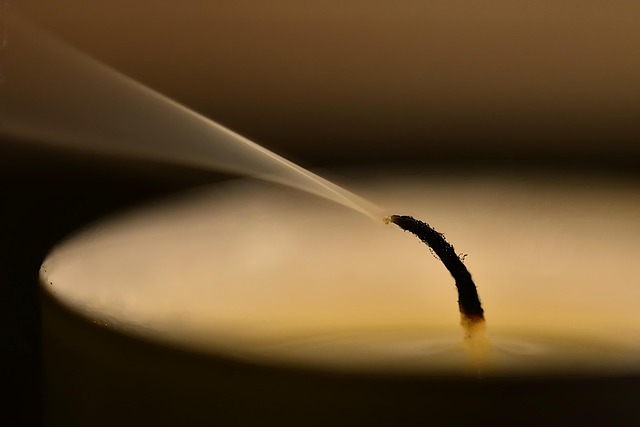
The corrosive nature of smoke residue means that even a thin layer can degrade materials like metal, stone, and fabric over time. This necessitates specialized cleaning agents and techniques to neutralize the acidity and prevent long-term deterioration.
Immediate Steps After a Fire
When disaster strikes, your immediate actions can significantly influence the effectiveness and cost of fire damage restoration. Safety is paramount; never re-enter a damaged structure without clearance from fire officials.
Once it’s safe, document everything. Take detailed photographs and videos of the damage from multiple angles. This documentation is vital for insurance claims and for providing restoration professionals with a clear understanding of the situation. If possible, secure the property to prevent further damage from weather or unauthorized entry. This might involve boarding up broken windows or covering damaged roofs with tarps.
Contact your insurance provider as soon as possible to initiate the claims process. Understand your policy’s coverage for fire damage, smoke damage, and any temporary living expenses you might incur if your home is uninhabitable. Many insurance policies require immediate notification to avoid claim denial.
The Fire Damage Restoration Process Explained
Professional fire damage restoration is a multi-phase process designed to meticulously return your property to a safe and habitable condition. It requires specialized knowledge, equipment, and adherence to strict safety protocols. The entire procedure can take anywhere from a few days for minor incidents to several months for severe structural damage.
- Emergency Response and Assessment: The first crucial step is a thorough assessment by trained restoration technicians. They evaluate the extent of fire, smoke, and water damage, identify hazards, and develop a complete restoration plan. This initial assessment is critical for estimating costs and timelines.
- Board-Up and Security: To prevent further damage from the elements or vandalism, professionals will secure the property by boarding up windows and doors and covering damaged roof sections.
- Water Extraction and Drying: If water was used to combat the fire, significant water damage may have occurred. Technicians will extract standing water and begin the drying process using industrial-grade dehumidifiers and air movers to prevent mold growth and structural compromise.
- Soot and Smoke Removal: This is a labor-intensive phase involving specialized cleaning agents and equipment to remove soot and smoke residue from all affected surfaces, including walls, ceilings, furniture, and personal belongings.
- Deodorization: Smoke odors can permeate materials and linger long after visible soot is removed. Professionals employ techniques like ozone treatments, thermal fogging, and air filtration to neutralize these persistent odors.
- Cleaning and Sanitization: All salvageable contents and structural elements are thoroughly cleaned, disinfected, and sanitized. Items that can’t be salvaged are professionally disposed of.
- Structural Repairs: Damaged structural components, such as charred beams, compromised drywall, or melted wiring, are repaired or replaced.
- Reconstruction: The final phase involves rebuilding damaged sections of the property to restore it to its pre-fire condition, including painting, flooring, and installing new fixtures.
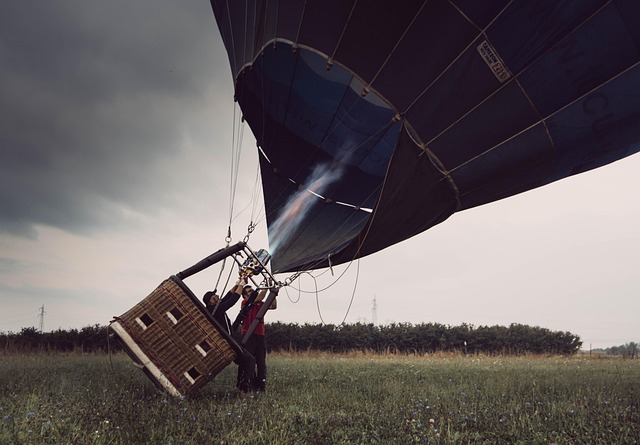
Tackling Smoke and Soot: The Persistent Challenge
Smoke and soot are perhaps the most challenging aspects of fire damage restoration due to their pervasive nature and corrosive properties. Soot particles are incredibly fine, often microscopic, allowing them to penetrate fabrics, upholstery, and even porous building materials.
There are different types of soot: wet soot, which is sticky and tar-like, and dry soot, which is powdery and fine. Each requires a different cleaning approach. Wet soot is typically easier to clean as it hasn’t deeply penetrated materials. Dry soot, however, is often more challenging, requiring specialized vacuum systems with HEPA filters and chemical cleaning solutions to lift it without spreading it further.
Professional restoration companies use advanced techniques, such as ultrasonic cleaning for delicate items and dry-ice blasting for sensitive surfaces, which are far more effective and less damaging than standard household cleaning methods. According to industry professionals, attempting to clean heavy soot buildup with regular household cleaners can sometimes set the stain or damage the material permanently.
Addressing Water Damage from Firefighting Efforts
While the flames are the most obvious threat, the water used by firefighters to extinguish a blaze can cause significant secondary damage. This water can saturate carpets, upholstery, drywall, and insulation, leading to potential structural weakening and mold growth if not properly managed.
Restoration professionals begin by extracting any standing water using powerful pumps and vacuum systems. Following water extraction, industrial-grade dehumidifiers and air movers are employed to rapidly dry out the affected areas. This process is critical for preventing secondary issues like mold and mildew, which can compromise indoor air quality and further damage materials.
The drying process can take several days, depending on the extent of water saturation and ambient humidity levels. Monitoring moisture content with specialized meters ensures that all materials are dried to acceptable levels before reconstruction begins. This attention to detail is what differentiates professional water damage mitigation from DIY attempts.
Structural Repairs and Reconstruction
Once the cleaning, deodorizing, and drying phases are complete, the focus shifts to repairing and rebuilding. This is where your property truly begins to regain its form and functionality.
Structural repairs might involve replacing charred or weakened wooden beams, reinforcing compromised walls, or repairing electrical and plumbing systems damaged by heat or water. In severe cases, entire sections of the building may need to be rebuilt. This phase requires skilled contractors who understand building codes and safety standards.
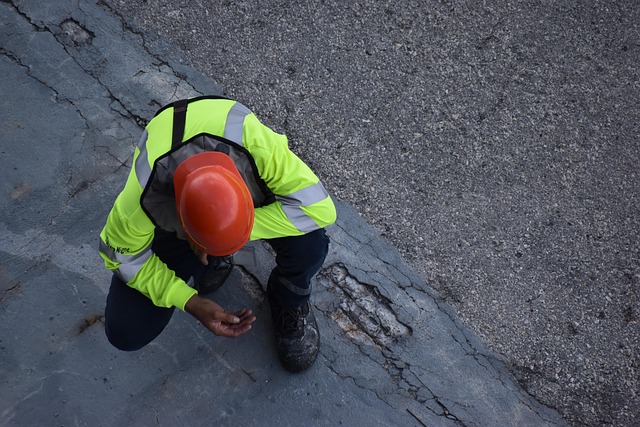
Reconstruction can include everything from installing new drywall and insulation to re-painting walls, replacing flooring, and fitting new cabinetry and fixtures. The goal is to not only repair the damage but also to improve the property’s resilience against future incidents, where possible.
Choosing the Right Fire Damage Restoration Company
Selecting the right fire damage restoration company is a critical decision that impacts the entire recovery process. Look for companies with experience, proper certifications, and a proven track record.
Key factors to consider include IICRC (Institute of Inspection, Cleaning and Restoration Certification) certification, which signifies that technicians have undergone rigorous training and adhere to industry standards. As of May 2026, more than 60% of restoration firms are IICRC certified, indicating a strong industry commitment to quality. Also, check for reviews and testimonials from previous clients. A reputable company will be transparent about its process, provide detailed estimates, and maintain clear communication throughout the restoration project.
When interviewing potential companies, ask about their emergency response capabilities, the types of equipment they use, and their experience with similar projects. A good company will offer a detailed plan, explain the insurance claims process, and provide a clear timeline for completion. It’s also advisable to get multiple quotes, but remember that the lowest bid isn’t always the best value; quality of service and expertise are paramount in fire damage restoration.
Cost Considerations for Fire Damage Restoration
The cost of fire damage restoration can vary significantly, ranging from a few thousand dollars for minor smoke damage to tens or even hundreds of thousands for extensive structural rebuilding. Several factors influence the overall expense.
The extent of the fire and smoke damage is the primary cost driver. Larger properties and more severe damage naturally require more time, labor, and materials. The type of materials affected also plays a role; restoring delicate antiques or specialized finishes can be more costly than standard construction materials. Additionally, the presence of secondary water damage from firefighting efforts adds to the expense.
According to industry estimates from leading restoration firms as of 2026, minor smoke damage cleanup might cost between $1,500 and $5,000. For more significant fire and smoke damage requiring professional cleaning, deodorizing, and partial structural repair, costs can range from $5,000 to $25,000 or more. Complete rebuilding after a major fire can easily exceed $50,000 and go upwards of $200,000 or more for large homes or commercial properties.
Your insurance policy is designed to cover these costs, minus your deductible. Working closely with your insurance adjuster and the restoration company can help ensure that all covered damages are accounted for and that the repair process stays within budget and policy limits.
Preventative Measures and Preparedness
While not all fires are preventable, taking proactive steps can significantly reduce the risk and mitigate the impact should one occur. Preparedness is key to faster and more effective recovery.
Install and maintain smoke detectors and carbon monoxide detectors on every level of your home and inside sleeping areas. Test them monthly and replace batteries at least once a year. Consider installing a fire sprinkler system, which can dramatically limit fire and smoke damage. Keep flammable materials stored safely away from heat sources, and ensure electrical wiring is up to code and not overloaded.
Beyond physical measures, having a fire escape plan is essential. Practice it with your family regularly so everyone knows what to do in an emergency. Additionally, creating a home inventory of your possessions (photos, videos, receipts) can be invaluable for insurance purposes. For businesses, having a disaster recovery plan that includes communication protocols and restoration vendor relationships is critical for minimizing downtime.
Frequently Asked Questions
What is the first step in fire damage restoration?
The very first step is ensuring safety. Don’t re-enter the property until cleared by fire officials. Once safe, document the damage with photos and contact your insurance provider and a professional restoration company.
How long does fire damage restoration typically take?
The timeline varies greatly. Minor smoke and soot cleanup might take a few days, while significant structural damage and reconstruction can extend to several weeks or months, depending on the severity and complexity of the repairs needed.
Can smoke odors be completely removed from a home?
Yes, professional restoration companies use advanced deodorization techniques like ozone treatments and thermal fogging to neutralize smoke odors. Complete removal is achievable with the right methods and persistence.
Is fire damage restoration covered by insurance?
Generally, yes. Most homeowner and business insurance policies cover fire damage restoration. It’s essential to review your specific policy details and work with your insurance adjuster.
What is the difference between fire damage and smoke damage?
Fire damage refers to the destruction caused by flames, while smoke damage includes the corrosive soot, residue, and pervasive odors that spread throughout the property, often affecting areas not directly touched by fire.
Can I clean smoke and soot myself?
For very minor, surface-level soot, some DIY cleaning might be possible with specific products. However, significant smoke and soot damage require professional expertise and equipment for effective and safe removal to prevent long-term issues.
Information current as of May 2026; pricing and product details may change.
Editorial Note: This article was researched and written by the Day Spring Management editorial team. We fact-check our content and update it regularly. For questions or corrections, contact us.
Related read: Air Cooler Repair Services: Your 2026 Guide to Staying Cool.