

The Essential Guide to Water Filtration Installation in 2026
Ensuring your home has access to pristine water is more critical than ever in 2026. Water filtration installation provides a strong solution, removing impurities and enhancing taste. This complete guide will walk you through every facet of setting up a water filtration system, from initial planning to ongoing maintenance, empowering you with the knowledge to make informed decisions for healthier living.
Last updated: May 19, 2026
- Water filtration installation in 2026 is a vital step for improving home water quality and health.
- Systems range from simple faucet filters to complex whole-house setups, each with unique installation needs.
- DIY installation is possible for some systems, but professional help ensures optimal performance and avoids potential plumbing issues.
- Costs vary significantly based on system type, complexity, and whether professional installation is chosen.
- Regular maintenance is crucial for the long-term effectiveness and longevity of any water filtration system.
Why Water Filtration Installation Matters in 2026
As of May 2026, concerns about water quality continue to grow. Emerging contaminants, aging infrastructure, and regional water source variations mean that tap water, even in areas with municipal treatment, can still contain dissolved solids, heavy metals, pesticides, and microplastics. A properly installed water filtration system acts as a crucial barrier, safeguarding your family’s health and improving the sensory experience of your water.
The U.S. Environmental Protection Agency (EPA) continues to monitor and regulate contaminants, but the sheer volume and variety of potential pollutants present ongoing challenges. For instance, the presence of lead from old plumbing, or PFAS (“forever chemicals”) from industrial runoff, can pose significant health risks. Investing in water filtration installation is a proactive measure that provides peace of mind.
Understanding Your Water Filtration System Options
The journey to cleaner water begins with selecting the right filtration system. The market offers a diverse range, each suited to different needs, budgets, and installation complexities. Understanding these options is the first step toward a successful installation.
Faucet Filters
These are the most basic systems, attaching directly to your kitchen faucet. They are easy to install, often requiring no tools. While convenient for drinking and cooking water, they don’t address water quality for the entire house.
Pitcher Filters
Similar to faucet filters in their simplicity, pitcher filters use gravity to pass water through a carbon-based filter. They are portable and require no installation, but offer limited capacity and slower filtration rates.
Refrigerator Filters
Many modern refrigerators come equipped with built-in water dispensers and ice makers that use internal filters. Installation typically involves simply screwing the filter into its designated housing, a process that takes minutes.
Under-Sink Filters
These systems are installed beneath your kitchen sink, offering a more strong filtration solution without cluttering your countertop. They often feature multiple stages of filtration, including sediment, carbon, and sometimes reverse osmosis (RO) membranes, significantly improving water taste and purity.
Countertop Filters
These units sit on your counter and connect to your existing faucet. They offer better filtration than pitchers but still require a connection to your faucet for water supply.
Whole-House Water Filtration Systems
For complete protection, whole-house systems treat all the water entering your home. These are typically installed at the main water line where it enters the house. They can address issues like sediment, chlorine, hard water minerals, and even specific chemical contaminants, providing purified water to every tap, shower, and appliance.
Planning Your Water Filtration Installation
Before any tools are picked up, meticulous planning is essential for a smooth and effective water filtration installation. This phase involves assessing your water quality, understanding your household’s water usage, and determining the best system and location.
Water Quality Testing
The most crucial first step is understanding what you’re trying to filter out. Municipal water reports offer a general overview, but for a truly tailored solution, consider a home water testing kit or professional lab analysis. This will identify specific contaminants like hard minerals (calcium, magnesium), chlorine, lead, iron, or bacteria.
According to the Water Quality Association (WQA) as of 2026, understanding your specific water profile is paramount for selecting the most effective filtration technology.
Assessing Water Usage
Consider how much water your household consumes daily. A single person might be fine with an under-sink RO system, while a large family might benefit more from a whole-house system to ensure consistent supply and pressure. High water usage may also influence the choice of filter media and replacement frequency.
Choosing the Right System Type
Based on water test results and usage patterns, you can narrow down your system choices. For example, if high chlorine levels are the primary concern, a simple activated carbon filter might suffice. If hard water is causing scale buildup, a water softener or a system with ion exchange capabilities is needed. For complete purification, a multi-stage under-sink or whole-house RO system is often the best approach.
Selecting the Installation Location
For under-sink systems, ensure adequate space beneath the sink for the filter unit, storage tank (if applicable), and necessary plumbing connections. Whole-house systems require access to the main water line, typically in a basement, crawl space, or utility closet. Ensure the location is protected from freezing temperatures and has a nearby power source if the system requires it.
Gathering Tools and Materials
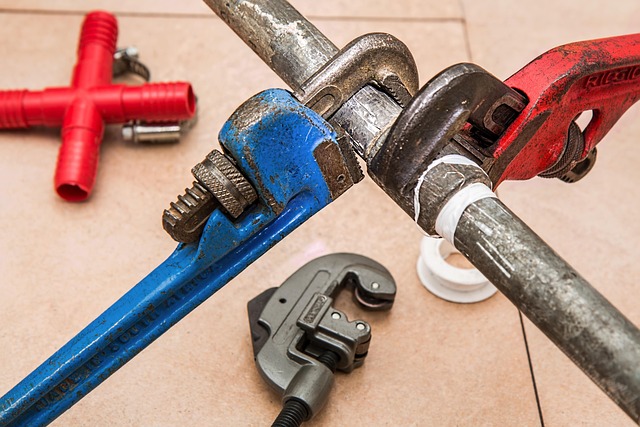
Depending on the system, you might need basic plumbing tools such as pipe wrenches, adjustable wrenches, Teflon tape, a drill with various bits, a hacksaw or pipe cutter, a bucket, towels, and potentially a soldering torch and flux if connecting to copper pipes. For RO systems, a saddle valve or angle stop valve might be needed to tap into the cold water line.
DIY Water Filtration Installation vs. Professional Help
The decision between a DIY installation and hiring a professional hinges on your comfort level with plumbing, the complexity of the system, and your local building codes. As of May 2026, many homeowners are opting for DIY solutions for simpler systems, but professional installation remains a strong recommendation for many.
When to consider DIY Installation
Faucet filters, pitcher filters, refrigerator filters, and even some basic under-sink systems can often be installed by homeowners with minimal plumbing experience. These typically involve straightforward connections that don’t require cutting into main water lines or extensive pipe modifications. The primary benefits are cost savings and the satisfaction of completing the project yourself.
When to Hire a Professional
For whole-house water filtration systems, complex multi-stage under-sink RO systems, or if you’re unsure about any aspect of the installation, professional help is highly recommended. A qualified plumber or water treatment specialist has the expertise, tools, and knowledge of local codes to ensure the system is installed correctly, safely, and efficiently. Incorrect installation can lead to leaks, water damage, reduced system performance, and voided warranties.
A professional installation also offers peace of mind, ensuring the system’s longevity and the quality of your water. Some manufacturers may even require professional installation for the warranty to be valid.
Installing an Under-Sink Water Filter: A Step-by-Step Overview
Installing an under-sink water filter is a common DIY project, but it requires careful attention to detail. Here’s a general outline of the process, which may vary slightly depending on the specific model.
- Shut Off Water Supply: Locate the cold water shut-off valve under your sink (usually a lever or knob on the pipe leading to the faucet). Turn it off completely.
- Relieve Water Pressure: Turn on your faucet to drain any remaining water in the line and relieve pressure.
- Install the Filter Bracket: Follow the manufacturer’s instructions to mount the filter bracket securely inside the cabinet.
- Install the Faucet (if applicable): If your system includes a dedicated filtered water faucet, you’ll need to drill a hole in your sink or countertop and mount it according to the instructions.
- Connect the Water Lines: This is the most critical step. You’ll typically need to install a T-adapter or saddle valve onto the cold water line. Connect the feed line from the valve to the filter’s inlet port. Connect the filtered water outlet line to the dedicated faucet or back to the main faucet supply line. Use Teflon tape on all threaded connections to prevent leaks.
- Install Filter Cartridges: Insert the filter cartridges into their designated housings, ensuring they are properly seated.
- Connect the Storage Tank (for RO systems): Attach the storage tank and connect its line to the filter system.
- Turn Water Back On and Check for Leaks: Slowly turn the cold water shut-off valve back on. Carefully inspect all connections for any drips or leaks. Tighten as needed.
- Flush the System: Most systems require flushing to remove air and carbon fines. Follow the manufacturer’s instructions, which typically involves running water through the system for several minutes.
Installing a Whole-House Water Filtration System
Whole-house systems are more complex and typically require professional installation due to their connection to the main water line. However, understanding the process can help you communicate effectively with your installer.
- Locate Main Water Line: Identify where the main water supply enters your home.
- Shut Off and Drain: Turn off the main water supply to the entire house and drain the lines by opening the lowest faucet.
- Cut and Prepare Pipe: Cut out a section of the main water line where the filter will be installed. Prepare the ends for connection (e.g., deburring, cleaning).
- Install Bypass Valve (Recommended): Install a bypass valve assembly, allowing you to divert water around the filter if it needs servicing without shutting off water to the entire house.
- Connect Filter Housing: Connect the filter housing to the main line using appropriate fittings (e.g., PEX, copper, PVC). Ensure proper support for the filter unit.
- Install Filter Cartridge: Insert the main filter cartridge(s) into the housing.
- Turn Water On and Test: Slowly turn the main water supply back on. Open a faucet to bleed out air and check all connections meticulously for leaks.
- Test Water Quality: After flushing the system, test the water to ensure the filter is performing as expected.
According to the U.S. Department of Energy’s guidance on water-efficient technologies as of May 2026, proper installation is key to maximizing the efficiency and lifespan of such systems.
Water Filtration Installation Costs in 2026
The cost of water filtration installation varies widely, influenced by the type of system, brand, installation complexity, and labor rates. As of May 2026, homeowners can expect a range of expenses.
System Purchase Price
Basic faucet filters might cost $20-$75. Under-sink systems can range from $100 for a simple carbon filter to $500-$1,500 or more for multi-stage RO systems with advanced features. Whole-house systems are the most significant investment, typically ranging from $500 to $3,000+ for the unit itself, depending on the filtration technology and capacity.
Installation Costs
For DIY installations of simpler systems, the cost is primarily the system purchase price. For professional installation:
- Under-sink systems: Expect to pay $150-$500 for professional installation, depending on complexity and local labor rates.
- Whole-house systems: Professional installation can range from $300 to $1,000+, often requiring significant plumbing modifications.
IndexBox reported in May 2026 that the market for all-in-one under-sink water purifiers is growing, driven by health awareness and smart home integration, suggesting a stable to increasing price point for these units.
Ongoing Costs
Don’t forget the cost of replacement filters, membranes, and any necessary maintenance. These can range from $50-$200 annually for under-sink systems, and $100-$500+ for whole-house systems, depending on the filters used and replacement frequency.
Maintaining Your Water Filtration System
Proper maintenance is crucial for ensuring your water filtration system continues to deliver clean water effectively and safely. Neglecting maintenance can lead to reduced performance, bypassed contaminants, and even bacterial growth within the system.
Filter Replacement Schedule
Adhere strictly to the manufacturer’s recommended replacement schedule for all filter cartridges and membranes. This is typically based on gallons filtered or a time period (e.g., 6 months for carbon filters, 1-2 years for RO membranes). Mark your calendar or set reminders.
Sanitization
Periodically, especially after filter changes or if the system has been unused for an extended period, sanitizing the system is recommended. Follow manufacturer guidelines, which often involve using a bleach solution followed by thorough flushing.
Troubleshooting Common Issues
- Low Water Pressure: Check if shut-off valves are fully open, inspect for kinks in tubing, or if filters are clogged and need replacement.
- Leaking Connections: Ensure all fittings are tight and Teflon tape was used correctly. If a leak persists, the fitting or O-ring might be damaged.
- Unpleasant Taste/Odor: This usually indicates the filter media is exhausted and needs replacement.
- Slow Filtration Rate: This can be due to clogged filters, low incoming water pressure, or issues with the storage tank in RO systems.
If problems persist, consult the system manual or contact a qualified technician. As seen in reports from communities like Kalamazoo County in May 2026 facing water quality issues, diligent maintenance and timely repairs are essential.
Expert Tips for Optimal Water Filtration Installation
Maximizing the effectiveness and longevity of your water filtration system starts with smart installation practices. Here are some tips from seasoned professionals:
- Prioritize a Water Test: Never skip the water quality test. It’s the foundation for choosing the right system and avoiding wasted money on ineffective solutions.
- Read the Manual Thoroughly: Before starting, read your system’s installation manual cover-to-cover. Manufacturers provide specific instructions critical for your model.
- Use High-Quality Materials: For plumbing connections, use NSF-certified tubing and fittings. Cheap materials can leach chemicals or fail prematurely.
- Avoid Kinking Tubing: Ensure all flexible tubing has gentle curves and avoid tight bends or kinks, which restrict water flow and can cause stress on the tubing.
- Install a Pressure Regulator: If your home’s water pressure is consistently high (over 80 PSI), install a pressure regulator before the filter system to prevent damage.
- Consider a Bypass Valve: For whole-house systems, a bypass valve is invaluable for maintenance. For under-sink systems, consider installing one if space allows.
- Check Local Codes: Some areas have specific plumbing codes that may affect how certain systems, especially whole-house units, must be installed.
- Don’t Over-Tighten Connections: While connections should be snug, over-tightening can strip threads or crack fittings, leading to leaks.
The Villages-News.com reported in May 2026 about residents installing filtration systems due to water taste issues, highlighting the importance of effective solutions even when municipal water is treated.
Frequently Asked Questions
How often should I replace my water filter?
Replacement frequency varies by filter type and usage. Typically, faucet filters need replacing every 2-4 months, under-sink carbon filters every 6-12 months, and RO membranes every 2-5 years. Always consult your system’s manual for specific recommendations.
Can I install a water filter myself?
Basic systems like faucet filters, pitchers, refrigerator filters, and some simpler under-sink models can be DIY projects. However, whole-house systems or complex RO units often require professional plumbing expertise for safe and effective installation.
What is the average cost of installing a water filter?
System purchase prices range from $20 to over $3,000. Professional installation costs typically add $150-$500 for under-sink systems and $300-$1,000+ for whole-house systems, depending on complexity and labor rates as of May 2026.
How do I know if I need a whole-house filter or an under-sink filter?
An under-sink filter is ideal for improving drinking water quality at a single point. A whole-house system is necessary if you want to treat all water entering your home, addressing issues like hard water scale, sediment, and chlorine for all taps and appliances.
What happens if I don’t maintain my water filter?
Neglecting maintenance can lead to reduced filtration efficiency, allowing contaminants to pass through. It can also cause clogs, poor water flow, and potentially harbor bacteria within the filter housing or media.
Do I need a plumber to install a water filter?
For simple faucet or refrigerator filters, a plumber is usually not required. However, for under-sink systems with new faucet installations or any whole-house system connected to your main water line, professional plumbing services are highly recommended to ensure a leak-free and code-compliant installation.
What is reverse osmosis, and is it hard to install?
Reverse osmosis (RO) is a filtration process that uses a semi-permeable membrane to remove a wide range of impurities. RO systems are typically installed under the sink and involve more steps than basic filters, including connecting to the cold water line, a storage tank, and a dedicated faucet, making professional installation often advisable.
Conclusion: Securing Your Water’s Future
Water filtration installation is a significant step toward enhancing your home’s health and the quality of your daily life. By understanding the various system types, meticulously planning the installation, and choosing between DIY or professional services, you can ensure a successful setup. As of 2026, the array of available technologies offers solutions for nearly every concern, from basic taste improvement to complete contaminant removal. Regular maintenance will then ensure your investment continues to provide pure, refreshing water for years to come.
Information current as of May 2026; pricing and product details may change.
Editorial Note: This article was researched and written by the Day Spring Management editorial team. We fact-check our content and update it regularly. For questions or corrections, contact us. Knowing how to address water filtration installation early makes the rest of your plan easier to keep on track.
Related read: Best Home Improvements to Increase Value in 2026.
Related read: What Is Home Improvement in 2026? A Comprehensive Guide.


