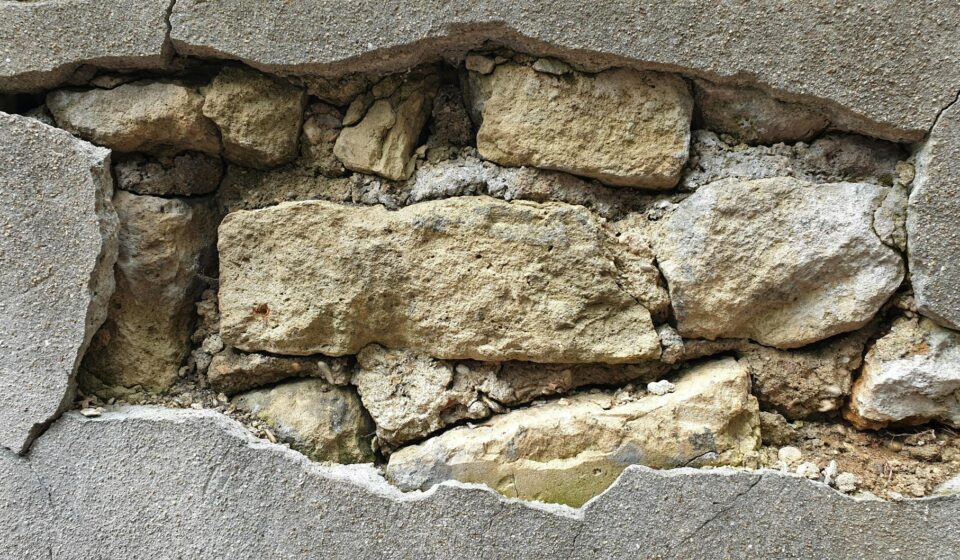
This guide covers everything about Foundation Crack Repair: Your 2026 Guide to Structural Integrity. Most homeowners dread discovering cracks in their foundation. These fissures, often dismissed as cosmetic, can signal underlying structural issues that threaten your home‘s stability and value. Understanding foundation crack repair in 2026 is crucial for proactive home maintenance.
Last updated: May 30, 2026
- Foundation cracks can stem from soil movement, water pressure, or material defects, impacting structural integrity.
- Minor cracks might be cosmetic, but horizontal or widening cracks often require professional intervention.
- Repair methods like epoxy or polyurethane injection seal cracks and restore strength to the foundation.
- Regular inspections and proper drainage are key to preventing future foundation damage.
- While some small cracks can be DIY fixes, most significant issues necessitate experienced foundation repair specialists.
Why Do Foundation Cracks Appear?
Foundation cracks are a common concern for homeowners, and as of May 2026, understanding their origins remains paramount. They rarely appear out of nowhere; instead, they are symptoms of various forces acting upon your home’s foundation. The most frequent culprits involve changes in soil moisture content, which causes the ground to expand and contract.
During dry spells, soil shrinks, creating gaps that can lead to settlement. Conversely, heavy rainfall or poor drainage can cause soil to become oversaturated, leading to hydrostatic pressure against foundation walls. This pressure can force water and even soil into small openings, exacerbating existing weaknesses. According to the U.S. Environmental Protection Agency (EPA) (2025), managing soil moisture around the foundation is a primary preventative measure against many common foundation issues.
Another significant factor is the type of soil your home is built on. Clay soils, for example, are notorious for expanding dramatically when wet and shrinking considerably when dry, creating unstable conditions. Homes built on expansive clay soils require careful management of water drainage and potentially specialized foundation designs to mitigate these forces.
Settlement and Soil Movement
Foundation settlement occurs when the soil beneath a foundation can no longer support the weight of the structure, causing it to sink or shift. This can happen due to poorly compacted soil during construction, erosion, or significant changes in soil moisture. While some minor settlement is normal over time, excessive or uneven settlement can lead to significant stress on the foundation, resulting in cracks.
This is particularly true in areas prone to seismic activity or where there are significant geological changes. For instance, the NBC Boston report on a 360-ton Dracut building being hoisted to replace its crumbling foundation in May 2026 highlights the extreme consequences of severe foundation distress, often initiated by long-term soil-related issues.
Hydrostatic Pressure and Water Damage
Water is a foundation’s worst enemy. When water accumulates around the base of a home, it exerts outward pressure on foundation walls, known as hydrostatic pressure. This force can be substantial, capable of pushing into even hairline cracks, widening them, and potentially compromising the wall’s structural integrity. Persistent moisture also degrades concrete over time, making it more susceptible to cracking.
The Yahoo article advising homeowners to grade their soil to avoid foundation disaster during El Niño events in May 2026 underscores the critical role of water management. Proper grading ensures water flows away from the foundation, reducing saturation and the associated pressure.
Material Defects and Age
While less common than soil-related issues, defects in the original concrete mix or improper curing during construction can lead to inherent weaknesses in the foundation. Over decades, concrete can also experience degradation due to freeze-thaw cycles, chemical exposure, or simply the natural aging process. These factors can manifest as cracks, spalling (flaking concrete), or other forms of deterioration.
Decoding Foundation Crack Types
Not all foundation cracks are created equal. Their appearance, direction, and size can provide vital clues about their cause and the urgency of repair. A professional foundation inspection in 2026 will meticulously assess these characteristics to determine the best course of action.
Hairline or Shrinkage Cracks
These are typically very thin, often less than 1/16th of an inch wide, and usually run vertically or diagonally. They are often caused by the natural shrinkage of concrete as it cures. While they might look alarming, most hairline cracks are considered non-structural and don’t compromise the foundation’s integrity. However, they can be entry points for moisture, so monitoring is advised.
Vertical and Diagonal Cracks
Vertical cracks are usually a result of concrete shrinkage or minor temperature fluctuations. Diagonal cracks, however, can sometimes indicate more serious issues like differential settlement, where one part of the foundation settles more than another. The direction of the crack can offer insights into the forces at play.
Horizontal Cracks
Horizontal cracks are almost always a sign of significant structural problems. They typically form across the width of a foundation wall and are often caused by excessive lateral pressure from saturated soil pushing against the wall. These are the most concerning type of crack and usually require immediate professional attention.
Stair-Step Cracks
These cracks appear in block or brick foundations, mimicking the pattern of a staircase. They usually indicate that the foundation is experiencing uneven settlement or that the wall is bowing inward due to lateral pressure. Like horizontal cracks, stair-step cracks warrant a thorough inspection by a foundation repair specialist.
When to Call a Professional for Foundation Crack Repair
While the urge to tackle any home repair yourself is understandable, foundation crack repair often requires specialized knowledge and equipment. Knowing when to escalate to a professional is key to preventing further damage and ensuring a lasting solution. As of May 2026, the consensus among experts is clear: err on the side of caution.
Signs Pointing to Serious Issues
Several indicators suggest a crack is more than just a surface blemish. If a crack is wider than 1/4 inch, is horizontal, or exhibits a stair-step pattern in masonry, it’s time to call an expert. Also, look for signs of moisture intrusion like efflorescence (a white, powdery residue), dampness, or mold growth within or around the crack. If you notice the crack widening over time, or if you see other signs of structural distress such as sticking doors or windows, uneven floors, or wall bowing, professional assessment is critical.
The MSN article highlighting “terrifying dealbreakers buyers secretly dread” in a home (May 2026) implicitly includes foundation issues. Buyers are increasingly aware that significant foundation problems can be a major red flag, making professional assessment and repair essential for maintaining home value.
Importance of Professional Inspection
Professional foundation repair companies have the expertise to accurately diagnose the cause of a crack. They can differentiate between minor shrinkage cracks and serious structural defects. Their assessments often involve using specialized tools to measure crack width, depth, and movement, and they can identify underlying issues like water intrusion, soil instability, or structural overloading that a homeowner might miss.
The Australian Broadcasting Corporation’s report on bridge design in May 2026, discussing engineers raising red flags, serves as a broader analogy: when structural integrity is in question, expert oversight is non-negotiable. This applies equally to the foundation of your home.
Limitations of DIY Foundation Crack Repair
For very fine, non-structural cracks, DIY kits using epoxy or polyurethane injections might seem like a viable option. However, these kits often lack the professional-grade materials and application techniques required for a truly durable repair. Improper application can lead to a failed repair, allowing water to continue penetrating and potentially causing more damage. Attempting to repair a structural crack without understanding the underlying cause can mask the problem, leading to more extensive and costly repairs down the line.
Common Foundation Crack Repair Methods
The method chosen for foundation crack repair depends heavily on the crack’s type, size, cause, and location. As of May 2026, several effective techniques are available, ranging from simple injections to more involved structural reinforcements.
Epoxy Injection
Epoxy is a strong, rigid adhesive used to fill and bond concrete cracks. It’s particularly effective for structural repairs because it can restore the concrete’s original strength and integrity. Epoxy injections are best suited for dry cracks, as moisture can interfere with the epoxy’s bonding properties. The process involves injecting the epoxy resin into the crack under pressure, effectively sealing it and preventing further movement.
This method is often used for vertical or diagonal cracks that have compromised the concrete’s strength but are not experiencing significant water intrusion. The repair is typically permanent and can restore the wall’s load-bearing capacity.
Polyurethane Injection
Polyurethane foam is a flexible sealant that expands when injected into a crack. Unlike rigid epoxy, polyurethane can accommodate minor movements of the foundation, making it ideal for cracks that may experience slight shifts or for sealing against water intrusion. It’s highly effective for cracks experiencing active leaks or in areas with high water tables.
The flexibility of polyurethane allows it to create a watertight barrier, preventing water from seeping into basements or crawl spaces. This method is often preferred for cracks in basement walls or crawl space walls where water management is a primary concern. Prices for polyurethane injection can vary, but homeowners should budget several hundred to over a thousand dollars depending on the crack’s length and complexity.
Carbon Fiber Straps and Staples
For bowing or leaning foundation walls, carbon fiber reinforcement systems offer a strong solution. Carbon fiber straps are thin, high-strength bands that are epoxied vertically onto the interior of the foundation wall. They are designed to stabilize the wall and prevent further inward bowing or cracking by providing superior tensile strength.
Carbon fiber staples, on the other hand, are U-shaped metal or composite rods that are inserted horizontally across cracks and grouted into place. This method is used to bridge cracks and prevent them from widening, effectively stabilizing the wall section. These systems are often used in conjunction with crack injection methods for complete structural repair.
Foundation Underpinning
Significant settlement causs when foundation cracks, more extensive underpinning solutions may be necessary. This involves installing piers or piles deep into the ground to reach stable soil or bedrock. These piers then lift and stabilize the foundation, preventing further settlement and addressing the root cause of many serious cracks.
Common underpinning methods include helical piers, push piers, and concrete pilings. This is a major structural repair, typically requiring extensive excavation and engineering expertise. The cost can be substantial, often ranging from $10,000 to $30,000 or more, depending on the scope of work. This is a clear example of a repair that’s far beyond the scope of DIY.
Foundation Crack Repair Costs in 2026
The cost of foundation crack repair can vary significantly based on the type of crack, the repair method used, the extent of the damage, and your geographic location. As of May 2026, homeowners can expect a wide range of figures, but understanding the factors influencing price is key.
Factors Influencing Repair Costs
Several elements contribute to the overall cost: the length and depth of the crack, the material used for repair (epoxy is generally less expensive than polyurethane or carbon fiber systems), the accessibility of the crack, and the labor involved. For instance, repairing a single crack in an easily accessible basement wall might cost a few hundred dollars, whereas a complex repair involving multiple cracks, significant water intrusion, or structural reinforcement could run into thousands.
A typical price range for epoxy or polyurethane injection for a single crack of moderate length (e.g., 5-10 feet) can fall between $400 and $1,000. More extensive crack repair projects or those requiring specialized techniques like carbon fiber reinforcement can range from $1,000 to $3,000 or more per wall section. Underpinning, as mentioned, is a significantly larger investment.
Cost vs. Long-Term Value
While the initial cost of foundation repair might seem daunting, it’s essential to view it as an investment in your home’s long-term structural integrity and value. Ignoring foundation cracks can lead to more severe issues, including water damage, mold growth, and compromised structural stability, all of which will be far more expensive to fix later. The MSN article on buyer dealbreakers implicitly highlights this: a well-maintained foundation is a significant selling point, while visible cracks can deter buyers and lower property value.
Getting Multiple Quotes
it’s always advisable to obtain at least three detailed quotes from reputable foundation repair companies. Ensure each quote clearly outlines the scope of work, the materials to be used, the warranty offered, and the total cost. Comparing these quotes will help you understand the market rates and select the most qualified contractor for your specific needs.
Preventing Future Foundation Cracks
While not all foundation cracks can be prevented, proactive measures can significantly reduce the risk of developing new ones and prevent existing ones from worsening. Focusing on water management and regular maintenance is key.
Manage Water Drainage
The most critical step is ensuring water is directed away from your home’s foundation. This includes ensuring gutters are clean and functioning properly, extending downspouts at least 4-6 feet away from the foundation, and grading the soil around your home so it slopes away from the foundation walls. Installing a French drain system can also be highly effective in areas with persistent water issues.
Maintain Soil Moisture
While directing water away is crucial, consistently dry soil can also cause problems. In very dry climates, ensuring the soil around your foundation remains adequately, but not excessively, moist can help prevent shrinkage. This might involve occasional watering of the soil near the foundation during prolonged droughts, but care must be taken not to oversaturate it.
Regular Inspections
Periodically inspect your foundation walls, both inside and out, for any new cracks or changes in existing ones. Pay attention to the basement and crawl spaces. Early detection of small issues can prevent them from becoming major structural problems. A professional foundation inspection every few years, or after significant weather events, is also a wise investment.
Proper Landscaping
Avoid planting large trees or shrubs too close to your foundation, as their root systems can interfere with the soil and foundation over time. Ensure any landscaping beds near the foundation have adequate drainage and are not holding excessive moisture against the walls.
DIY vs. Professional Foundation Crack Repair
Deciding whether to tackle foundation crack repair yourself or hire a professional is a critical choice. The scale of the problem, your comfort level with repairs, and the potential consequences of an improper fix all play a role.
When DIY Might Be an Option
For very fine, hairline cracks (less than 1/16 inch wide) that are clearly non-structural and not associated with water intrusion, a DIY approach with a concrete repair caulk or a small epoxy injection kit might suffice. These products are readily available at hardware stores and can provide a temporary or cosmetic fix. However, it’s crucial to understand that these repairs typically don’t restore structural integrity and should be monitored closely.
When Professional Help is Essential
Any crack that’s wider than 1/4 inch, horizontal, stair-stepped, actively leaking water, or associated with other signs of structural distress (like bowing walls or sticking doors) requires professional attention. Professionals have access to commercial-grade materials, specialized equipment, and the expertise to diagnose and address the root cause of the problem. Attempting to fix a structural issue without professional guidance can lead to costly mistakes and further damage.
Choosing a Foundation Repair Company
When selecting a professional, look for companies with extensive experience in foundation repair, proper licensing and insurance, and a solid reputation within your community. Check online reviews, ask for references, and ensure they offer a complete warranty on their work. The Castanet article on CBT grants helping daycare centers remain functional serves as a reminder that structural integrity is vital for long-term stability, a principle that applies directly to home foundations.
Frequently Asked Questions About Foundation Crack Repair
Are all foundation cracks a sign of serious problems?
No, not all foundation cracks are serious. Very fine, hairline cracks are often due to concrete shrinkage during curing and are typically non-structural. However, wider, horizontal, or stair-step cracks, especially those showing signs of water intrusion or movement, usually indicate more significant structural issues.
How much does foundation crack repair typically cost?
The cost varies widely, from a few hundred dollars for minor DIY crack sealing to several thousand dollars for professional epoxy or polyurethane injections. Major structural repairs like underpinning can cost $10,000 to $30,000 or more. Obtaining multiple quotes is essential for accurate pricing.
Can foundation cracks be repaired permanently?
Yes, when the underlying cause of the crack is properly identified and addressed, professional repair methods like epoxy or polyurethane injection, or structural reinforcement, can provide a permanent solution. Underpinning addresses settlement issues, offering a long-term fix for the root cause.
What is the difference between epoxy and polyurethane injection for cracks?
Epoxy is a rigid material that restores structural strength and is best for dry cracks. Polyurethane is flexible, expands to fill voids, and creates a watertight seal, making it ideal for cracks with water intrusion or minor movement.
How can I prevent cracks from forming in my foundation?
Preventative measures focus on managing water around your home. Ensure proper drainage with functioning gutters and downspouts, maintain positive grading away from the foundation, and monitor soil moisture levels. Regular inspections can catch small issues before they become major problems.
What are the signs of a foundation that needs urgent repair?
Urgent signs include horizontal cracks, stair-step cracks in masonry, cracks wider than 1/4 inch, significant bowing of walls, or visible signs of movement like sticking doors/windows. Water intrusion and dampness are also red flags requiring prompt attention.
Conclusion: Protecting Your Home’s Foundation
Foundation crack repair in 2026 is a critical aspect of homeownership, safeguarding not just the structure itself but also your investment and peace of mind. While minor cosmetic cracks may not demand immediate attention, any sign of structural compromise warrants a thorough inspection by a qualified professional. Understanding the causes, types, and repair methods empowers you to make informed decisions.
The most actionable takeaway is to proactively manage water around your home and to never ignore cracks that exhibit concerning characteristics. Early detection and timely, professional repair are the most effective strategies for maintaining your home’s structural integrity and preventing far more costly problems down the line. For complete structural assessments, always consult with experienced foundation repair specialists.
Last reviewed: May 2026. Information current as of publication; pricing and product details may change.
Source: Britannica
Related Articles
- Simonton Windows Buyer's Guide 2026
- Kite HxH: The REAL Numbers Behind the Power
- Severna Dakota: What it’s and Why It Confuses Many in 2026
Editorial Note: This article was researched and written by the Day Spring Management editorial team. We fact-check our content and update it regularly. For questions or corrections, contact us. Knowing how to address Foundation Crack Repair: Your 2026 Guide to Structural Integrity early makes the rest of your plan easier to keep on track.
Related read: Lamps4U: Beyond Illumination in 2026 – Smarter Choices.