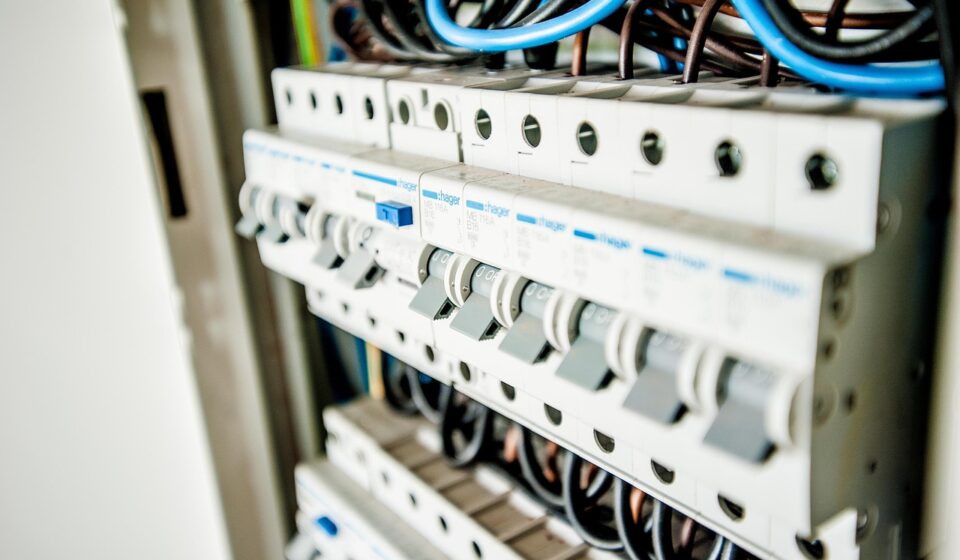
How Do 3-Way Switches Actually Work?
Unlike a standard single-pole switch that simply opens or closes a circuit, a three-way switch system uses two switches to control a single light. Each three-way switch has three terminals: a common terminal and two traveler terminals. The switches work in tandem to change the path of the electrical current, allowing the light to be turned on or off from either location.
Last updated: May 30, 2026
The key is how the traveler wires connect the two switches. When you flip one switch, it redirects the current from one traveler wire to the other. The second switch then either completes the circuit to the light (turning it on) or breaks it (turning it off). This clever design makes them indispensable for areas with multiple entry points or high traffic.

Essential Components for Three Way Switch Wiring
Successfully wiring a three-way switch setup requires understanding the components involved. Beyond the two three-way switches themselves, you’ll need appropriate electrical cable (typically 14/3 or 12/3 gauge for the traveler wires, depending on the circuit breaker rating), wire nuts for secure connections, and a voltage tester to ensure the power is off.
The switches themselves have specific terminals. The common terminal is where the power enters the first switch or where the wire to the light fixture exits the second switch. The two traveler terminals connect the two switches. It’s vital to differentiate these terminals on each switch, as mixing them up will prevent the circuit from functioning correctly.
According to the National Electrical Code (NEC) as of 2026, proper wire sizing and conduit use are essential for safety and code compliance. For instance, circuits protected by a 15-amp breaker typically use 14-gauge wire, while 20-amp circuits require 12-gauge wire. Always consult local building codes, as they may have specific requirements.
Understanding Common 3-Way Switch Wiring Diagrams
The complexity of three-way switch wiring often stems from the different ways the power source, switches, and light fixture can be arranged. Understanding these common configurations is the first step to a successful installation. The most crucial element is consistently identifying the ‘common’ wire and the ‘traveler’ wires.
A common wire is usually connected to a terminal screw that’s a different color (often black or dark brass) than the other two, which are typically brass. The traveler wires connect the two traveler terminals on each switch. The power source (line) or the wire to the light fixture (load) connects to the common terminal of one of the switches, depending on the wiring configuration.
Visualizing these paths is key. Think of the common wire as the main highway for electricity. The traveler wires are the connecting roads between the two switch locations, and the switches themselves act as decision points, diverting traffic down one of the traveler roads or to the final destination (the light).

Scenario 1: Power Source Enters Switch Box 1
This is a very common setup. The power source (hot wire, typically black) enters the first switch box. This hot wire connects to the common terminal of the first three-way switch. The two traveler wires (often black or red within a cable) run from the traveler terminals of the first switch to the traveler terminals of the second switch.
The second three-way switch has its traveler wires connected to its traveler terminals. The common terminal of the second switch is then connected to the wire that leads to the light fixture (the load wire, usually black). The neutral wires are typically spliced together and bypassed around the switches, going directly to the light fixture. The ground wires are connected to the ground terminals on both switches and to the metal boxes if applicable.
In this configuration, when you flip the first switch, it directs the hot power to one of the two traveler wires. When you flip the second switch, it determines whether that power on the chosen traveler wire completes the circuit to the light via its common terminal. The National Electrical Manufacturers Association (NEMA) provides standards for terminal identification that installers should be aware of.
Scenario 2: Power Source Enters Switch Box 2
This setup is functionally identical to Scenario 1, just mirrored. Here, the power source enters the second switch box. The hot wire connects to the common terminal of the second switch. The two traveler wires run from the traveler terminals of the second switch to the traveler terminals of the first switch.
The common terminal of the first switch is then connected to the wire that leads to the light fixture. Again, neutral wires are spliced together and bypassed, and ground wires are connected to all grounding points. This arrangement is often encountered when adding a switch to an existing circuit or in older homes.
The critical takeaway is that the common terminal is always connected to either the incoming hot wire or the outgoing load wire, while the traveler terminals are always connected between the two switches. The National Fire Protection Association (NFPA) emphasizes proper wire insulation and connection methods to prevent shorts and fires.
Scenario 3: Power Source Enters Light Fixture Box
This configuration is slightly less common for new installations but is frequently found in older wiring. The power source enters the light fixture’s junction box first. The hot wire from the source connects directly to the common terminal of one of the three-way switches via a separate cable run, often a 2-wire cable (hot and neutral). The neutral from the source is connected to the neutral for the light.
From the light fixture box, a 3-wire cable (including a ground) runs to the first switch box. The hot wire from the source is then connected to the common terminal of the first switch. Two traveler wires run from the traveler terminals of the first switch to the traveler terminals of the second switch. The common terminal of the second switch connects to the wire that then runs back to the light fixture box to power the light.
This method can sometimes seem more complex due to the power source originating at the fixture. However, the principle of common and traveler connections between the switches remains the same. Properly identifying each wire’s function is crucial. For instance, a 14/3 cable contains a black wire (hot), red wire (traveler), white wire (neutral), and bare copper (ground).

Step-by-Step: Installing a 3-Way Switch
Before starting, ensure the power to the circuit is turned OFF at the breaker box. Use a non-contact voltage tester to confirm there’s no power at the existing switch box or light fixture. If you are replacing an existing switch, carefully note the wire connections before disconnecting.
- Turn Off Power: Locate the correct circuit breaker and switch it to the OFF position. Verify power is off using a voltage tester at the intended work location.
- Identify Wires: If replacing existing switches, carefully examine how wires are connected. Note which wire connects to the common terminal and which connect to the traveler terminals. If installing new, pull the appropriate cable (e.g., 14/3 for 15A circuits) to connect the boxes.
- Connect the First Switch: Connect the incoming hot wire (from the power source) to the common terminal of the first three-way switch. Connect the two traveler wires to the two traveler terminals on this switch. Connect the ground wire to the green ground screw on the switch and to any grounding wires in the box.
- Connect the Second Switch: Connect the two traveler wires from the first switch to the two traveler terminals on the second three-way switch. Connect the wire going to the light fixture (load wire) to the common terminal of this second switch. Connect the ground wire to the green ground screw on the switch and to any grounding wires.
- Wire Neutrals: In most configurations, the neutral (white) wires in both switch boxes will be connected directly to each other using a wire nut, bypassing the switches. If a neutral wire is needed for a smart switch or other device, ensure it’s properly identified and connected.
- Secure Connections: Ensure all wire nut connections are tight and secure. Tug gently on each wire to confirm it’s held firmly.
- Mount Switches: Carefully fold the wires back into the electrical boxes and mount the switches. Attach the faceplate.
For 2026 installations, consider using smart switches that offer advanced features like remote control and scheduling, which often require a neutral wire connection. Always ensure your chosen components are rated for the circuit’s amperage and voltage.
Testing and Troubleshooting Your 3-Way Switch Setup
Once everything is connected and the power is restored, test the functionality. The light should turn on or off regardless of the position of either switch. If it doesn’t, or if the switches behave erratically, it’s time for troubleshooting. The most common culprits are misidentified common terminals or improperly connected traveler wires.
First, turn off the power again. Double-check that the hot wire is connected to the common terminal of the first switch and the load wire to the common terminal of the second switch (or vice-versa, depending on your specific wiring scenario). Verify that the traveler wires are connected between the traveler terminals of both switches.
Another common issue is a loose connection. Ensure all wire nuts are tight and that wires are fully seated on terminal screws. If you’re using a 14/3 cable, ensure the red wire is used as a traveler, and the white wire is the neutral. According to the U.S. Consumer Product Safety Commission (CPSC) (2024 data), electrical issues are a leading cause of household fires, so meticulous checking is essential.
Safety First: Essential Precautions for Electrical Work
Working with electricity is inherently dangerous and can lead to severe injury or fire if not done correctly. Always prioritize safety. This means turning off the power at the breaker box and confirming it’s off with a voltage tester before touching any wires or terminals.
Wear appropriate safety gear, including safety glasses and insulated gloves. Avoid working in damp conditions, as water conducts electricity. If you are unsure about any part of the process, it’s always best to consult a qualified electrician. The Occupational Safety and Health Administration (OSHA) recommends thorough training and adherence to safety protocols for all electrical work.
For 2026, newer smart switches might have additional wiring requirements, such as a neutral wire or specific ground connections. Always read and follow the manufacturer’s installation instructions carefully. Improper installation can not only lead to malfunction but can also void warranties and create fire hazards.
Common Mistakes in 3-Way Switch Wiring
One of the most frequent errors is confusing the common terminal with the traveler terminals. Switches are designed with specific connections in mind, and reversing these will prevent the circuit from operating correctly. Always look for the uniquely colored screw that indicates the common terminal.
Another mistake is using the wrong type of cable. For three-way switch wiring, a 3-wire cable (plus ground) is often necessary between the two switch boxes to carry the two traveler wires and a potential switched hot or neutral, depending on the configuration. Using a 2-wire cable where a 3-wire is needed will result in an incomplete circuit.
Forgetting to connect the ground wires is a critical safety oversight. Ground wires provide a path for electricity to safely dissipate in the event of a fault, preventing shock. Ensure all ground wires are connected to the grounding terminal on the switches and within the junction boxes. The Electrical Safety Foundation International (ESFI) (2026 report) highlights that proper grounding significantly reduces electrical accident risks.
When to consider Alternatives to 3-Way Switches
While three-way switches are excellent for controlling lights from two locations, other solutions exist for more complex needs. For controlling a light from three or more locations (e.g., a large room with multiple entrances), you would need to introduce a four-way switch into the circuit between the two three-way switches. Four-way switches essentially act as reversers for the traveler wires.
Smart home technology offers another alternative. Many smart switches and bulbs can be controlled via a smartphone app or voice commands, and some systems allow for multi-location control without complex traditional wiring. Brands like Philips Hue or Lutron Caséta offer strong smart lighting systems that can often be configured for more than two control points with greater ease, though they typically involve a hub or Wi-Fi connectivity and may come with a higher initial cost.
For very simple applications where only one switch is needed, a standard single-pole switch is sufficient and much simpler to wire. Choosing the right system depends on the number of control points, desired features, and budget. The integration of smart home devices is a growing trend, with many homeowners opting for these solutions for their flexibility and convenience.
Frequently Asked Questions
Can I use a regular light switch for a three-way setup?
No, you can’t use a standard single-pole switch. Three-way switches have three terminals (one common, two travelers) to manage the circuit flow from two locations, whereas single-pole switches only have two terminals for on/off control from one location.
How do I know which wire is the common wire on a 3-way switch?
A darker-colored screw terminal typically identifies the common terminal (often black or dark brass) compared to the two brass-colored traveler terminals. Always refer to the switch manufacturer’s instructions for definitive identification.
What happens if I mix up the traveler wires and the common wire?
If wired incorrectly, the light will likely not turn on, or it won’t respond to one of the switches. The switches may also behave erratically. It means the circuit isn’t completing as intended, and you’ll need to re-examine your connections based on the wiring diagram.
Can I wire a 3-way switch with the power entering the light fixture?
Yes, this is a common wiring configuration, though it can sometimes be more complex to trace. The principle remains the same: identify the common and traveler terminals correctly and ensure the power source and load are connected to the appropriate points in the circuit.
Do I need a special cable for three-way switch wiring?
Typically, yes. Between the two switch boxes, you will usually need a 3-wire cable (e.g., 14/3 or 12/3, depending on the circuit’s amperage) which includes a black wire, a red wire, a white wire (neutral), and a bare copper ground wire. Three way switch wiring allows for the two traveler wires and potentially a switched hot or neutral.
How do I wire a 3-way switch if I can’t find a common terminal screw?
Some modern or smart switches might have push-in terminals or require specific wiring configurations. Always consult the manufacturer’s specific wiring diagram for the switch you are installing. If a terminal is not clearly marked, refer to the product manual.
Conclusion: Empowering Your Home with Dual-Location Lighting
Understanding and implementing three way switch wiring is a practical and rewarding DIY project for many homeowners. It enhances the functionality of stairwells, hallways, and large rooms by providing convenient control over lighting from multiple points. By carefully following wiring diagrams, identifying terminals correctly, and prioritizing safety at every step, you can successfully upgrade your home’s electrical system.
The core principle of controlling a light from two locations relies on the interplay between the common and traveler wires. As of May 2026, with advancements in smart home technology, you also have options for more sophisticated control. However, for traditional setups, mastering the three-way switch remains a valuable skill for any homeowner looking to improve their living space. Always remember to turn off the power and, if in doubt, call a qualified electrician.
Last reviewed: May 2026. Information current as of publication; pricing and product details may change.
Source: Britannica
Editorial Note: This article was researched and written by the Day Spring Management editorial team. We fact-check our content and update it regularly. For questions or corrections, contact us. Knowing how to address three way switch wiring early makes the rest of your plan easier to keep on track.