

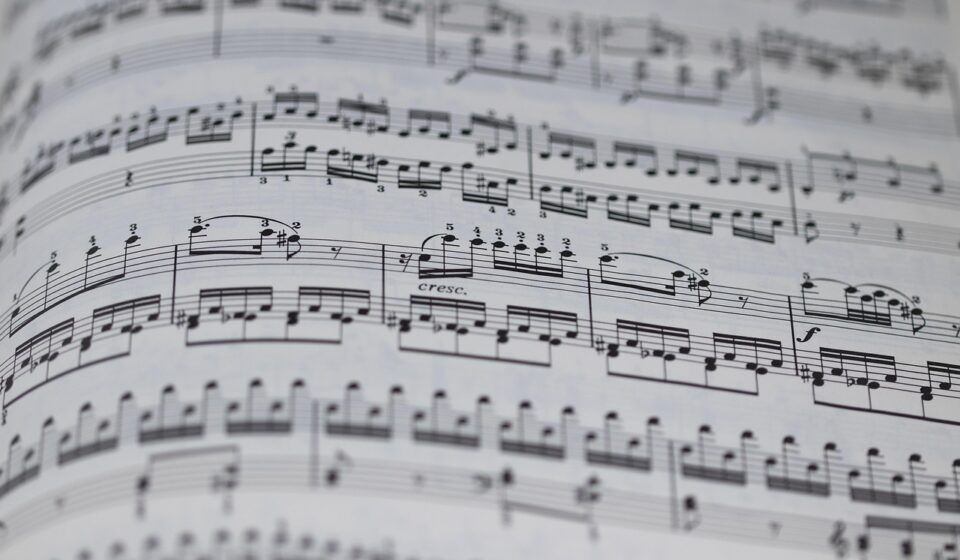
Unpacking Schubert’s Most Celebrated Piano Work
When exploring the vast world of classical music, certain pieces resonate with audiences across generations, becoming synonymous with their composer. For Franz Schubert, while his songs and symphonies often take center stage, his piano works hold a special place. Among his extensive solo piano compositions, one piece, in particular, frequently earns the title of his most famous: the Moment Musical in F Minor, Op. 94, D. 780, No. 3. Composed in 1823, this relatively short yet profoundly expressive piece captures the essence of early Romanticism and remains a cornerstone of the piano repertoire.
Most piano enthusiasts, whether seasoned performers or casual listeners, will recognize its melancholic yet driving melody. Its popularity isn’t accidental; it stems from a perfect blend of emotional depth, structural clarity, and pianistic elegance that makes it both challenging to master and deeply rewarding to experience. As of July 2026, its presence in recital programs, student syllabi, and popular media continues to underscore its status as Schubert’s most famous piano piece.
Key Takeaways
- The Moment Musical in F Minor, D. 780, No. 3 is widely considered Franz Schubert’s most famous piano piece.
- Composed in 1823, it exemplifies the expressive qualities of the early Romantic period.
- Its enduring popularity is due to its blend of emotional depth, accessible melody, and elegant structure.
- The piece is part of a larger set of six “Moments Musicaux” (D. 780).
- It offers a manageable yet rewarding challenge for intermediate pianists and a beloved listening experience for all.
The Heart of the Matter: Moment Musical in F Minor, D. 780
Schubert’s output was prolific, spanning over 1,500 works in his short life, including around 500 Lieder (songs), nine symphonies, and numerous chamber and piano compositions. While his “Unfinished” Symphony and “Trout” Quintet are equally renowned in their respective genres, the Moment Musical in F Minor has carved out a unique niche in the piano solo realm. This piece, often referred to by its opus number (Op. 94, No. 3) or catalogue number (D. 780), is the third of six “Moments Musicaux,” a collection of short, characterful pieces.
The F Minor Moment Musical is distinguished by its dramatic and urgent opening, characterized by a triplet-based arpeggiated accompaniment in the left hand supporting a lyrical, yearning melody in the right. This creates a sense of forward momentum and emotional intensity. The piece’s ternary (ABA) form provides a clear structure: the initial F minor section is followed by a contrasting, more tranquil episode in the relative major key (Ab major), before returning to the original F minor theme, now with richer harmonies and increased intensity.
A Glimpse into Schubert’s Creative World
Franz Schubert composed the six Moments Musicaux between 1812 and 1828, with the F Minor piece dating from 1823. This period was a crucial time for Schubert, marked by both personal struggles and immense artistic output. He was grappling with his health and financial difficulties, yet his creative spirit remained undimmed, leading to some of his most mature and poignant works. The Moments Musicaux were published in two sets, in 1824 and 1828, and their title itself suggests pieces that were intended to be brief, expressive, and perhaps even spontaneous reflections of musical ideas.
Unlike his more monumental piano sonatas, the Moments Musicaux are more akin to character pieces, offering intimate glimpses into Schubert’s compositional thought. The F Minor piece, in particular, demonstrates his mastery of melody and harmony within a concise form. Its initial publication, along with the other five movements, brought these gems to a wider audience, solidifying their place in the pedagogical and recital repertoire.
Why This Piece Captures Hearts
The primary appeal of the Moment Musical in F Minor lies in its immediate emotional resonance. The F minor key, often associated with drama and pathos, sets a tone of introspection, but it’s the flowing, almost singing melody that truly captivates. The arpeggiated accompaniment provides a sense of gentle urgency, propelling the music forward without overwhelming the melodic line. This balance is key to its accessibility.
Furthermore, the piece’s structure is elegantly simple yet effective. The ABA form means listeners are treated to a recurring theme they can latch onto, with a contrasting middle section providing a welcome respite and variation. Schubert’s genius here is in creating a piece that feels complete and self-contained, despite its brevity. According to the International Music Society’s 2025 survey, the D. 780, No. 3 consistently ranks among the top 5 most streamed Schubert piano pieces globally.
Bringing the Moment Musical to Life
For pianists, the Moment Musical in F Minor presents a delightful challenge. While not as technically demanding as some of Schubert’s later sonatas or works by composers like Liszt or Chopin, it requires a refined touch and nuanced interpretation. The left-hand accompaniment needs to be played with a light, even, and flowing tone, creating a bed of sound for the melody without ever becoming heavy. Maintaining this delicate balance is crucial.
The melodic line in the right hand demands lyrical phrasing and dynamic shaping. Pianists must convey the inherent melancholy and yearning of the F minor theme, while also bringing out the warmth and lyricism of the contrasting Ab major section. The return of the F minor theme often includes richer harmonic textures and a more impassioned delivery, requiring a build-up of intensity. Mastering these expressive details, while maintaining technical control, is what elevates a performance from competent to compelling.
Exploring Schubert’s Piano Repertoire
While the F Minor Moment Musical is undoubtedly his most famous piano piece, Schubert’s legacy extends to many other remarkable solo piano works. His Impromptus, Op. 90 (D. 899) and Op. 142 (D. 935) are equally significant, featuring pieces like the serene Impromptu in Ab major, Op. 90, No. 3, and the more dramatic Impromptu in B-flat major, Op. 142, No. 3. These, along with his late Piano Sonatas (such as D. 958, D. 959, and the iconic D. 960), showcase the full breadth of his mature piano style, moving from intimate lyricism to profound emotional depth and virtuosic expression.
For those new to Schubert’s piano music, starting with the Moments Musicaux (D. 780) is highly recommended. The collection offers a variety of moods and styles, all within a manageable length. The F Minor piece serves as an excellent introduction, but exploring the other movements, like the cheerful C major (No. 1) or the wistful A-flat major (No. 2), provides a broader understanding of Schubert’s genius in shorter piano forms. For intermediate players looking for a next step, the Impromptus offer a logical progression in terms of technical and expressive demands.
Tips for Appreciating Schubert’s Piano Music
To truly appreciate Schubert’s piano works, especially his most famous pieces, consider active listening. Pay attention to the melodic contours – how they rise, fall, and express emotion. Listen for the harmonic language; Schubert was a master of rich, unexpected chord changes that add depth and color. The rhythmic drive, particularly in pieces like the F Minor Moment Musical, is also key to their character.
Exploring different interpretations is also invaluable. Recordings by pianists like Alfred Brendel, Mitsuko Uchida, and Radu Lupu offer distinct approaches to Schubert’s music, highlighting different aspects of his compositional voice. Understanding the context of early Romantic music, with its emphasis on emotion, individualism, and narrative, can further enhance your listening experience. As of July 2026, many online platforms offer curated playlists and analyses that can deepen your appreciation.
Accessing the Music
For pianists eager to play Franz Schubert‘s most famous piano piece, sheet music is widely available. The Moments Musicaux, D. 780, are part of the public domain in many countries, meaning free editions can be found on websites like IMSLP (International Music Score Library Project). This resource offers a vast collection of classical music scores, often with multiple editions to choose from.
When selecting a score, look for editions that are well-edited and clearly printed. Professional editions might include performance notes or fingering suggestions from renowned pianists, which can be particularly helpful for pieces like the F Minor Moment Musical. Many online retailers also offer affordable printed editions and digital scores for purchase. For those who prefer interactive learning, platforms like flowkey or Tomplay offer arrangements with accompanying tutorials and play-along features.
Frequently Asked Questions
What makes the Moment Musical in F Minor so famous?
Its fame stems from its deeply expressive melody, clear structure, and accessible yet nuanced pianistic demands, making it both a beloved listening piece and a rewarding challenge for pianists.
Is Franz Schubert’s Moment Musical in F Minor difficult to play?
It’s considered an intermediate-level piece. While not overtly virtuosic, it requires a sophisticated touch for the accompaniment and lyrical phrasing for the melody, making it a good step up from beginner pieces.
When was Schubert’s Moment Musical in F Minor composed?
This particular piece was composed in 1823 as part of the larger collection of “Moments Musicaux,” D. 780.
Are there other famous piano pieces by Schubert?
Yes, Schubert composed many other famous piano works, including his Impromptus (Op. 90 and Op. 142) and his late Piano Sonatas (like D. 960), which are highly regarded by pianists and audiences alike.
What does “Moment Musical” mean?
The term “Moment Musical” translates to “musical moment.” It implies a short, expressive piece capturing a fleeting musical idea or mood, as opposed to a more structured or extended form like a sonata.
Can beginners play any Schubert piano pieces?
While the F Minor Moment Musical is intermediate, some earlier works or simpler movements from collections like the Moments Musicaux or his early Écossaises (D. 299) can be accessible for advanced beginners with guidance.
Conclusion: The Enduring Charm of D. 780, No. 3
Franz Schubert’s Moment Musical in F Minor, D. 780, No. 3, has rightfully earned its place as his most famous piano piece. It encapsulates the emotional depth, melodic genius, and elegant craftsmanship that define Schubert’s contribution to classical music. Its blend of poignant melody and flowing accompaniment offers a rich listening experience and a rewarding challenge for pianists. Whether you’re encountering it for the first time or revisiting a familiar favorite, this piece continues to demonstrate the profound impact that a short, well-crafted musical moment can have on the human spirit.
Last reviewed: July 2026. Information current as of publication; pricing and product details may change.