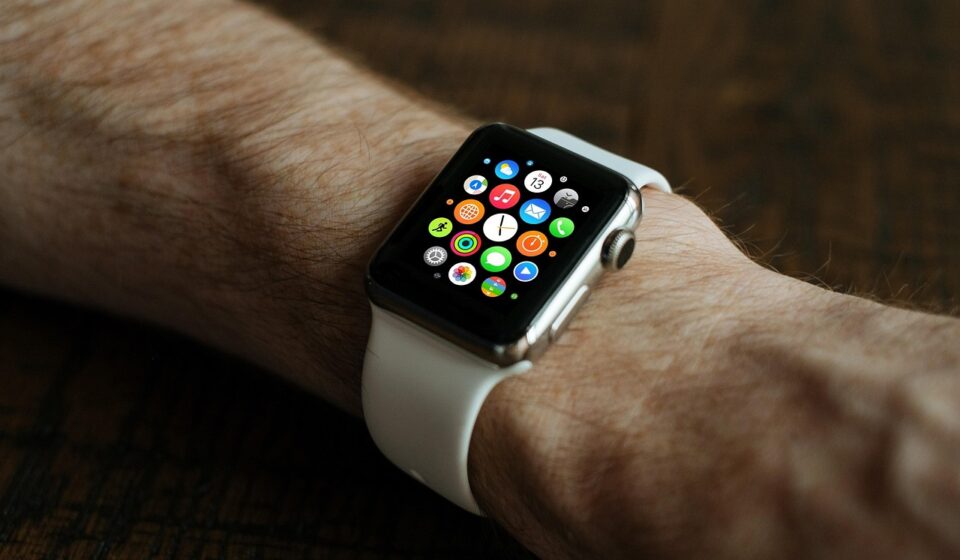
The Future of Wearable Technology in 2026: What’s Next?
As of June 2026, the world of wearable technology is poised for a significant evolution, moving beyond basic step counting and notifications. Devices are becoming more sophisticated, personal, and integrated into the fabric of our daily lives, offering profound impacts on health, productivity, and human-computer interaction. The innovations emerging now promise to redefine how we manage our well-being and engage with the digital world.
- Wearables in 2026 are increasingly focused on advanced health monitoring, predicting potential issues before they arise.
- Artificial intelligence is transforming wearables into personalized wellness coaches and diagnostic tools.
- New form factors and smart materials are emerging, making wearables more discreet and comfortable.
- The integration of augmented reality and smooth human-machine interfaces is a key future direction.
- Privacy and data security remain critical considerations as wearables collect more personal information.
The Evolution of Wearable Health Monitoring
One of the most dynamic areas in wearable technology is health monitoring. As of 2026, the focus has shifted from reactive tracking to proactive prediction. Devices are equipped with increasingly sensitive biosensors capable of continuously measuring a wider array of physiological data points. This includes not only heart rate and blood oxygen levels but also continuous glucose monitoring, stress indicators via cortisol levels, and even early detection markers for infectious diseases.
For instance, companies are developing smart patches that adhere to the skin, providing real-time, non-invasive readings of vital signs. According to a report by the World Health Organization (2025), the early detection of chronic conditions like diabetes and cardiovascular disease through personal devices could significantly reduce healthcare burdens globally. These advancements are blurring the lines between consumer gadgets and medical-grade equipment, paving the way for personalized health management.

AI as Your Personal Coach and Diagnostician
Artificial intelligence is the engine driving much of the innovation in the future of wearable technology. In 2026, AI algorithms are no longer just processing raw data; they are interpreting it contextually, providing actionable insights, and offering personalized recommendations. Imagine a smartwatch that doesn’t just tell you you’re stressed, but analyzes your biometric data, calendar, and sleep patterns to suggest specific relaxation techniques or even recommend rescheduling a demanding meeting.
Generative AI is also finding its way into wearables, powering sophisticated wellness coaches. These AI companions can offer tailored advice on fitness, nutrition, and mental well-being, adapting to your progress and preferences. For example, a user might interact with their smart ring via voice to get a personalized workout plan that accounts for their recovery status, a level of personalized coaching previously only available through human trainers.
New Form Factors and Smart Materials
The evolution of wearable technology isn’t just about enhanced functionality; it’s also about improved form and integration. While smartwatches and fitness bands remain popular, the future is leaning towards more discreet and comfortable options. Smart rings, for instance, are gaining traction, offering strong health tracking capabilities in a minimalist design. Smart glasses are also seeing renewed development, aiming to provide augmented reality experiences and information overlays without the bulk or social stigma of earlier iterations.
The materials used in wearables are also undergoing a revolution. We’re seeing the rise of smart fabrics that can integrate sensors directly into clothing, allowing for smooth monitoring of movement, posture, and physiological signals. These smart textiles can be as comfortable and washable as traditional garments, making continuous data collection far more practical and less intrusive. This opens up possibilities for athletic performance tracking, elderly care, and even specialized work environments.
Enhanced Connectivity and Human-Machine Interaction
The future of wearable technology is intrinsically linked to enhanced connectivity and more intuitive human-machine interfaces. As devices become more capable, their ability to communicate with each other and with larger networks becomes paramount. This includes smooth integration with smart home systems, vehicles, and the broader Internet of Things (IoT). Your wearable could automatically adjust your home’s thermostat when you’re nearing home, or alert your car to pre-condition the cabin.
Beyond simple connectivity, the interaction between humans and machines is becoming more fluid. Voice commands, gesture recognition, and even brain-computer interfaces (BCIs) are being explored to offer more natural ways to control and interact with technology. Imagine controlling your smart devices with subtle hand movements detected by your smartwatch, or receiving real-time language translations displayed discreetly on smart glasses during a conversation. According to industry expert predictions for the next decade, these smooth interactions will redefine personal computing.

Privacy and Security in the Wearable Era
With the explosion of personal data collected by wearables, privacy and security concerns are more significant than ever. As of 2026, manufacturers and regulators are grappling with how to protect this sensitive information. The data generated by these devices can reveal intimate details about an individual’s health, habits, and location, making it a prime target for cybercriminals and a subject of intense public scrutiny.
strong encryption, transparent data usage policies, and user control over data sharing are becoming essential features. Consumers are increasingly demanding clarity on how their data is collected, stored, and used. For instance, understanding that your sleep data might be used to personalize advertising requires explicit consent, not just buried clauses in a user agreement. The development of secure apps for wearables must prioritize these ethical considerations to build user trust.
Practical Tips for Adopting Future Wearables
As wearable technology continues its rapid advance, here are some practical tips for integrating these innovations into your life effectively and responsibly:
- Define Your Needs: Before investing, identify what you want from a wearable. Are you primarily interested in fitness tracking, health monitoring, productivity tools, or communication? This clarity will help you choose the most suitable device and avoid unnecessary features.
- Research Device Capabilities and Data Privacy: Look beyond marketing claims. Investigate the accuracy of sensors, the depth of data collected, and crucially, the company’s privacy policy. Understand how your data will be used and protected.
- Consider Ecosystem Compatibility: If you already use other smart devices or platforms, ensure your new wearable integrates smoothly. This might involve checking app compatibility or specific brand ecosystems.
- Start with a Proven Form Factor (If Unsure): While new form factors are exciting, if you’re new to wearables, a smartwatch or fitness band from a reputable brand offers a well-established user experience and reliable performance.
- Be Mindful of Battery Life: Advanced features often consume more power. Check reviews and specifications for realistic battery life estimates, especially if you don’t want to charge your device daily.
- Stay Informed About Updates: Manufacturers frequently release software updates that enhance functionality, improve security, and add new features. Keep your devices updated to get the most out of them.

Common Misconceptions About Future Wearables
Several misconceptions can hinder the adoption and understanding of advanced wearable technology. One common one is that all wearables are primarily for fitness enthusiasts. While fitness tracking is a major component, the future of wearable technology in 2026 is heavily geared towards complete health management, mental well-being, and productivity for a much broader audience.
Another misconception is that these devices are overly complex to use. While they offer advanced features, the trend is towards intuitive interfaces and ambient intelligence. Many future wearables will operate with minimal direct interaction, providing information and assistance proactively. For example, a smart ring might subtly vibrate to remind you to stand up or take a break, requiring no conscious effort from the user beyond wearing the device.
Looking Ahead: The Wearable Future is Personal and Proactive
The future of wearable technology in 2026 and beyond is characterized by increasing personalization, proactive insights, and smooth integration into our lives. From advanced health diagnostics to AI-powered personal assistants and immersive AR experiences, these devices are set to become indispensable tools for managing our health, enhancing our capabilities, and connecting us to the world in more meaningful ways.
As technology continues to evolve, the most impactful wearables will be those that not only collect data but also empower users with actionable intelligence, all while respecting privacy and ensuring security. The journey from simple fitness trackers to sophisticated personal health and computing companions is well underway.
Last reviewed: June 2026. Information current as of publication; pricing and product details may change.
Frequently Asked Questions
What is future of wearable technology?
future of wearable technology is a topic that many people search for. This article provides a thorough overview based on current information and expert analysis available in 2026.
Why does future of wearable technology matter?
Understanding future of wearable technology helps you make better decisions. Whether you’re a beginner or have some experience, staying informed on this topic is genuinely useful.
Where can I learn more about future of wearable technology?
We recommend checking authoritative sources and official websites for the most current information. This article is regularly updated to reflect new developments.
Editorial Note: This article was researched and written by the Day Spring Management editorial team. We fact-check our content and update it regularly. For questions or corrections, contact us.