Why Indoor Air Quality Matters More Than You Think
This guide covers everything about how to improve home air quality. Most people don’t realize that the air inside their homes can be significantly more polluted than the air outdoors. As of June 2026, Americans, on average, spend approximately 90% of their time indoors. This prolonged exposure to potentially compromised indoor air quality (IAQ) can lead to a range of health issues, from mild discomfort like headaches and fatigue to more serious conditions such as respiratory diseases and even long-term cognitive deficits.
Last updated: June 21, 2026
Creating a healthier living environment starts with understanding the invisible threats within your home. Fortunately, implementing effective strategies to improve home air quality is achievable with practical, actionable steps.
- Controlling pollution sources, enhancing ventilation, and using air filtration are key to improving home air quality.
- Regular maintenance of HVAC systems and diligent cleaning practices significantly reduce indoor contaminants.
- Balancing humidity levels and incorporating natural elements like plants can further enhance IAQ.
- A proactive approach to indoor air quality contributes to overall health and well-being.
The Hidden Culprits: Common Indoor Air Pollutants
Before we can effectively improve home air quality, it’s crucial to identify the common sources of indoor air pollution. These contaminants can arise from a variety of everyday activities and materials found within the home.
Volatile Organic Compounds (VOCs) are a major concern. They are emitted from common household products like paints, varnishes, cleaning supplies, air fresheners, cosmetics, and even new furniture. These compounds can off-gas for extended periods, contributing to respiratory irritation and other health problems. Combustion byproducts from cooking, fireplaces, and unvented or faulty fuel-burning appliances (like gas stoves or water heaters) can release carbon monoxide, nitrogen dioxide, and particulate matter, which are particularly dangerous.
Biological contaminants, including mold, mildew, dust mites, pet dander, and pollen, thrive in indoor environments, especially in areas with high humidity or poor ventilation. These can trigger allergies, asthma, and other sensitivities. Even everyday activities like vacuuming or walking can stir up settled dust and allergens, recirculating them into the air.

Tackling the Source: Minimizing Pollutant Generation
One of the most effective ways to improve home air quality is by controlling or eliminating the sources of pollution. This proactive approach prevents contaminants from entering the air in the first place.
When purchasing household products, opt for low-VOC or no-VOC alternatives whenever possible. Look for certifications like Green Guard. Store cleaning chemicals, paints, and solvents in well-ventilated areas, ideally outside the main living space, and ensure containers are tightly sealed when not in use. For cooking, always use your range hood vent, ensuring it exhausts outdoors rather than recirculating air. If you have a fireplace or wood-burning stove, ensure it’s properly maintained and vented.
Regular maintenance of fuel-burning appliances is critical. According to the U.S. Environmental Protection Agency (EPA) as of 2026, ensuring proper ventilation for these appliances can prevent the buildup of dangerous gases like carbon monoxide. Consider installing carbon monoxide detectors on every level of your home and near sleeping areas. For households with pets, frequent grooming and cleaning of pet areas can significantly reduce dander in the air.
The Power of Fresh Air: Enhancing Ventilation
Adequate ventilation is crucial for diluting and removing indoor air pollutants. It involves bringing fresh outdoor air into your home and exhausting stale indoor air.
The simplest method is to open windows and doors regularly, especially during milder weather. Even opening them for 15–30 minutes a day can make a difference. For more consistent air exchange, consider mechanical ventilation systems. Exhaust fans in bathrooms and kitchens are essential for removing moisture and odors. Whole-house ventilation systems, such as Heat Recovery Ventilators (HRVs) or Energy Recovery Ventilators (ERVs), can provide continuous fresh air while minimizing energy loss, a key consideration for maintaining energy efficiency as highlighted by Energy Right. These systems pre-condition incoming air using the energy from outgoing air, making them an attractive option for year-round air quality improvement.
Ensure that air intakes for your HVAC system are not blocked and are regularly inspected. According to the EPA (2026), maintaining proper airflow through your HVAC system is a foundational step for effective ventilation and air circulation.

Clearing the Air: Air Filtration and Purification
When source control and ventilation aren’t enough, air filtration and purification systems can significantly improve home air quality by capturing airborne particles.
Your HVAC system’s air filter plays a vital role. Regularly changing your HVAC filter is one of the easiest and most cost-effective ways to improve IAQ. Look for filters with a MERV (Minimum Efficiency Reporting Value) rating of 8 or higher for better particle capture, with MERV 13 being a common recommendation for enhanced filtration without overly restricting airflow. As of 2026, MERV 13 filters are widely available and recommended by many HVAC professionals.
For targeted air cleaning, portable HEPA (High-Efficiency Particulate Air) purifiers are highly effective. These devices can remove at least 99.97% of airborne particles 0.3 microns in size, including dust, pollen, pet dander, and mold spores. They are particularly beneficial for bedrooms or areas where you spend a lot of time. When choosing an air purifier, consider its Clean Air Delivery Rate (CADR) to ensure it’s appropriately sized for your room. While HEPA filters are excellent for particles, some purifiers also include activated carbon filters to help remove VOCs and odors, though their effectiveness can vary.
The Right Moisture Level: Controlling Indoor Humidity
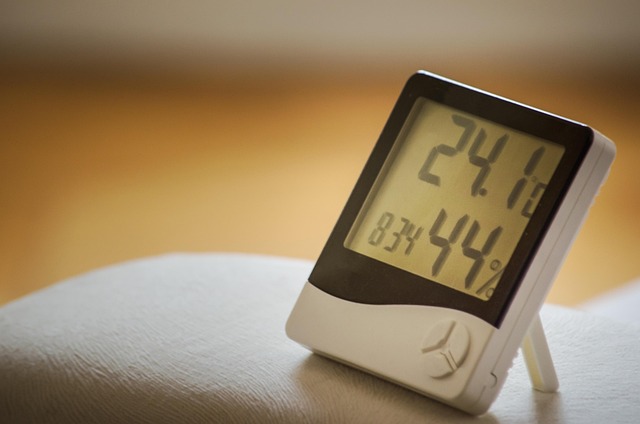
Maintaining optimal indoor humidity levels is critical for both comfort and air quality. Both excessively high and very low humidity can create problems.
High humidity (above 60%) creates an environment where mold, mildew, and dust mites can thrive, exacerbating allergies and asthma. It can also lead to condensation on windows and walls, causing structural damage and promoting mold growth. Using exhaust fans in bathrooms and kitchens, running a dehumidifier in damp areas like basements, and ensuring proper ventilation are key strategies. The EPA recommends maintaining indoor humidity levels between 30% and 50% as of 2026.
Conversely, very low humidity (below 30%) can cause dry skin, irritated sinuses, and make you more susceptible to colds and other respiratory infections. It can also damage wooden furniture and musical instruments. A humidifier can help increase indoor humidity during dry seasons, but it’s important to clean humidifiers regularly to prevent mold and bacteria growth.
Consistent Care: Regular Cleaning and Maintenance
A diligent cleaning routine is foundational to improving and maintaining good home air quality.
Regular vacuuming with a vacuum cleaner equipped with a HEPA filter can trap fine particles that might otherwise be recirculated. Aim to vacuum carpets, rugs, and upholstery at least once or twice a week. Dust surfaces with a damp cloth or microfiber duster to capture dust instead of scattering it. Wash bedding frequently in hot water to kill dust mites. Pay attention to areas prone to dust accumulation, such as bookshelves, ceiling fans, and air vents.
Beyond daily cleaning, schedule regular maintenance for your home’s systems. As noted by Home Alliance (2026), maintaining your HVAC system, including regular filter changes and professional tune-ups, is vital. This ensures it operates efficiently and doesn’t contribute to indoor air pollution. Inspecting for and addressing any signs of water damage or leaks promptly can prevent mold growth, a significant contributor to poor IAQ.
Bringing Nature In: Plants and Natural Solutions
While not a replacement for other IAQ strategies, incorporating houseplants can offer a subtle yet beneficial boost to your home’s air quality.
Certain plants are known for their ability to filter common indoor air pollutants. For instance, the NASA Clean Air Study identified several plants, such as the Spider Plant, Snake Plant, and Peace Lily, as effective at removing VOCs like formaldehyde and benzene from the air. While the EPA notes that the air-purifying capacity of houseplants in a typical home setting is likely modest compared to mechanical filtration, they do contribute to a more pleasant and potentially healthier environment. They also add aesthetic value and can improve mood.
Beyond plants, natural air fresheners like essential oil diffusers (used sparingly to avoid overwhelming scents) or simply opening windows can be preferable to synthetic sprays that often release VOCs. Simmering citrus peels or spices on the stove can also create a pleasant, natural aroma.
Know Your Air: Testing and Monitoring
To truly understand and manage your home’s air quality, consider using IAQ monitors or testing kits.
These devices can measure various parameters such as particulate matter (PM2.5), VOCs, carbon dioxide (CO2), temperature, and humidity. Some monitors offer real-time readings and alerts, helping you identify specific issues and track the effectiveness of your improvement efforts. For example, a spike in CO2 levels might indicate a need for increased ventilation, while high PM2.5 readings could point to cooking emissions or outdoor pollution infiltration.
Specific tests are also available for particular concerns. Radon testing kits, for instance, are crucial for detecting this naturally occurring radioactive gas that can seep into homes from the ground. According to the EPA (2026), radon is a leading cause of lung cancer in non-smokers, making testing and mitigation essential in affected areas. Understanding your home’s specific IAQ challenges through testing allows for more targeted and effective solutions.
Common Pitfalls in Improving Home Air Quality
Even with the best intentions, homeowners can make mistakes that hinder their efforts to improve air quality.
One common mistake is relying solely on air fresheners to mask odors, which often only adds more VOCs to the air without addressing the root cause. Another is neglecting regular maintenance of HVAC systems and air filters; a clogged filter dramatically reduces efficiency and can recirculate pollutants. Over-humidifying a home, particularly with portable humidifiers that aren’t cleaned regularly, can inadvertently create breeding grounds for mold and bacteria. Finally, focusing only on one aspect, like filtration, while ignoring source control or ventilation, will yield suboptimal results. A complete approach is always best.
Expert Insights for Sustainable Air Quality
To achieve lasting improvements in your home’s air quality, consider these expert recommendations:
Prioritize Source Control: It’s always more effective to prevent pollution than to remove it. Be mindful of the products you bring into your home. Invest in Good Filtration: Use high-MERV HVAC filters and consider portable HEPA air purifiers for key areas. Ventilate Strategically: Ensure consistent fresh air exchange, especially during activities that generate pollutants. Manage Humidity: Keep levels between 30-50% using dehumidifiers or humidifiers as needed, and maintain them meticulously. Regular Audits: Periodically assess your home for potential IAQ issues, such as leaks or new sources of emissions.
As of June 2026, the focus on IAQ continues to grow, with advancements in smart home monitoring and filtration technologies offering new ways to maintain a healthy indoor environment. Proactive and consistent management is key.
Frequently Asked Questions
How often should I change my home’s air filters?
As of June 2026, it’s generally recommended to change HVAC filters every 1–3 months, depending on the filter type and household conditions. For high-efficiency filters (like MERV 13), check manufacturer recommendations, but monthly checks are often advisable.
Can houseplants really clean my home’s air effectively?
While houseplants can contribute to air purification by filtering some VOCs, their impact in a typical home is modest. They are best used as a supplementary measure alongside proper ventilation and filtration, rather than a primary solution.
What is the most important factor for good indoor air quality?
The most critical factors are source control and adequate ventilation. Preventing pollutants from entering the air and ensuring consistent fresh air exchange are foundational for a healthy indoor environment.
How can I tell if my home has poor air quality?
Signs include persistent odors, excessive dust, recurring allergy or asthma symptoms, condensation on windows, and stale or stuffy air. Using an indoor air quality monitor can provide objective data.
Is professional air duct cleaning necessary for improving home air quality?
Professional cleaning can be beneficial if there’s evidence of significant contamination or blockages in your ducts. However, for most homes without specific issues, regular HVAC filter changes and general cleaning are more impactful and cost-effective for improving IAQ.
What are the health risks associated with poor indoor air quality?
Poor IAQ can lead to headaches, fatigue, dizziness, respiratory problems (like asthma exacerbation and bronchitis), allergic reactions, and in severe or long-term cases, can contribute to heart disease and certain cancers.
Last reviewed: June 2026. Information current as of publication; pricing and product details may change.
Editorial Note: This article was researched and written by the Day Spring Management editorial team. We fact-check our content and update it regularly. For questions or corrections, contact us. For readers asking “How to improve home air quality”, the answer comes down to the specific factors covered above.