What Exactly is Poplar Wood?
Most people encounter poplar wood without even realizing it. It’s the quiet workhorse of the lumber world, often found in painted furniture, drawer interiors, and even some construction framing. But what makes this seemingly humble wood so prevalent? As of June 2026, poplar continues to be a go-to material for woodworkers and manufacturers alike, largely due to its accessible price point and ease of use.
Poplar, botanically belonging to the Populus genus, isn’t your typical ‘hardwood’ in the way an oak or maple is. While it’s botanically classified as a hardwood (meaning it comes from deciduous trees with broad leaves), its physical properties often lean towards what many consider a softwood. This unique duality is a key reason for its widespread adoption across a variety of applications, from fine woodworking to more utilitarian purposes.
- Poplar wood is a versatile hardwood, often mistaken for softwood due to its lighter density and ease of workability.
- Its affordability and excellent paint-holding capabilities make it a staple in painted furniture and cabinetry.
- While not as durable as oak or maple, poplar offers good stability and is suitable for many interior applications.
- Poplar’s natural color variations can range from creamy white to greenish-yellow and even purplish streaks.
- As of 2026, poplar remains a cost-effective choice for DIYers and manufacturers seeking a reliable wood for non-structural interior projects.
A Closer Look at Poplar Wood’s Traits
When we talk about poplar wood, we’re usually referring to species like yellow poplar (Liriodendron tulipifera), which is native to eastern North America. This tree, also known as tulip tree or tulip poplar, is one of the tallest hardwoods in the region, and its wood is what most people mean when they say ‘poplar’.
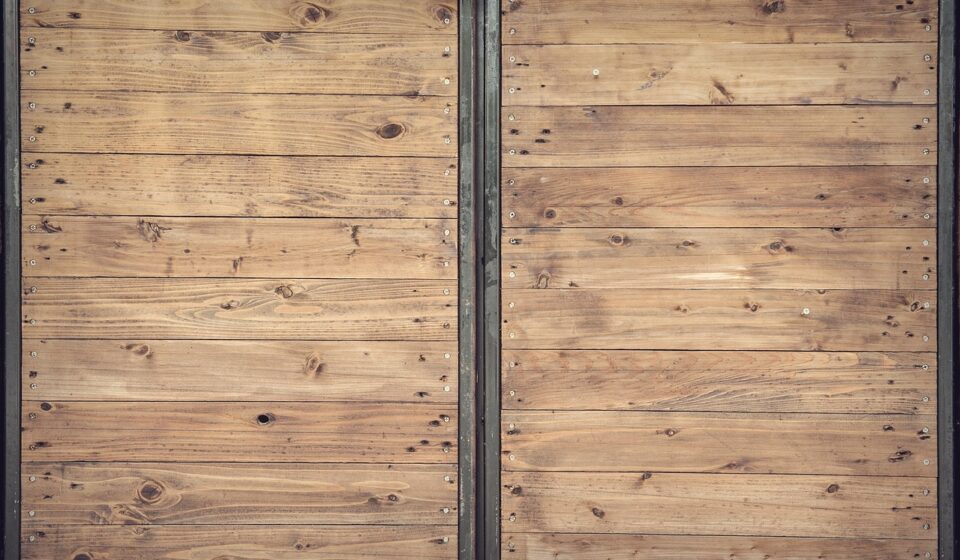
One of the most defining features of poplar is its color. It’s rarely a uniform shade. You’ll often find a mix of creamy white sapwood and heartwood that can range from pale yellow to greenish-brown, sometimes even sporting purplish or dark streaks. These natural variations mean that poplar often benefits from staining or painting to achieve a consistent look. However, for some rustic applications, these color variations can add character.
Density-wise, poplar is relatively lightweight and soft compared to other hardwoods. Its Janka hardness rating, a measure of resistance to denting and wear, typically falls between 540 and 800 lbf (pounds-force). For context, red oak is usually around 1,290 lbf, and hard maple clocks in at about 1,450 lbf. This lower hardness means poplar can dent or scratch more easily, making it less ideal for high-traffic surfaces like flooring or tabletops that will see heavy use, unless properly protected.
That said, its softness also makes it incredibly easy to work with. Poplar cuts, sands, carves, and machines with minimal effort, which is a significant advantage for both professional woodworkers and DIY enthusiasts. It holds screws and nails well, though pre-drilling is recommended to prevent splitting, especially near the edges.
The grain of poplar is typically straight, with a fine to medium texture. It doesn’t have the prominent, decorative grain patterns you might find in oak or walnut, contributing to its often understated appearance. This lack of strong grain can be a positive for projects where a smooth, uniform finish is desired, especially when painting.
Where Does Poplar Wood Shine? Key Uses in 2026
Poplar’s combination of affordability, workability, and stability makes it a versatile choice for a surprising range of applications. While its softness limits its use in some high-wear areas, it excels in many interior contexts.
Painted Furniture and Cabinetry
This is arguably where poplar wood truly shines. Its smooth, fine grain takes paint exceptionally well, providing a uniform surface that doesn’t telegraph the wood grain through thinner coats of paint. Its relative affordability makes it an economical choice for manufacturers producing mass-market furniture and cabinetry where aesthetics are often achieved through a painted finish rather than a natural wood look.
A common scenario involves a kitchen renovation where a homeowner opts for painted cabinets. Poplar is frequently chosen for the cabinet doors and drawer fronts because it’s stable and readily accepts primer and paint, leading to a smooth, professional finish. For instance, a homeowner might choose a classic shaker-style door made from poplar, painted in a soft grey or crisp white, achieving a high-end look without the premium price tag of maple or cherry.
Construction and Interior Millwork
Beyond furniture, poplar finds its way into various construction and millwork applications. It’s often used for interior trim, baseboards, window casings, and door frames, especially in situations where these elements will be painted. Its straight grain and ease of cutting make it simple for contractors to install.
In some regions, including parts of the US as of 2026, poplar is even used for non-structural framing lumber, particularly for interior walls where moisture resistance and extreme strength aren’t primary concerns. Its dimensional stability means it’s less prone to warping or shrinking once installed, provided it’s kept in a dry environment.
Crafts, Toys, and Hobbyist Projects
The ease with which poplar can be cut, shaped, and glued makes it a favorite among crafters and hobbyists. Whether it’s for small decorative items, wooden toys, picture frames, or even laser engraving projects, poplar offers a forgiving and affordable medium. Its light color also makes it a good base for various finishes, from simple stains to intricate painted designs.
Imagine a local artisan creating custom wooden toys. They might select poplar for small cars or building blocks because it’s lightweight, splinter-resistant when finished properly, and safe to paint with non-toxic, child-friendly finishes. The wood’s consistent texture ensures that even detailed carving or engraving comes out clean.
Plywood and Veneer Production
Poplar is a significant component in the production of some types of plywood and veneer. Its consistent texture and availability in large quantities make it suitable for the core layers of plywood, where strength and stability are needed but the surface appearance is less critical. This is particularly common in utility-grade plywood or in furniture where a veneer of a more expensive wood is applied over a poplar core.
Tool Handles and Interior Core Stock
While not strong enough for heavy-duty tool handles that require high impact resistance, poplar can be used for lighter tools or the internal core of composite handles. Its workability allows for ergonomic shaping. Similarly, it serves as an economical core material for other wood products where a less visible, less expensive wood is needed as a base.
A maker of specialty hand tools might use poplar for the core of a handle, which is then wrapped with a more durable material or finished with a protective coating. This approach balances cost and performance, using poplar’s strengths where they matter most.
Weighing the Advantages and Disadvantages
Like any material, poplar wood comes with its own set of benefits and drawbacks. Understanding these can help you make an informed decision about whether it’s the right choice for your project.
Pros of Poplar Wood
- Affordability: Poplar is one of the most budget-friendly hardwoods available on the market as of 2026. This makes it an excellent choice for large projects or for individuals working with limited budgets.
- Excellent Workability: It cuts, sands, carves, and machines with remarkable ease. This low resistance means less wear on tools and a more pleasant working experience, especially for beginners.
- Superior Paintability: Poplar’s fine, uniform texture and lack of pronounced grain make it an ideal substrate for paint. It accepts primer and paint smoothly, often resulting in a flawless finish that can rival more expensive woods.
- Good Stability: When properly dried and kept in stable interior environments, poplar exhibits good dimensional stability. It’s less prone to excessive warping or shrinking compared to some other woods.
- Lightweight: Its lower density makes it easier to handle, transport, and install, which can be a significant advantage in construction and furniture assembly.
- Accepts Adhesives Well: Poplar glues effectively, allowing for strong joints in various woodworking applications.
Cons of Poplar Wood
- Softness and Susceptibility to Damage: Its low Janka hardness rating means poplar dents, scratches, and gouges relatively easily. This makes it unsuitable for high-traffic surfaces like tabletops, flooring, or high-use cabinetry without strong protective finishes.
- Color Inconsistency: The natural variations in color, from creamy white to greenish-yellow and dark streaks, can be a challenge if a uniform natural wood look is desired. This often necessitates painting or a carefully executed staining process.
- Not Ideal for Exterior Use: Poplar has poor resistance to rot and insect infestation. It should not be used for outdoor projects unless thoroughly treated with preservatives and protected by a waterproof finish, and even then, its longevity is questionable.
- Limited Structural Strength: While suitable for some non-structural framing, it lacks the sheer strength and stiffness of woods like oak or Douglas fir, making it inappropriate for load-bearing applications or demanding structural components.
- Can Splinter: While generally easy to work, if not cut or sanded properly, poplar can produce splinters.
- Not for Detailed Carving of Fine Woodworking: While easy to carve, the lack of prominent grain and its softness mean it doesn’t hold fine detail as crisply or as permanently as denser hardwoods for intricate sculptural work.
Poplar Wood vs. Other Common Lumber Choices
When choosing lumber, comparing poplar to other readily available options is crucial. Each wood has its niche, and understanding these differences helps you select the best material for your specific needs.
Poplar vs. Pine
Pine, particularly common varieties like Southern Yellow Pine or White Pine, is often compared to poplar. Both are relatively soft hardwoods (or in pine’s case, a softwood) and are budget-friendly. Pine typically has a more pronounced grain pattern, often with knots, which gives it a more rustic or traditional look. Poplar, with its straighter, finer grain, is generally preferred for painted finishes, while pine is often chosen for stained projects or when a knotty appearance is desired.
Pine can be slightly harder than poplar, offering a bit more resistance to dents. According to various lumber suppliers in 2026, both are priced similarly, though regional availability and specific species can cause fluctuations. For example, a 1x6x8′ board of common pine might range from $5-$10, with poplar being in a similar bracket.
Poplar vs. Oak
Oak, both red and white, is a much harder and denser wood than poplar. This makes oak significantly more durable and resistant to dents and scratches, a clear advantage for flooring, tabletops, and high-wear furniture. Oak also features a much more prominent, attractive grain pattern that’s highly prized for stained finishes. However, oak is considerably more expensive and harder to work with.
Poplar’s advantages over oak lie in its lower cost, lighter weight, and superior ability to accept paint. For painted cabinets or basic utility furniture, poplar is often the more practical choice. For furniture that highlights natural wood beauty and requires high durability, oak is usually preferred.
Poplar vs. Maple
Maple is another hard, dense wood that rivals oak in durability and cost. It’s known for its fine, even texture and subtle grain, making it excellent for both stained and painted finishes, though it often commands a higher price than poplar. Maple’s hardness makes it very resistant to wear, making it a top choice for butcher blocks, high-end cabinetry, and furniture. Poplar is essentially the budget-friendly alternative to maple. If you need the smooth finish of maple but your budget is tight, poplar is a viable option, especially if painting. If the natural beauty of maple’s subtle figuring or its superior hardness is essential, then poplar won’t suffice.
Poplar vs. MDF and Plywood
Medium-Density Fiberboard (MDF) and plywood are engineered wood products. MDF is made from wood fibers mixed with resin and compressed, creating a very stable, smooth surface perfect for painting but very heavy and susceptible to water damage. Plywood is made of thin wood veneers glued together. Poplar is often used as the core material for plywood or as a veneer.
When comparing solid poplar to MDF or utility-grade plywood, poplar offers better structural integrity and is easier to repair if damaged. However, MDF offers unparalleled smoothness for painting and is generally cheaper than solid poplar. Plywood, especially higher grades, can offer superior stability and strength across its width compared to solid wood of the same thickness, but its layered appearance isn’t always desirable.
Tips for Working With and Finishing Poplar Wood
Given its unique characteristics, working with poplar requires a few considerations to ensure the best results. Fortunately, its ease of use generally makes these straightforward.
Surface Preparation is Key
Because poplar’s color can be inconsistent, thorough preparation is vital, especially if you plan to stain it. Start by sanding the wood progressively through finer grits (e.g., 100, 150, 220). For staining, applying a pre-stain wood conditioner is highly recommended. This helps to even out the absorption of the stain, preventing blotchiness, particularly in the denser heartwood areas.
Mastering the Painted Finish
For painted projects, poplar is a dream. Start with a high-quality primer designed for wood. Two coats are often better than one, filling in any minor imperfections and providing a uniform base. Lightly sand between primer coats for an exceptionally smooth finish. Then, apply your chosen paint (latex, oil-based, or even spray paint) in thin, even coats. For durability, consider a topcoat of polyurethane or a clear lacquer, especially for surfaces that might see regular contact.
Staining Poplar: Strategies for Uniformity
If you’re aiming for a stained finish, patience and the right products are your best friends. As mentioned, a pre-stain conditioner is almost essential. When applying the stain, work in small sections, wiping off excess evenly. For a deeper, more uniform color, consider using a gel stain, which sits more on the surface and is less prone to blotching than traditional penetrating stains. Alternatively, you can use a dye stain to add color and then follow up with a clear topcoat for protection. Remember that the greenish and purplish hues in poplar heartwood can sometimes influence the final stain color, so always test your finish on a scrap piece first.
Joinery and Assembly Techniques
Poplar is amenable to most common joinery methods, including butt joints, dados, rabbets, and mortise and tenon. Screws, nails, and glue all hold well. However, due to its softness, avoid using it for joinery that will be subjected to extreme stress or constant movement. For cabinet construction, pocket screws are a popular and effective method for joining poplar panels.
Enhancing Durability
To combat poplar’s natural softness, applying a durable finish is crucial for anything beyond purely decorative items. Polyurethane, varnish, lacquer, or epoxy coatings can significantly improve its resistance to scratches, dents, and moisture. For high-contact surfaces like a workbench or a hobby table, multiple thick coats of a tough clear finish are recommended.
The Price Tag: Poplar Wood Cost and Availability
As of June 2026, poplar remains one of the most competitively priced hardwoods available. Its widespread growth across North America and efficient harvesting and milling processes contribute to its affordability.
Prices can vary based on region, lumber grade, and whether you’re buying rough-cut lumber or finished boards from a big-box store. Generally, you can expect to pay anywhere from $3 to $7 per board foot for good quality poplar lumber. For example, a common size like a 1×6 board that’s 8 feet long might cost between $5 and $10. This makes it significantly cheaper than hardwoods like oak, maple, or cherry, which can easily cost $8-$15 per board foot or more.
Availability is excellent throughout much of North America. Most lumberyards, home improvement stores, and specialty woodworking suppliers carry poplar. It’s readily available in common dimensions like 1×4, 1×6, 1×8, 2×4, and 2×6, as well as in wider boards and plywood sheets.
The consistent availability and low cost mean that projects requiring large quantities of wood, such as building multiple pieces of painted furniture or extensive interior trim work, become much more economically feasible with poplar.
Common Pitfalls to Avoid with Poplar Wood
While poplar is forgiving, certain mistakes can lead to disappointing results. Being aware of these common issues can help you sidestep them.
Mistake 1: Using Poplar for Outdoor Projects
Poplar has very little natural resistance to decay, moisture, and insects. Using it for decks, outdoor furniture, or anything exposed to the elements is a recipe for premature failure. Unless it’s been specifically treated for outdoor use and is protected by an appropriate finish, stick to interior applications.
Mistake 2: Expecting a Uniform Natural Wood Finish
If your heart is set on a beautiful, consistent natural wood grain for your project, poplar is probably not the best choice. Its inherent color variations and subtle grain pattern can lead to blotchy or uneven results when stained. While it can be done with careful preparation, it often requires more effort than using a wood with a more uniform appearance.
Mistake 3: Not Applying a Durable Protective Finish
Because poplar is soft, it’s easily damaged. For any piece that will be handled, moved, or subjected to daily use, skimping on the protective topcoat is a mistake. A strong finish—be it polyurethane, lacquer, or epoxy—is essential to prevent dents, scratches, and wear.
Mistake 4: Forgetting to Pre-drill
While poplar is soft, it can still split, especially near the ends or edges, when driving screws or nails. Always pre-drill pilot holes that are slightly smaller than the fastener’s diameter to prevent the wood from splitting and ensure a secure fit.
Is Poplar Wood Right for Your Project?
Poplar wood stands out as a highly practical and economical choice for a wide array of interior woodworking projects. Its affordability, ease of use, and exceptional ability to accept paint make it a favorite for painted furniture, cabinetry, interior trim, and various craft applications. While its softness and color inconsistency mean it’s not suitable for every job, particularly those requiring high durability or a prominent natural wood grain, its advantages often outweigh its limitations for the right project.
As of June 2026, poplar wood continues to be a staple in the woodworking community, offering a reliable and cost-effective material for both seasoned professionals and enthusiastic DIYers. By understanding its characteristics and potential drawbacks, you can effectively use poplar wood to create beautiful and functional pieces without breaking the bank.
Last reviewed: June 2026. Information current as of publication; pricing and product details may change.
Frequently Asked Questions
What is poplar wood?
poplar wood is a topic that many people search for. This article provides a thorough overview based on current information and expert analysis available in 2026.
Why does poplar wood matter?
Understanding poplar wood helps you make better decisions. Whether you’re a beginner or have some experience, staying informed on this topic is genuinely useful.
Where can I learn more about poplar wood?
We recommend checking authoritative sources and official websites for the most current information. This article is regularly updated to reflect new developments.
Source: Britannica
Related Articles
- John Jassen: Beyond the Headlines
- Karen Carney Net Worth: Unpacking Her Financial Journey
- How to Redownload TikTok on iPhone in 2026: Your Simple Guide
Editorial Note: This article was researched and written by the Day Spring Management editorial team. We fact-check our content and update it regularly. For questions or corrections, contact us.