


What Exactly is Prosecco?
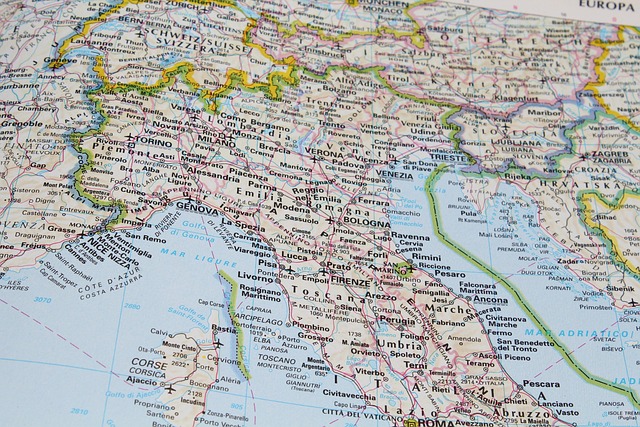
Prosecco is an Italian sparkling wine, recognized by its Denominazione di Origine Controllata (DOC) or Denominazione di Origine Controllata e Garantita (DOCG) status. This designation signifies its protected origin and adherence to specific production standards. It hails from a designated zone in Italy, primarily spanning nine provinces across the Veneto and Friuli-Venezia Giulia regions. The wine is named after the village of Prosecco, located near Trieste. While historically made from the Prosecco grape, this grape was officially renamed Gera in 2009 to protect the Prosecco name for its designated regions.
Last updated: June 18, 2026
The rules governing Prosecco production allow for up to 15% of other permitted grape varieties to be blended in, though the Gera grape is the star, making up the vast majority of the blend. This focus on Gera contributes to Prosecco’s characteristic crispness and aromatic profile.
A Sip Through History: The Origins of Prosecco
Prosecco’s roots trace back centuries, with evidence suggesting winemaking in the region dates back to Roman times. However, the wine we recognize today began to take shape more recently. The village of Prosecco, near Trieste, gave the wine its original name. The transition to the Gera grape name in 2009 was a significant move to safeguard the integrity of the Prosecco DOC and DOCG designations, ensuring that only wines from these specific Italian territories could bear the name.
The hills of Conegliano and Valdobbiadene, nestled between the towns of Conegliano and Valdobbiadene, are particularly renowned. This area was recognized in 2019 as a UNESCO World Heritage Site, partly due to the picturesque landscape shaped by centuries of viticulture, specifically for Prosecco production. Wines from this specific DOCG area are often referred to as Prosecco Superiore and are exclusively still sparkling (Spumante).
How Prosecco Gets Its Sparkle: The Charmat Method
Unlike Champagne, which famously undergoes a second fermentation in the bottle (the traditional method), Prosecco primarily uses the Charmat method, also known as the tank method. This process involves a secondary fermentation in large, pressurized stainless-steel tanks.
This method is more efficient and cost-effective, contributing to Prosecco’s generally lower price point compared to other sparkling wines. The Charmat method tends to preserve the fresh, fruity, and floral aromas of the Gera grape, resulting in a wine that’s bright and zesty, rather than yeasty or toasty like some traditional method sparkling wines.
The result is a wine that’s typically lighter in body and alcohol content, with vibrant notes of green apple, pear, honeysuckle, and sometimes a hint of almond. According to the Italian government’s agricultural statistics, production volumes for Prosecco have seen steady growth, with over 600 million bottles produced annually as of 2026, making it a dominant force in the global sparkling wine market.
Understanding the Styles: Spumante, Frizz ante, and Tranquillo
Prosecco isn’t a one-size-fits-all beverage. It’s classified into three main styles based on its level of effervescence:
Spumante
This is the fully sparkling version, characterized by high levels of carbonation and persistent bubbles. It’s the most common style found internationally and is often the preferred choice for celebrations. According to Wine Folly, Spumante Prosecco typically has about 4–5 atmospheres of pressure. The Prosecco Superiore DOCG wines are always Spumante.
Frizzante
Frizzante, meaning ‘fizzy’ or ‘sparkling,’ refers to a semi-sparkling Prosecco. It has lighter bubbles that are less persistent than Spumante, often described as a gentle effervescence. The pressure is lower, typically around 1–2.5 atmospheres. This style can be a great choice if you find Spumante a bit too intense.
Tranquillo
Tranquillo means ‘still’ and refers to a non-sparkling version of Prosecco. This style is less common and primarily found in the local Italian market. It offers a subtle expression of the Gera grape’s fruitiness without the bubbles.
Prosecco vs. Other Sparkling Wines: What’s the Difference?
The most common comparison is with Champagne, another globally recognized sparkling wine. While both are celebratory, they differ significantly in grape varietals, production methods, and resulting taste profiles.
Grape Varieties
Prosecco is predominantly made from the Gera grape, yielding a wine with primary fruit and floral aromas. Champagne, on the other hand, is typically made from a blend of Chardonnay, Pinot Noir, and Pinot Meunier, which contribute to its complex, toasty, and sometimes brioche-like notes.
Production Method
As mentioned, Prosecco largely uses the Charmat (tank) method, emphasizing freshness. Champagne employs the traditional (bottle) method, creating finer bubbles and richer, more complex flavors developed through aging on lees (spent yeast cells).
Taste Profile and Price
Prosecco generally offers vibrant notes of green apple, pear, honeysuckle, and citrus, with a lighter body and a crisp finish. It’s often more affordable, with many excellent bottles available between $12-$25 as of June 2026. Champagne, due to its complex production and aging, tends to have richer flavors of baked apple, citrus, toast, and almond, and typically commands a higher price, often starting from $40-$50 and going much higher. As of 2026, Food Network reported that over 80% of consumers reach for Prosecco when seeking an affordable yet festive sparkling wine option.

Choosing the Right Prosecco: A Buyer’s Guide
With so many bottles on the shelf, selecting the perfect Prosecco can feel daunting. Here are some key factors to consider:
Understanding the Labels: DOC and DOCG
Always look for the DOC or DOCG labels. DOC (Denominazione di Origine Controllata) indicates that the wine meets the quality and origin standards for its region. DOCG (Denominazione di Origine Controllata e Garantita) is the higher tier, meaning the wine has undergone stricter controls and analysis. For the best quality, seek out Prosecco Superiore DOCG wines from Conegliano Valdobbiadene or Asolo.
Sweetness Levels
Terms like Brut indicats prosecco sweetness, Extra Dry, Dry, and Demi-Sec. Don’t let the names fool you:
- Brut: The driest style, with minimal residual sugar. Ideal for those who prefer a crisp, less sweet wine.
- Extra Dry: Confusingly, this is slightly sweeter than Brut. It’s the most popular style in the US and UK, offering a balance of dry and slightly sweet notes.
- Dry: Even sweeter than Extra Dry. This style is less common for Prosecco but is available.
- Demi-Sec: The sweetest style, best for those who enjoy a pronounced fruity sweetness.
As of June 2026, the market shows a strong preference for Brut and Extra Dry styles, but exploring the sweeter options can be rewarding for specific pairings.
Vintage vs. Non-Vintage
Most Prosecco is non-vintage (NV), meaning it’s a blend of wines from different years to ensure a consistent style. Vintage Prosecco (Millesimato) indicates that the wine comes from a single year’s harvest. While this can signify a particularly good year, it’s not always an indicator of superior quality, as Prosecco is generally meant to be drunk young and fresh.
Serving and Pairing Your Prosecco
To best enjoy Prosecco, serve it well-chilled. The ideal temperature is between 6-8°C (43-46°F). Use a tulip-shaped flute or a white wine glass to appreciate its aromas. Avoid serving it too cold, as this can mute its delicate flavors and aromas.
Prosecco’s crisp, fruity profile makes it incredibly versatile for food pairings:
- Appetizers: Its acidity cuts through rich starters like charcuterie, cheese boards, or fried foods.
- Seafood: It pairs beautifully with lighter seafood dishes, such as grilled shrimp, oysters, or white fish.
- Light Salads: A dry Prosecco can complement vinaigrette-based salads without overpowering them.
- Brunch: It’s the star of Mimosas and Bellinis, but also stands on its own with lighter brunch fare.
- Spicy Cuisine: An Extra Dry or Dry Prosecco can offer a pleasant contrast to moderately spicy Asian or Latin American dishes.
For those seeking a budget-friendly option for brunch cocktails, many consumers find that a standard Prosecco DOC, often priced around $10-$15, works wonderfully for Mimosas, as the orange juice and other mixers mask subtle differences in quality. According to a 2025 consumer survey by Beverage Dynamics, Prosecco accounts for nearly 85% of all sparkling wine used in brunch cocktails in the US.
Common Mistakes to Avoid When Buying or Serving Prosecco
Even with a great guide, a few missteps can detract from the Prosecco experience. Here are some common pitfalls:
Buying Old Prosecco
Prosecco is not meant for aging. Unlike some wines, its charm lies in its youthful freshness. Aim to purchase Prosecco from recent vintages, ideally within 1–2 years of its bottling date, and consume it within a year of purchase. Older bottles will lose their sparkle and vibrancy.
Serving it Too Warm
As mentioned, serving Prosecco at room temperature or slightly chilled is a mistake. It should be thoroughly chilled to maximize its effervescence and crispness. A wine fridge or an ice bucket is your best friend here.
Overpaying for Basic Prosecco
While Prosecco Superiore DOCG offers exceptional quality, you don’t always need to spend a fortune to enjoy a good bottle. Standard Prosecco DOC wines can be fantastic, especially for casual sipping or mixing into cocktails. As of June 2026, many reliable Prosecco DOC bottles can be found for under $15, offering excellent value.
Mistaking Sweetness Terms
The terms Brut, Extra Dry, and Dry can be confusing. Remember: Brut is the driest, while Extra Dry is slightly sweeter, and Dry is sweeter still. Always check the label for the specific sweetness level if you have a preference.
Expert Tips for Enjoying Prosecco
To truly elevate your Prosecco experience, consider these expert insights. When evaluating a Prosecco, pay attention not just to the flavor but also the mouthfeel and finish. A well-made Prosecco will have lively, fine bubbles and a clean, refreshing finish that leaves you wanting another sip. For example, a high-quality Prosecco Superiore from the Conegliano Valdobbiadene DOCG will often exhibit a more complex aromatic profile and a longer, more nuanced finish compared to a basic DOC bottling.
If you’re hosting a party, consider offering a choice of Prosecco styles. Having both a Brut and an Extra Dry can cater to different palates and food pairings. For instance, a Brut is excellent with oysters, while an Extra Dry might be better suited to slightly sweeter hors d’oeuvres. The price difference between a good DOC and a DOCG Prosecco is often minimal, making the upgrade for special occasions quite accessible. According to market data from 2025, the average price difference between a standard Prosecco DOC and a Prosecco Superiore DOCG was less than $10.
Frequently Asked Questions
Is Prosecco always sweet?
No, Prosecco comes in various sweetness levels, from very dry (Brut) to quite sweet (Demi-Sec). Brut is the driest, while Extra Dry is slightly sweeter. The terms on the label indicate the residual sugar content.
How long does Prosecco last after opening?
Once opened, Prosecco is best consumed within 1–3 days. Use a sparkling wine stopper to preserve the bubbles. After this time, the effervescence will significantly diminish, impacting its quality.
Can I age Prosecco?
Prosecco is made to be enjoyed young and fresh, typically within 1-2 years of its release. It doesn’t benefit from aging and will lose its characteristic sparkle and fruity notes over time.
What is the difference between Prosecco and Cava?
Prosecco is Italian and primarily made with the Charmat method, focusing on fresh fruit flavors. Cava is Spanish, made with the traditional method (like Champagne), resulting in more complex, toasty notes.
What is the best Prosecco for Mimosas?
For Mimosas, a more affordable Prosecco DOC, such as an Extra Dry or even a Dry style, works wonderfully. The sweetness of the juice complements the wine, and subtle quality differences are often masked.
Where is Prosecco made?
Prosecco is made in a specific region of northeastern Italy, primarily in the Veneto and Friuli-Venezia Giulia regions, with the highest quality designated wines coming from Conegliano Valdobbiadene and Asolo DOCG areas.
Conclusion: Sip and Savor
As of June 2026, Prosecco continues to be a delightful and accessible choice for anyone seeking a glass of something bubbly. Its versatility, range of styles, and Italian charm make it a go-to for celebrations, everyday enjoyment, and creative cocktails. By understanding its origins, production, and labeling, you can confidently choose a Prosecco that perfectly suits your palate and occasion. Pop a cork and enjoy the vibrant taste of Italy!
Last reviewed: June 2026. Information current as of publication; pricing and product details may change.
Editorial Note: This article was researched and written by the Day Spring Management editorial team. We fact-check our content and update it regularly. For questions or corrections, contact us.