
continue to unfold for Espinal and his family.
Who is Daniel Fuentes Espinal?
Daniel Fuentes Espinal is a pastor who has been leading a small Hispanic congregation in Maryland. For years, he was a recognized figure within his community, deeply involved in both religious and local activities. His family, including his wife, whom he has known since their teenage years, and his children, have been central to his life and the community’s support.
Last updated: June 18, 2026
Before his arrest, Those who know him described espinal as a dedicated spiritual leader and an integral part of the Talbot County community. His long tenure in the area, coupled with his community involvement, made his detention a point of concern and mobilization for many.

The ICE Arrest and Visa Overstay
The events leading to Daniel Fuentes Espinal’s arrest by ICE agents on July 21, 2025, stem from an alleged overstay of his visitor’s visa. Reports indicate that Espinal had been residing in the United States for approximately 25 years beyond the duration permitted by his initial visa. This situation, while often complex, can lead to detention and deportation proceedings under U.S. immigration law.
Immigration and Customs Enforcement (ICE) conducts enforcement actions based on various factors, including visa violations. The arrest was reportedly part of a broader sweep, and Espinal’s case highlighted the often-unseen personal consequences of extended visa overstays and the stringent application of immigration policies. The Christian Broadcasting Network (CBN) reported that his family described his situation as a “Green Card ‘Bureaucratic Nightmare,'” suggesting potential long-standing efforts to regularize his status that faced significant delays.
Community Rallies for Release
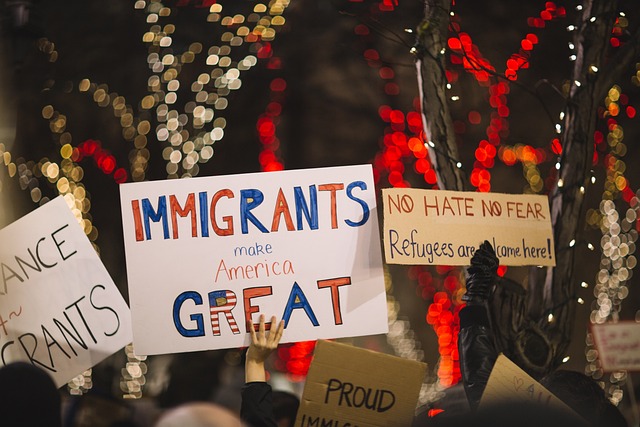
News of Daniel Fuentes Espinal’s detention quickly galvanized his community in Easton, Maryland. Supporters, including members of his congregation and local residents, organized efforts to advocate for his release. These actions often involve petitions, public demonstrations, and direct appeals to elected officials and immigration authorities.
The community’s response underscores a common theme in immigration cases: the deep personal connections and community fabric that can be disrupted by enforcement actions. WBALTV reported that a family friend confirmed Espinal’s return home, suggesting that advocacy efforts may have played a role in his release, although the legal status of his immigration case would likely remain in process. The solidarity shown by the community demonstrates the profound impact individuals can have when they unite for a common cause.
According to CBS Baltimore, the community’s demand for his release reflected their view of Espinal as a valued member of society, not a threat. Such grassroots movements are critical in drawing attention to individual cases and influencing the broader conversation around immigration policies.
Navigating U.S. Immigration Law: Visa Overstays and Pathways
Understanding the legal landscape surrounding Daniel Fuentes Espinal’s situation involves grasping key aspects of U.S. immigration law. A visa overstay occurs when a non-citizen remains in the United States beyond the period authorized by their visa. This can have serious consequences, including bars to re-entry and difficulties in obtaining future legal status.
For individuals like Espinal, who may have been in the U.S. for an extended period, the path to legal status can be complex. While certain provisions, such as those related to marriage to a U.S. citizen or specific humanitarian programs, might offer avenues for adjustment of status, these processes are often lengthy and subject to strict eligibility requirements. The U.S. Citizenship and Immigration Services (USCIS) manages these applications, and backlogs can contribute to what families describe as bureaucratic nightmares.
The U.S. Department of State provides information on visa types and overstay penalties, noting that individuals who overstay their visas can face significant challenges in adjusting their status within the U.S. and may be required to depart the country and apply for a new visa from abroad, potentially facing a ban on re-entry. It’s crucial for individuals in such situations to seek qualified legal counsel to handle these intricate legal pathways.
The Long Road: Legal and Personal Ramifications
The arrest and detention of Daniel Fuentes Espinal, as reported by CNN, brought to the forefront the personal and familial strain caused by immigration enforcement. His wife, whom he has been with since they were teenagers, expressed hope for his release but grappled with his absence. Such cases illustrate how immigration policies can profoundly impact families, separating loved ones and creating uncertainty about the future.
The legal proceedings following an ICE arrest can be protracted. Espinal’s initial hearing was held at a Louisiana immigration facility, indicating his transfer from Maryland. The process can involve bond hearings, master calendar hearings, and potentially individual merits hearings before an immigration judge. The outcome can range from deportation to the granting of legal status, depending on the specific circumstances and evidence presented.
Beyond the legal battle, the emotional and financial toll on families is substantial. The cost of legal representation, potential fines, and the loss of income from the detained individual can create significant hardship. As of June 2026, while some reports suggest Espinal has returned home, the underlying immigration case may still be ongoing, requiring continued legal navigation and community support.
Lessons Learned and Future Implications
The case of Daniel Fuentes Espinal serves as a potent reminder of the human element within the U.S. immigration system. It highlights the challenges faced by individuals who have built lives and communities in the United States but may lack legal status due to visa overstays or other immigration complications. The community’s swift and organized response also demonstrates the power of local advocacy in bringing attention to individual cases and pushing for humane solutions.
For those in similar situations, seeking legal counsel early is paramount. Organizations like the American Immigration Lawyers Association (AILA) offer resources and can help connect individuals with qualified immigration attorneys. Understanding the specific laws and potential pathways available is the first step in navigating what can often feel like an overwhelming bureaucratic process.
The ongoing debate around immigration reform in the United States continues to be shaped by cases like Espinal’s. Advocates argue for more humane enforcement practices and pathways to legal status for long-term residents who are contributing members of society. As of June 2026, the effectiveness of current immigration policies and the potential for reform remain subjects of national discussion.
Frequently Asked Questions
What is the current status of Daniel Fuentes Espinal?
As of June 2026, reports suggest Daniel Fuentes Espinal has returned home. However, the specifics of his ongoing immigration legal proceedings, including his long-term visa status, may still be under review or require further legal action.
Why was pastor Daniel Fuentes Espinal arrested by ICE?
ICE in July 2025 arrested daniel Fuentes Espinal due to an alleged overstay of his visitor’s visa, reportedly by about 25 years, which is a violation of U.S. immigration law.
How long has Daniel Fuentes Espinal been in the U.S.?
Reports indicate that Daniel Fuentes Espinal had been residing in the United States for approximately 25 years beyond the authorized duration of his initial visa when he was arrested.
What are the potential consequences of a visa overstay?
Visa overstays can lead to detention, deportation proceedings, and bars to re-entry into the United States. They also complicate efforts to adjust one’s immigration status within the country.
How did the community respond to his arrest?
The community in Easton, Maryland, and supporters elsewhere rallied significantly, organizing protests, petitions, and advocacy efforts to demand his release and highlight the human impact of immigration enforcement.
Can a visa overstay lead to a green card?
While difficult, it’s sometimes possible to adjust status to a green card holder even with a visa overstay, often through specific provisions like marriage to a U.S. citizen or certain other humanitarian or family-based petitions, but it involves a complex legal process.
Last reviewed: June 2026. Information current as of publication; pricing and product details may change.
Editorial Note: This article was researched and written by the Day Spring Management editorial team. We fact-check our content and update it regularly. For questions or corrections, contact us.