
ate Wide Area Network: What it’s & How to Avoid Common Pitfalls” rel=”dofollow”>Common challenges involve implementation, maintenance, and adapting to evolving technological needs.
- Effective SWANs are essential for bridging the digital divide and reaching remote populations.
Why Do We Need State Wide Area Networks?
The primary goal of a State Wide Area Network is to establish a dedicated, secure Closed User Group (CUG) network. This ensures that government data and communications remain private and protected, away from the public internet. Think of it as a private highway for government information.
Last updated: June 12, 2026
This dedicated infrastructure allows for faster data transfer and more reliable connections, which are crucial for real-time applications like video conferencing for official meetings or rapid access to large datasets. For instance, a district health office might need to instantly share patient data with a state-level hospital for urgent care, a task that requires a high-bandwidth, secure connection.

How State Wide Area Networks Operate
A SWAN typically connects various government offices using a combination of leased lines, fiber optics, and sometimes satellite communication, depending on the terrain and availability. The network architecture is designed to be hierarchical, with the State Headquarters at the top, branching down to District Headquarters, and further to Block Headquarters.
For example, a state education department might use the SWAN to disseminate new curriculum guidelines to all district education offices simultaneously. These districts, in turn, would use the same network to communicate with individual school clusters within their jurisdiction. This layered approach ensures that information flows efficiently from the top down and vice versa.
The Advantages of a strong SWAN
The implementation of a State Wide Area Network brings numerous benefits to public administration. Foremost among these is the significant improvement in communication efficiency. Officials can share documents, conduct virtual meetings, and access centralized databases with ease.
Data security is another paramount advantage. By operating as a CUG, SWANs minimize the risk of unauthorized access and cyber threats, which is vital when handling sensitive citizen data or national security information. According to the Department of Telecommunications’ e-Governance initiatives overview in 2026, the secure nature of SWANs was a key factor in their widespread adoption for critical government functions.
Navigating the Pitfalls: Common SWAN Challenges
Despite their crucial role, implementing and managing a State Wide Area Network isn’t without its hurdles. One of the most common mistakes is underestimating the complexity of setting up and maintaining such a vast network. This often leads to budget overruns and delayed project timelines.
Another significant challenge is ensuring consistent bandwidth and uptime, especially in remote or rural areas where infrastructure might be less developed. Connectivity issues can cripple e-governance service delivery. For instance, a rural Block office relying on the SWAN for its digital land record system might face disruptions if the leased line connection is unstable, impacting farmers needing to access their land documents.
Bridging the Digital Divide: Rural and Remote Connectivity
A key objective of SWAN projects is to extend digital connectivity to underserved areas. This is often achieved through a hybrid approach, combining fiber optics for denser regions with satellite or other wireless technologies for remote locations. The National e-Governance Plan explicitly aims to reduce the digital divide.
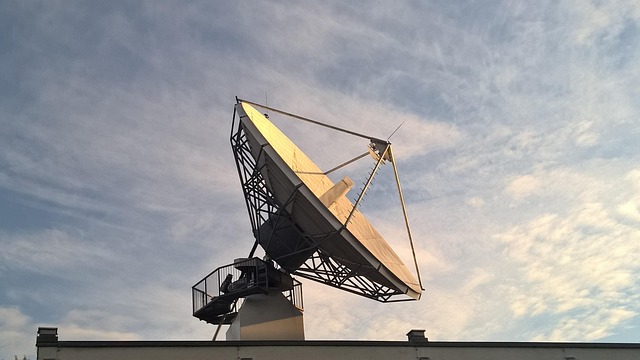
Consider a remote tribal district where setting up fiber optic cables is prohibitively expensive. A SWAN implementation in such a scenario might use VSAT (Very Small Aperture Terminal) satellite technology to provide essential internet access for the district administration and local health sub-centers. This ensures that citizens in even the most isolated areas can access digital government services.
Best Practices for SWAN Security and Maintenance
Maintaining the security and operational integrity of a SWAN requires continuous vigilance and adherence to best practices. Regular security audits, strong access control policies, and prompt patching of vulnerabilities are non-negotiable. According to recent cybersecurity reports from government IT agencies in 2026, phishing and ransomware attempts remain high, underscoring the need for constant defense.
Effective maintenance also involves proactive monitoring of network performance and timely upgrades. A common oversight is failing to plan for future capacity needs, leading to bottlenecks as data traffic increases. For example, a state’s digital land records system might experience slowdowns if the network wasn’t upgraded to handle the surge in user queries after a new online portal was launched.
The Evolving world of State Wide Area Networks
As technology advances, SWANs are also evolving. The integration of newer technologies like 5G, enhanced cybersecurity measures, and cloud computing is shaping the future of government networks. The goal is to create more agile, resilient, and intelligent networks.
The National e-Governance Plan 2.0, currently under development as of June 2026, emphasizes further strengthening these networks to support advanced digital services, including IoT applications for smart city initiatives and more sophisticated data analytics for evidence-based policymaking. This evolution ensures that government infrastructure keeps pace with technological progress and citizen expectations.
Frequently Asked Questions
What is the main purpose of a State Wide Area Network?
The main purpose of a SWAN is to provide a secure, dedicated, and high-speed communication network that connects state, district, and block level government offices, enabling efficient e-governance operations.
Who typically uses a State Wide Area Network?
Government departments and agencies uss sWANs at various administrative levels, from state secretariats down to local block offices, to facilitate internal communication and service delivery.
What are the biggest challenges in implementing a SWAN?
Major challenges include the high cost of infrastructure, ensuring connectivity in remote areas, ongoing maintenance, cybersecurity threats, and the need for skilled IT personnel to manage the network.
How do SWANs contribute to digital governance?
SWANs enable digital governance by providing the necessary secure and reliable infrastructure for online service delivery, data sharing, and communication between different government tiers, reducing paperwork and improving efficiency.
Are SWANs publicly accessible?
No, SWANs are designed as Closed User Group (CUG) networks, meaning they are private networks intended only for authorized government personnel and operations, not for public internet access.
What happens if a SWAN experiences downtime?
Downtime can significantly disrupt government operations, delaying service delivery, hindering communication between offices, and potentially impacting critical functions like emergency response or data management.
Connecting Government for a Digital Future
State Wide Area Networks are foundational to modern e-governance, ensuring that government functions can operate efficiently, securely, and inclusively. As of 2026, their role continues to expand, supporting increasingly complex digital services and reaching citizens in every corner of the state.
The key takeaway for any government entity is to invest in strong planning, prioritize security, and adopt a forward-thinking approach to maintenance and upgrades to maximize the benefits of their SWAN infrastructure.
Last reviewed: June 2026. Information current as of publication; pricing and product details may change.
Editorial Note: This article was researched and written by the Day Spring Management editorial team. We fact-check our content and update it regularly. For questions or corrections, contact us.