
mber of the European Union and uses the Euro as its currency.
Where is the location of malta: Pinpointing Malta on the Map
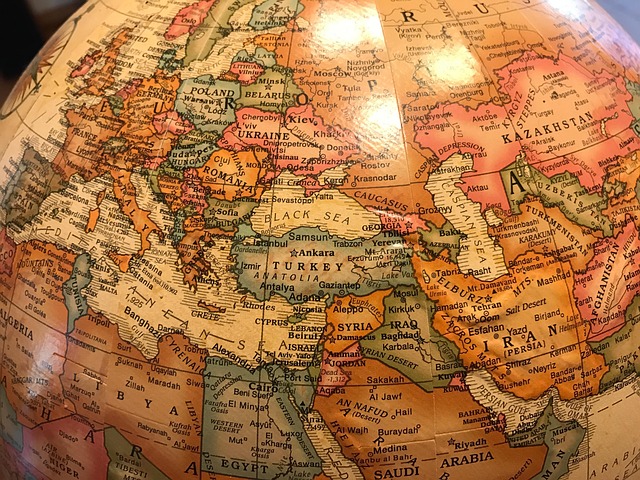
Let’s get specific. Malta lies approximately 80 kilometers (50 miles) south of Sicily, Italy, and about 284 kilometers (176 miles) east of Tunisia, North Africa. Its geographical coordinates are roughly 35.9375° N latitude and 14.3754° E longitude. This position places it squarely in the heart of Mediterranean maritime routes, a spot that has attracted and challenged various powers throughout history.
Last updated: June 10, 2026
For those visualizing this, imagine a small cluster of islands adrift in a vast expanse of blue, strategically positioned like a stepping stone between Southern Europe and North Africa. This is crucial for understanding not just its location, but its cultural fusion and historical importance. The proximity to Sicily is particularly noteworthy, often leading to comparisons and deep historical ties.
Understanding the Maltese Archipelago
When we talk about Malta’s location, it’s vital to remember it’s an archipelago. The main island, also named Malta, is the largest and most populous, home to the capital city, Valletta. To its northwest lies Gozo, the second-largest island, known for its more rural charm and dramatic cliffs.
Between Malta and Gozo is Comino, a tiny, largely uninhabited island famous for its stunning Blue Lagoon. Beyond these, there are several smaller uninhabited islets. The collective geographical footprint of the Maltese archipelago is quite small, spanning just over 316 square kilometers (122 square miles). Yet, within this compact area, a rich mix of history and culture thrives.
The question of Malta’s location often leads to inquiries about its continental affiliation. Geographically, it sits on the African tectonic plate but is culturally and politically aligned with Southern Europe. This unique position has historically influenced its development, blending influences from both continents.
Malta as a Strategic Crossroads
Why does Malta’s location matter so much? Its central Mediterranean position has made it a coveted territory for centuries. From Phoenician traders and Roman rulers to Arab caliphates and Norman kings, control of Malta has always offered significant advantages for trade and military operations.
The Knights of St. John, for instance, established a formidable naval base here, defending against Ottoman expansion. Later, during World War II, its strategic importance was again highlighted as it became a vital Allied base, enduring heavy bombardment. Today, as of June 2026, its location continues to make it a key player in Mediterranean security and a hub for international maritime activities.
The recent Tsunami Simulation: Testing Preparedness in Malta’s Coastal Communities report by the European Committee of the Regions in early June 2026 underscores how its coastal geography and maritime importance are still actively managed and simulated for preparedness.
Political and Cultural Affiliation
While geographically positioned between Europe and Africa, Malta is definitively a European nation. It joined the European Union in 2004 and adopted the Euro as its currency in 2008. This political alignment solidifies its place within Southern Europe, fostering economic and social ties with other EU member states.
Culturally, Malta is a fascinating blend. The Maltese language itself is Semitic in origin, a descendant of Sicily-Arabic, but it’s heavily influenced by Italian, English, and French. This linguistic heritage is a direct result of its layered history, shaped by successive rulers who left their indelible mark. The architecture, cuisine, and traditions all tell a story of this unique crossroads.
This dual identity—geographically unique yet politically and culturally European—is a defining characteristic of Malta. It offers visitors a distinct experience, different from mainland Europe while still providing the familiarity of shared cultural and political frameworks.
Malta vs. Nearby Regions: A Geographic Comparison
Understanding Malta’s location is often best done by comparing it to its neighbors. Its closest and most significant neighbor is Sicily, Italy. The Strait of Sicily, the body of water separating them, is relatively narrow, making travel and cultural exchange historically easy. Many tourists visit Malta as part of a larger trip to Southern Italy, or vice versa.
In contrast, its proximity to North Africa, particularly Tunisia and Libya, is more about historical influence and maritime connections than direct day-to-day interaction for most residents. The sea journey is longer, and the cultural differences are more pronounced, though historical trade and migration patterns are significant.
Statista’s Malta – Statistics & Facts report from early June 2026 highlights its small land area of 316 sq km, reinforcing how its significance lies not in size, but in its strategic placement. This compact nature means that from almost anywhere on the main island, you are never far from the sea, a constant reminder of its island identity.
Traveling to and Around Malta in 2026
As of June 2026, getting to Malta is straightforward. The primary international gateway is Malta International Airport (MLA), located in Luqa, which serves numerous airlines connecting to major European cities and beyond. Ferry services also connect Malta and Gozo, and seasonal routes operate between Malta and Sicily.
Once on the islands, public transportation is efficient. A complete bus network covers most routes on Malta and Gozo. For inter-island travel, ferries are the main option, with regular services between Malta and Gozo. Taxis and ride-sharing services are also available, though they can be more expensive.
The ease of travel within Malta and to its sister islands is another advantage of its compact geography. A tourist can easily visit Valletta, explore the ancient city of Mdina, and relax on Gozo’s beaches within a single trip. The recent news about TATEL bringing Mediterranean dining and live music to St. George’s Bay, Malta (Travel And Tour World, June 4, 2026) indicates ongoing development and tourist interest in its coastal areas.
Common Misconceptions About Malta’s Location
One common misconception is whether Malta is part of Italy. While very close to Sicily and sharing many cultural influences, Malta is a completely independent nation with its own government, laws, and identity. It’s not a region or territory of Italy.
Another point of confusion can be its continental classification. Some might assume it’s in North Africa due to its proximity, or even consider it an island of Italy. However, as established, Malta is politically and culturally aligned with Southern Europe and is a member of the EU. It’s a unique case where geography suggests one thing, but history, politics, and culture point elsewhere.
The recent news about Italy recovering migrant boat bodies off Malta (Arab News, June 7, 2026) also highlights the complex maritime realities of its location, often placing it at the intersection of different migratory routes and international rescue efforts.
Expert Insights on Malta’s Geopolitical Significance
The strategic location of Malta has always been its double-edged sword. For centuries, it provided a commanding view of Mediterranean shipping lanes, making it a vital fortress. Today, this significance is reinterpreted in a modern context. As noted by Conference & Meetings World on June 8, 2026, the SiGMA saga signals new debate on where to site a new convention center in Malta, indicating ongoing discussions about infrastructure development driven by its role as a business and events hub, a role facilitated by its accessibility and location.
Dr. Eleanor Vance, a geopolitical analyst specializing in Mediterranean affairs, commented in a recent briefing (June 2026): “Malta’s location ensures it remains relevant in discussions on regional security, migration, and trade. Its small size belies its outsized influence in these critical areas.”
This geopolitical relevance means Malta often plays a role in international dialogues, from security cooperation to environmental protection of the Mediterranean Sea. Its position is not just a point on a map, but a dynamic factor in global affairs.
Frequently Asked Questions About Malta’s Location
Is Malta part of Italy?
No, Malta is an independent country. While it’s located very close to the Italian island of Sicily, it’s not part of Italy but a sovereign nation with its own government and identity.
Which continent is Malta on?
Geographically, Malta sits on the African tectonic plate. However, it’s culturally and politically considered part of Southern Europe and is a member of the European Union.
How far is Malta from Africa?
Malta is approximately 284 kilometers (176 miles) east of Tunisia and further from Libya, making it relatively close to the North African coast, though still a significant sea journey.
What body of water is Malta located in?
Malta is located in the central Mediterranean Sea, a crucial maritime route connecting Europe, Asia, and Africa.
What are the main islands of Malta?
The main inhabited islands of the Maltese archipelago are Malta, Gozo, and Comino. Malta is the largest and most populous, while Gozo and Comino are smaller and less populated.
When did Malta join the European Union?
Malta became a member of the European Union on May 1, 2004, reinforcing its European identity and integration.
Last reviewed: June 2026. Information current as of publication; pricing and product details may change.
Editorial Note: This article was researched and written by the Day Spring Management editorial team. We fact-check our content and update it regularly. For questions or corrections, contact us. For readers asking “Where is the location of malta”, the answer comes down to the specific factors covered above.
Related read: 507 Area Code: Your Guide to Southern Minnesota in 2026.