States and Their Capitals: A 2026 Overview
As of June 2026, knowing the 50 states and their capitals is a cornerstone of understanding American geography and civics. From the bustling metropolis of Austin, Texas, to the historic charm of Albany, New York, each capital city holds unique stories and significance. This guide aims to be your definitive resource, offering clear information on every state and its capital, complete with fascinating historical context and interesting tidbits.
- Each of the 50 U.S. states has a designated capital city.
- Capitals often serve as centers for state government, culture, and commerce.
- Many state capitals were chosen for historical reasons, geographical centrality, or economic development potential.
- Understanding states and their capitals is fundamental for civic engagement and geographical literacy.
Why does the capital of California remain Sacramento, a city often overshadowed by Los Angeles and San Francisco? The answer lies in a complex history of compromise, geography, and political maneuvering, a pattern repeated across many states when choosing their governmental seats. It’s a story that adds depth to what might seem like simple trivia.
Understanding the Role of a State Capital
A state capital is far more than just a dot on the map; it’s the administrative heart of a state. Typically, this is where the state legislature convenes, the governor’s office is located, and the highest state courts are situated. These cities are the hubs for state government operations, policy-making, and public administration.
Beyond governance, state capitals often become focal points for cultural institutions, historical landmarks, and significant economic activity. They frequently host museums, art galleries, and universities, contributing to a vibrant civic life. For instance, Springfield, Illinois, is deeply intertwined with the legacy of Abraham Lincoln, making it a site of historical pilgrimage.
The selection process for a capital city has historically varied. Sometimes, it was a pre-existing major city chosen for its prominence and infrastructure. Other times, a new city was planned and built specifically to serve as the capital, often situated at a geographically central point to ensure accessibility for all state residents. This strategic placement is a key factor to consider when understanding why certain cities hold this important designation.

The 50 States and Their Capitals: A Complete List
Navigating the vastness of the United States means understanding its constituent parts. Here is a state-by-state breakdown of each state and its capital, offering a quick reference for essential geographical knowledge as of June 2026.
States A-C
- Alabama: Montgomery. Known as the birthplace of the Civil Rights Movement, Montgomery was also the first capital of the Confederacy.
- Alaska: Juneau. Unique as the only U.S. state capital not accessible by road, Juneau is nestled between mountains and the sea.
- Arizona: Phoenix. Often called the “Valley of the Sun,” Phoenix is one of the fastest-growing major cities in the U.S.
- Arkansas: Little Rock. Famous for its role in the desegregation of schools during the Civil Rights era.
- California: Sacramento. Chosen for its central location in the gold-rich region, it became the state capital in 1854.
- Colorado: Denver. Known as the “Mile-High City” due to its elevation.
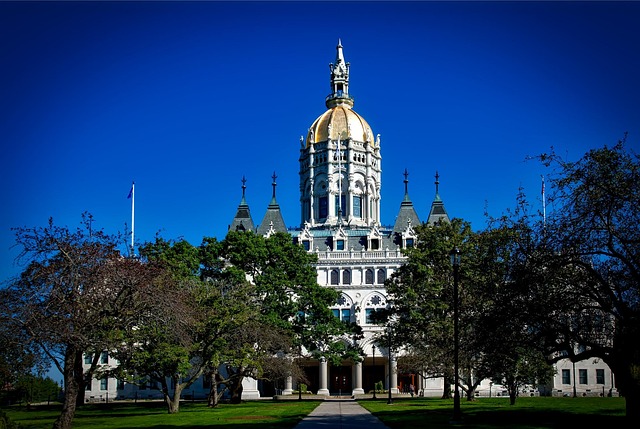
- Connecticut: Hartford. Historically a center for insurance and manufacturing, it boasts significant literary ties.
States D-I
- Delaware: Dover. This colonial capital is known for its historic Green and its role in early American history.
- Florida: Tallahassee. Located in the Florida Panhandle, it’s a hub for state government and higher education.
- Georgia: Atlanta. A major transportation and economic hub, Atlanta played a key role in the Civil War and the Civil Rights Movement.
- Hawaii: Honolulu. Situated on the island of Oahu, it’s the only U.S. state capital located in Oceania.
- Idaho: Boise. Nestled in the Boise River Valley, it’s a growing center for technology and outdoor recreation.
- Illinois: Springfield. Forever associated with Abraham Lincoln, it’s a city rich in presidential history.
- Indiana: Indianapolis. Known for the Indy 500 race, it’s also a significant crossroads for commerce and transportation.
- Iowa: Des Moines. A major center for the insurance industry and a significant agricultural hub.
States K-M
- Kansas: Topeka. The “Top City” on the Kansas River, it’s known for its role in the abolitionist movement.
- Kentucky: Frankfort. Located in the heart of bourbon country, it’s one of the smaller state capitals by population.
- Louisiana: Baton Rouge. Situated on the Mississippi River, it’s a key port and industrial center.
- Maine: Augusta. The easternmost state capital in the U.S., known for its scenic beauty and maritime heritage.
- Maryland: Annapolis. Home to the U.S. Naval Academy, it’s a historic city with a beautiful harbor.
- Massachusetts: Boston. A city steeped in American history, it’s a leading center for education, finance, and innovation.
- Michigan: Lansing. Located inland, it’s a center for government and automotive industry history.
- Minnesota: Saint Paul. Often paired with Minneapolis, Saint Paul is the seat of Minnesota’s government.
- Mississippi: Jackson. Named after Andrew Jackson, it’s a city with deep roots in the Civil Rights Movement.
- Missouri: Jefferson City. Strategically located on the Missouri River, it’s a hub for state politics and wine production.
States N-P
- Nebraska: Lincoln. Originally established as the state capital, it’s known for its university and civic buildings.
- Nevada: Carson City. Founded during the Comstock Lode gold rush, it’s one of the smallest state capitals.
- New Hampshire: Concord. Known for its historic architecture and its location on the Merrick River.
- New Jersey: Trenton. Famous for George Washington’s key Revolutionary War victory nearby.
- New Mexico: Santa Fe. One of the oldest state capitals, it’s renowned for its Pueblo-style architecture and vibrant arts scene.
- New York: Albany. A historic port city that served as the U.S. capital before Washington D.C.
- North Carolina: Raleigh. Named after Sir Walter Raleigh, it’s part of the Research Triangle hub.
- North Dakota: Bismarck. Located on the Missouri River, it’s named after the German statesman Otto von Bismarck.
- Ohio: Columbus. A major center for education, research, and commerce, it’s one of the largest state capitals.
- Oklahoma: Oklahoma City. A rapidly growing city with a significant role in the energy sector.
- Oregon: Salem. Nestled in the Willamette Valley, it’s a hub for agriculture and state government.
- Pennsylvania: Harrisburg. Situated on the Susquehanna River, it has a rich industrial and political history.
States R-W
- Rhode Island: Providence. Founded by Roger Williams, it’s one of the oldest cities in the United States.
- South Carolina: Columbia. Known as the “Palmetto City,” it’s a center for government and education.
- South Dakota: Pierre. Located centrally on the Missouri River, it’s one of the least populous state capitals.
- Tennessee: Nashville. Famous for its music industry, it’s a vibrant cultural and economic center.
- Texas: Austin. Known for its live music scene and its progressive culture, it’s a booming tech hub.
- Utah: Salt Lake City. Founded by Mormon pioneers, it’s the headquarters of The Church of Jesus Christ of Latter-day Saints.
- Vermont: Montpelier. The least populous state capital in the U.S., it’s known for its picturesque setting.
- Virginia: Richmond. A city with profound historical significance, having served as the capital of the Confederacy.
- Washington: Olympia. Located on Puget Sound, it’s a gateway to the Pacific Northwest’s natural beauty.
- West Virginia: Charleston. Situated at the confluence of two rivers, it’s a hub for state government and industry.
- Wisconsin: Madison. Known for its university, lakes, and vibrant political scene.
- Wyoming: Cheyenne. A historic railroad town in the high plains, it’s the most populous city in Wyoming.
How Capitals Are Chosen: History and Compromise
The selection of a state capital is rarely a simple matter. It often involves a blend of historical precedent, geographical considerations, and political compromise. For example, when California became a state, many cities vied for the capital title. Sacramento, located inland and central to the gold-mining regions, was chosen over coastal giants like San Francisco and San Diego due to a desire for a more balanced distribution of power and influence.
In other cases, a city might have been chosen due to its existing importance or its potential for future growth. Frankfort, Kentucky, for instance, was strategically positioned along the Kentucky River, providing vital transportation and trade routes for the developing state. Similarly, cities like Austin, Texas, were established with the explicit purpose of serving as a capital, aiming to centralize government away from the more remote and historically contested areas.
The process can be quite contentious. Take the story of Illinois, where the capital moved multiple times before settling on Springfield. This movement often reflected shifts in population centers and political power struggles. Abraham Lincoln and other influenced the final decision for Springfield prominent figures who championed its central location. This historical pattern of compromise and strategic selection is a recurring theme across the nation’s capital cities.
Historical Significance and Unique Facts
Many state capitals are steeped in history, serving as the backdrop for key moments in American development. Montgomery, Alabama, for instance, was the first capital of the Confederate States of America and a crucial site during the Civil Rights Movement, including the Montgomery Bus Boycott. Its significance is deeply woven into the fabric of American history.
Some capitals boast unique geographical features or claims to fame. Juneau, Alaska, is accessible only by air or sea, making it an outlier among U.S. capitals. Santa Fe, New Mexico, stands out with its distinctive Pueblo-style architecture, a testament to its long history as a Spanish colonial capital and its enduring Native American heritage. Its status as one of the oldest state capitals adds to its unique character.
Other capitals are noted for their population or economic impact. Phoenix, Arizona, is a prime example of a capital city that has experienced explosive growth, becoming a major metropolitan center and a key player in the Southwest’s economy. In contrast, Montpelier, Vermont, remains the least populous state capital, offering a more tranquil and historic atmosphere. These diverse characteristics highlight the rich mix of American state capitals.
Comparing Capitals: Population and Size
The size and population of state capitals vary dramatically, reflecting the diverse economic and demographic landscapes of their respective states. As of June 2026, some capitals are sprawling metropolises, while others are more modest towns. Phoenix, Arizona, consistently ranks among the largest state capitals by population, often competing with cities like Columbus, Ohio, and Austin, Texas, for top spots.
These larger capitals are typically centers of significant economic activity, boasting diverse industries, extensive infrastructure, and major cultural attractions. They often serve as primary transportation hubs and attract substantial business investment. For example, Atlanta, Georgia, is a major international airport and a leading city for corporations.
On the other end of the spectrum, capitals like Montpelier, Vermont, and Pierre, South Dakota, are considerably smaller. These cities often retain a more intimate feel, with government functions being a primary driver of their economy. Their lower populations don’t diminish their importance; they simply reflect a different scale of development and a focus on state administration over widespread commercial enterprise. Understanding these differences provides insight into the varied development patterns across the United States.
State Capitals as Centers of Culture and Innovation
Beyond their governmental functions, state capitals often serve as vibrant centers for culture and innovation. Cities like Boston, Massachusetts, are world-renowned for their prestigious universities, leading research institutions, and thriving biotechnology sectors, making them powerhouses of innovation. Its modern-day impact on matchs its historical significance science and technology.
Nashville, Tennessee, is globally recognized as “Music City,” a testament to its rich musical heritage and its ongoing role in the entertainment industry. Its live music venues, recording studios, and cultural festivals draw visitors from around the world. Similarly, Santa Fe, New Mexico, is celebrated for its thriving arts scene, boasting numerous galleries, art markets, and a unique architectural style that attracts artists and enthusiasts alike.
Many capitals are also actively investing in sustainable practices and technological advancements. Cities like Sacramento, California, are at the forefront of developing smart city initiatives and promoting renewable energy, positioning themselves as models for future urban development. This blend of historical preservation and forward-thinking innovation is a hallmark of many contemporary state capitals.
Tips for Remembering States and Capitals
For students, travelers, or anyone looking to brush up on their U.S. geography, remembering all 50 states and their capitals can be a challenge. Fortunately, there are several effective strategies that can help make the process easier and more engaging. One popular method is using mnemonic devices, creating catchy rhymes or silly sentences that link a state to its capital. For example, “Austin is the capital of Texas, where cowboys relax.” The more absurd the connection, the easier it often is to recall.
Flashcards are another tried-and-true method. You can create physical cards with the state on one side and the capital on the other, or use numerous digital flashcard apps available on smartphones and computers. Regularly quizzing yourself, perhaps with a friend, can significantly boost retention. Many of these apps even incorporate spaced repetition algorithms to reinforce learning over time.
Geographical grouping can also be very effective. Instead of trying to memorize all 50 states at once, focus on learning them by region – the Northeast, the South, the Midwest, the West. Understanding the relative positions of states and their capitals on a map can create a spatial memory that aids recall. Many online quizzes and games are structured this way, making the learning process interactive and fun.
Common Mistakes and How to Avoid Them
One common mistake people make when learning states and capitals is rote memorization without context. Simply trying to drill lists can lead to forgetting information quickly. To avoid this, try to connect the capital to something unique about the state, like its history, a famous landmark, or a cultural aspect. For instance, remembering that Juneau, Alaska, is only accessible by air makes it more memorable than just another name.
Another pitfall is confusing similar-sounding state and capital names. For example, there’s Madison, Wisconsin, and Jefferson City, Missouri. To prevent this, actively visualize the map. Where is Madison in relation to Milwaukee or Chicago? Where is Jefferson City relative to St. Louis or Kansas City? Understanding the spatial relationships on the map can prevent such mix-ups.
A third frequent error is focusing only on the most well-known states and capitals. While New York City and Albany are familiar, it’s crucial to give equal attention to less prominent states like Delaware and its capital Dover, or Maine and its capital Augusta. Ensuring a complete approach that covers all 50 states, rather than just the most populous or famous ones, is key to true geographical literacy.
Conclusion: Your Guide to States and Capitals in 2026
As we’ve explored, the United States is a diverse nation, and its state capitals are as varied as the states they govern. From historical significance and population size to cultural contributions and innovation, each capital city offers a unique glimpse into the American story. As of June 2026, this complete guide provides a solid foundation for anyone seeking to understand American geography and civic knowledge.
Your actionable takeaway: Pick one state you’re less familiar with and learn one interesting fact about its capital this week. Understanding these details not only expands your knowledge but also deepens your appreciation for the intricate mix of the United States.
Last reviewed: June 2026. Information current as of publication; pricing and product details may change.
Frequently Asked Questions
What is states and their capitals?
states and their capitals is a topic that many people search for. This article provides a thorough overview based on current information and expert analysis available in 2026.
Why does states and their capitals matter?
Understanding states and their capitals helps you make better decisions. Whether you’re a beginner or have some experience, staying informed on this topic is genuinely useful.
Where can I learn more about states and their capitals?
We recommend checking authoritative sources and official websites for the most current information. This article is regularly updated to reflect new developments.
Source: edX
Editorial Note: This article was researched and written by the Day Spring Management editorial team. We fact-check our content and update it regularly. For questions or corrections, contact us. Knowing how to address states and their capitals early makes the rest of your plan easier to keep on track.
Related read: Osnovno Učilište: Still a Foundation in 2026?