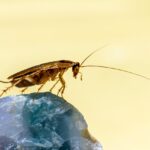
What Exactly Are Asian Cockroaches?
Most readers searching for information on household pests are often trying to identify a specific intruder. When you spot a cockroach that flies readily, especially one that seems to be attracted to light, you might be dealing with the Asian cockroach. This species, scientifically known as Blattella asahinai, is a relatively recent arrival to the United States, first documented in Florida in 1979. They bear a striking resemblance to the more familiar German cockroach, leading to frequent misidentification. However, their behaviour and preferred habitats often set them apart, making accurate identification crucial for effective control and prevention strategies as of June 2026.
Last updated: June 5, 2026
Unlike many indoor pests that exclusively seek shelter within homes, Asian cockroaches are primarily outdoor dwellers. They thrive in warm, humid environments and are commonly found in mulch beds, leaf litter, and other damp organic matter. Their ability to fly with remarkable agility, often towards light sources at dusk, further distinguishes them from their German counterparts, which are generally reluctant flyers. Understanding these nuances is the first step in developing a targeted approach to manage an Asian cockroach presence.
Key Takeaways
- Asian cockroaches (Blattella asahinai) are often mistaken for German cockroaches but are primarily outdoor pests.
- They are strong fliers, attracted to light, and commonly found in moist organic debris like mulch and leaf litter.
- While not considered dangerous disease vectors like some other roaches, they can indicate potential entry points into a home.
- Effective control involves addressing outdoor breeding grounds and sealing potential entry points into structures.
- Integrated pest management strategies, combining sanitation, exclusion, and targeted treatments, are most effective.
Spotting the Difference: Identifying Asian Cockroaches
Distinguishing an Asian cockroach from its look-alike, the German cockroach, is key to tailoring your pest control efforts. Both are small to medium-sized roaches, typically measuring around 1.3 to 1.6 centimeters (about 0.5 to 0.6 inches) in length. Their coloration is generally a light tan to brown, and both possess two parallel dark stripes on the pronotum, the shield-like plate behind their head. This visual similarity is why many people initially assume they have a German cockroach infestation when they see these insects.
However, a few behavioural cues can help you differentiate. Asian cockroaches are known for their strong flight capabilities. They will readily take to the air, often in large numbers, particularly during warmer months and at dusk. This aerial behavior is a significant contrast to German cockroaches, which, while capable of short flights, rarely do so and generally prefer to scurry away. If you see roaches congregating on exterior walls, in leaf litter, or flying around outdoor lighting at night, the Asian cockroach is a prime suspect.
And, their preferred habitat provides another clue. While German cockroaches are almost exclusively found indoors, seeking out kitchens, bathrooms, and other warm, moist areas, Asian cockroaches are predominantly found outdoors. They thrive in environments rich with decaying organic material. Areas like moist mulch beds, compost piles, under damp leaves, and in dense ground cover are their ideal breeding and hiding spots. They will venture indoors, especially when seeking shelter from extreme temperatures or drought, but their primary domain is outside.
Where Do Asian Cockroaches Live and What Do They Do?
As mentioned, Asian cockroaches are fundamentally outdoor creatures. Their ideal environment is one that offers consistent moisture and abundant organic material for food and shelter. This makes areas with thick ground cover, such as dense vegetation, ornamental ground cover plants, and especially moist mulch beds, prime real estate for these insects. They can also be found in piles of leaves, under logs, in compost bins, and within damp soil or leaf litter. Their presence in these areas is often tied to the availability of moisture and food sources.
During the day, they typically remain hidden within these secluded, humid spots, emerging primarily at dusk. This nocturnal or crepuscular activity pattern is typical for many cockroach species. The Asian cockroach’s strong flight allows them to disperse easily, colonizing new areas and finding mates. They are attracted to light, which is why you might see them swarming around outdoor lights on patios, decks, or even streetlights at night. This attraction to light can sometimes draw them towards your home’s exterior and, subsequently, inside.
While they are not typically disease vectors like the American or German cockroach, their presence can still be a nuisance and a sign of potential entry points into your living space. They can contaminate outdoor food preparation areas or simply be unsettling to encounter in large numbers. Their ability to fly means they can potentially enter homes through gaps in screens, under doors, or through utility penetrations, especially during periods of unfavorable weather or when their outdoor habitat becomes too dry or too wet.
The Rapid Life Cycle of the Asian Cockroach
Asian cockroaches are prolific breeders, capable of completing their life cycle relatively quickly under favorable conditions. A female Asian cockroach will produce an egg case, known as an ootheca, which typically contains between 15 to 30 eggs. She carries this ootheca, often attached to her abdomen, for a period before depositing it in a safe, moist location, usually within her preferred outdoor habitat like mulch or leaf litter. This strategy helps protect the developing eggs from desiccation and predators.
Once the eggs hatch, nymphs emerge. These young cockroaches resemble miniature adults but lack wings. They will go through several molts, shedding their exoskeleton as they grow. The nymphal stage can last anywhere from 40 to 70 days, depending on temperature and food availability. Warmer temperatures generally accelerate development. As of 2026, research indicates that their reproductive rates are highest during the warmer months of the year, typically from spring through fall in many regions.
After the final molt, the nymphs mature into adult cockroaches, capable of reproduction themselves. This means that a small initial population can rapidly escalate into a significant infestation if left unchecked, especially in ideal outdoor conditions. A female Asian cockroach can produce multiple oothecae throughout her lifespan, which can range from a few months to over a year depending on environmental factors and predation. This rapid reproductive cycle is why timely intervention is crucial when dealing with Asian cockroaches.
According to the University of Florida IFAS Extension, Asian cockroaches reproduce continuously throughout the year in tropical and subtropical climates, but populations tend to peak during warmer months in more temperate regions. This continuous reproduction cycle underscores the importance of ongoing vigilance and preventative measures, particularly in areas where they are endemic.

Asian Cockroaches vs. German Cockroaches: Key Differences
The resemblance between Asian and German cockroaches is a primary reason for confusion, but their behavioral differences are significant. The most noticeable distinction is their habitat preference and activity. German cockroaches (Blattella germanica) are strongly associated with indoor environments. They are found almost exclusively in human dwellings, particularly in kitchens and bathrooms, where they have access to food, water, and warmth. They are notorious for their ability to infest tightly packed living spaces and are considered one of the most difficult household pests to eradicate.
In contrast, Asian cockroaches (Blattella asahinai) are primarily outdoor pests. They prefer moist, organic debris such as leaf litter, mulch, and compost. While they can and do enter homes, especially during dry or cold spells, or when attracted by lights at night, they don’t typically establish large, thriving colonies indoors in the same way German cockroaches do. Their indoor presence is often transient or a result of seeking temporary refuge.
Flight behavior is another critical differentiator. Asian cockroaches are excellent fliers, often observed taking to the air in large numbers, especially at dusk, and are drawn to light. German cockroaches, while they have wings and can fly short distances, are far less likely to do so. They generally rely on scurrying to escape threats. This difference in flight and activity patterns is a vital clue for accurate identification. If you’re seeing roaches in your yard, flying around your patio lights, or swarming outdoor vegetation, it’s more likely to be the Asian cockroach.
Another point of comparison is their reproductive strategy. Both species produce egg cases (oothecae), but where they deposit them differs. German cockroaches often deposit their oothecae in secluded, dark locations within the home, such as under appliances or inside cabinets. Asian cockroaches, on the other hand, tend to deposit their oothecae in moist outdoor environments, further reinforcing their outdoor-centric lifestyle. Understanding these distinctions is crucial for implementing the correct control and prevention measures.
Are Asian Cockroaches Dangerous?
When considering any pest, a primary concern is always the potential health risks they pose. While the Asian cockroach is not typically considered a significant vector of disease in the same way that some other cockroach species are, their presence should still be addressed. Unlike the American cockroach or the German cockroach, which can carry pathogens from unsanitary environments and transfer them to food surfaces, Asian cockroaches are less likely to inhabit the most unsanitary areas of a home for extended periods.
Their primary habitat is outdoors in organic debris. However, they can contaminate outdoor food and drink preparation areas, and their entry into homes can lead to indirect contact with food surfaces. The general advice from pest control experts, including organizations like the National Pest Management Association (NPMA), is that all cockroaches can potentially spread bacteria and trigger allergies or asthma symptoms in sensitive individuals. The feces and shed skins of cockroaches can act as allergens and irritants.
And, encountering a large number of any insect, including Asian cockroaches, can be psychologically distressing and indicative of a larger environmental issue. If Asian cockroaches are entering your home in large numbers, it suggests that there are significant outdoor breeding grounds nearby and potential entry points that need to be sealed. Addressing the infestation is important not just for comfort but also to prevent them from becoming a nuisance and to maintain a hygienic living environment. For instance, if they are swarming around your outdoor kitchen area, they could contaminate utensils or food items.
While they don’t bite or sting, their sheer numbers and tendency to swarm around outdoor lights can be unnerving. From a public health perspective, their role in disease transmission is considered minimal compared to other cockroach species, but they should still be managed as a potential nuisance and allergen source. As of June 2026, the consensus remains that while not a major disease carrier, they warrant pest management attention.
Effective Control Methods for Asian Cockroaches
Managing an Asian cockroach problem requires a multi-pronged approach, focusing on both eliminating existing populations and preventing future infestations. Because they are primarily outdoor pests, the most effective strategies target their breeding grounds and entry points. This is a core principle of integrated pest management (IPM), which emphasizes understanding the pest’s life cycle and habitat to implement the most efficient and least disruptive control methods.
Sanitation and Habitat Modification: The first line of defense is to make your outdoor environment less appealing. Regularly clear away leaf litter, decaying organic matter, and debris from around your home’s foundation. Keep mulch beds moist but not waterlogged, and trim back dense vegetation that can provide harborage. Ensure compost bins are properly managed and sealed. Clearing these areas reduces their food sources and hiding places.
Exclusion: Preventing them from entering your home is paramount. Inspect your home’s exterior for cracks and crevices. Seal any gaps around utility lines, pipes, and vents with caulk or sealant. Ensure window screens are intact and free of tears, and check that door sweeps are properly fitted to prevent entry under doors. Pay special attention to ground-level windows and doors, as this is where they are most likely to attempt entry.
Targeted Treatments: For immediate reduction of large populations, targeted treatments can be effective. Insecticidal baits can be placed in outdoor areas where Asian cockroaches are commonly found, such as in mulch beds or along foundations. These baits are attractive to cockroaches, and they will consume the insecticide and carry it back to their harborage areas, potentially affecting others. Residual insecticide sprays can be applied to the exterior foundation of your home, particularly around entry points, to create a barrier. According to the Environmental Protection Agency (EPA), it’s crucial to follow product label instructions carefully and to consider using products specifically labeled for outdoor use to minimize environmental impact.
Outdoor Lighting: Since Asian cockroaches are attracted to light, consider using yellow or sodium vapor bulbs for outdoor lighting. These light spectrums are less attractive to many insects compared to standard incandescent or fluorescent lights. Positioning lights away from entryways can also help draw them away from your home.
When dealing with a persistent infestation, consulting a professional pest control service is a wise decision. They have the expertise and tools to accurately identify the pest, assess the extent of the infestation, and apply appropriate treatments safely and effectively. They can also provide tailored advice based on your specific property and local conditions.

Preventing Asian Cockroaches: Long-Term Strategies
Preventing Asian cockroaches from becoming a nuisance is more effective and often less costly than treating an established infestation. The key lies in consistent habitat management and exclusion. As of June 2026, the principles of good sanitation and property maintenance remain the bedrock of any successful pest prevention plan. This involves regular vigilance and proactive steps to make your property less hospitable to these unwelcome guests.
Consistent Yard Maintenance: Regularly inspect and clean up outdoor debris. This includes raking leaves, removing fallen branches, and managing compost piles. Keep grass trimmed and ensure that gutters are clean and draining properly to avoid creating consistently damp areas near your foundation. These actions directly reduce the available shelter and food sources for Asian cockroaches.
Moisture Control: Address any sources of excess moisture around your home. Leaky outdoor faucets, poor drainage, or consistently saturated mulch can create ideal breeding conditions. Ensure that downspouts direct water away from the foundation. Consider reducing the depth of mulch beds, especially near the house, or using different ground cover materials that are less appealing to cockroaches.
Seal Entry Points: Proactive sealing of potential entry points is a critical preventative measure. Regularly check for and repair any cracks or holes in the foundation, walls, and around utility penetrations. Install or repair door sweeps and ensure window screens are in good condition. This physical barrier is one of the most effective ways to keep pests outdoors.
Smart Outdoor Lighting: As noted earlier, Asian cockroaches are attracted to light. Switching to insect-repellent lighting, such as yellow bulbs, and strategically placing lights away from doors and windows can help deter them from congregating near your home’s entry points. This simple change can significantly reduce the chances of them being drawn inside.
Regular Inspections: Make it a habit to periodically inspect common outdoor harborage areas, such as mulch beds and areas around outdoor furniture or play equipment. Early detection of small populations can prevent them from growing into a larger problem. By incorporating these preventative measures into your routine property maintenance, you can significantly reduce the likelihood of an Asian cockroach infestation.
Common Mistakes When Dealing with Asian Cockroaches
Many people make common errors when trying to tackle an Asian cockroach problem, often stemming from misidentification or a lack of understanding about their unique habits. One of the most frequent mistakes is treating them as if they were solely indoor pests, like German cockroaches. This means focusing all efforts on interior treatments, such as spraying baseboards or placing baits inside the home, while neglecting the crucial outdoor breeding grounds where the majority of the population resides. This approach is largely ineffective because it doesn’t address the source of the infestation.
Another common oversight is failing to seal entry points effectively. Because Asian cockroaches are strong fliers and can enter through small gaps, simply spraying insecticides around the perimeter may not be enough. If there are unsealed cracks in the foundation, gaps under doors, or damaged window screens, the cockroaches will continue to find their way inside, rendering external treatments less impactful. As Dr. Michael Turner notes in Cockroach Care, sealing entry points is as vital as any chemical treatment.
Over-reliance on foggers or ‘bug bombs’ is another mistake. While these products might kill visible cockroaches on the surface, they rarely penetrate the deep harborage areas in mulch or leaf litter where Asian cockroaches live. They can scatter the cockroaches, making them harder to control in the long run and potentially driving them deeper into hiding or into the home. These products are generally not recommended for effective, long-term control of outdoor pests like the Asian cockroach.
Finally, inconsistent sanitation and habitat management is a recurring issue. People may clean up their yard once or twice but then let debris accumulate again. Asian cockroaches thrive in environments with ample organic matter and moisture. If these conditions are allowed to return, the problem will likely reappear. Consistent, year-round maintenance is key to long-term prevention. The National Pest Management Association advises that a combination of sanitation, exclusion, and targeted treatments offers the best long-term solution.
Expert Tips for Managing Asian Cockroach Populations
Drawing on insights from pest control professionals and entomologists, several expert tips can significantly improve your success in managing Asian cockroaches. Firstly, accurate identification is paramount. If you’re unsure whether you’re dealing with Asian or German cockroaches, consider taking clear photos or capturing a specimen for identification by a local extension office or a pest control professional. The correct diagnosis dictates the correct treatment strategy. For example, treating an outdoor pest exclusively indoors is a wasted effort.
Secondly, embrace an integrated pest management (IPM) approach. This means combining multiple tactics rather than relying on a single solution. For Asian cockroaches, IPM involves sanitation (removing food and shelter), exclusion (sealing entry points), and, when necessary, targeted application of appropriate insecticides or baits. This complete approach is more sustainable and effective than simply spraying pesticides. According to the University of California Statewide Integrated Pest Management Program, IPM focuses on long-term prevention of pests or their damage through a combination of techniques.
Thirdly, consider the timing of your control efforts. Asian cockroaches are most active and reproduce most rapidly during warmer months. Applying residual insecticides or baits in early spring, before populations explode, can be more effective than waiting until you have a major problem in mid-summer. Similarly, making exclusion repairs in the fall before cooler weather drives them indoors can be a strategic move.
Finally, don’t underestimate the power of simple environmental modifications. Moving outdoor lights away from doors and windows, reducing unnecessary moisture around the foundation, and keeping mulch beds a few inches away from the house can make a significant difference. These small changes, when combined with regular maintenance, create a less welcoming environment for Asian cockroaches and can significantly reduce their presence around your home.
Frequently Asked Questions About Asian Cockroaches
Can Asian cockroaches infest my home?
Yes, Asian cockroaches can enter homes, especially when seeking shelter from extreme temperatures or drought, or when attracted by outdoor lights at dusk. However, they are primarily outdoor pests and less likely to establish large colonies indoors compared to German cockroaches.
Are Asian cockroaches dangerous to touch?
Asian cockroaches don’t bite or sting. While they can carry bacteria and allergens like other cockroaches, they are not considered a primary disease vector. It’s still best to avoid direct contact and maintain hygiene.
How fast do Asian cockroaches reproduce?
Asian cockroaches reproduce rapidly under favorable conditions. A female can produce multiple egg cases, each containing 15-30 eggs, and their life cycle from egg to adult can be as short as 40-70 days, leading to quick population growth.
What is the main difference between Asian and German cockroaches?
The primary difference is their habitat and behavior: Asian cockroaches are strong fliers primarily found outdoors in organic debris, while German cockroaches are reluctant fliers primarily found indoors in kitchens and bathrooms.
What attracts Asian cockroaches to my home?
Asian cockroaches are attracted to moisture, decaying organic matter, and light sources. Outdoor lights at dusk, as well as open entry points like gaps in screens or foundation cracks, can draw them towards your home.
Are there any natural ways to get rid of Asian cockroaches?
Natural methods include maintaining a clean yard by removing leaf litter and debris, sealing entry points, using insecticidal baits that mimic their food sources, and switching to insect-repellent outdoor lighting. Diatomaceous earth can also be used in dry areas around the foundation.
Last reviewed: June 2026. Information current as of publication; pricing and product details may change.
Editorial Note: This article was researched and written by the Day Spring Management editorial team. We fact-check our content and update it regularly. For questions or corrections, contact us.