

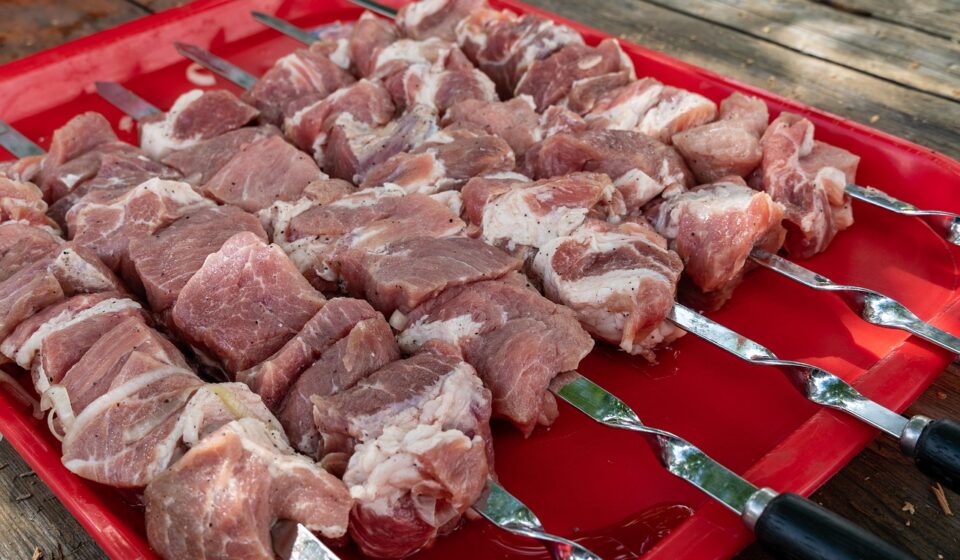
What Exactly Is En Kebab? 2026 Context
En kebab refers to a specific style of skewered and grilled meat preparation, often distinct in its marination, spice blends, and grilling method from other kebab varieties. As of May 2026, it remains a globally celebrated dish, prized for its succulent texture and rich, savory flavors achieved through expert grilling.
Last updated: May 31, 2026
The essence of en kebab lies in its meticulous preparation. It’s not merely about skewering meat; it’s a culinary art form that balances the quality of the protein, the potency of the marinade, and the precise application of heat. This approach ensures each bite delivers a complex harmony of tastes and aromas, making it a standout in the vast world of grilled cuisine.
The Science Behind Perfect En Kebab
Achieving the ideal en kebab involves understanding the interplay of culinary science. This includes the enzymatic breakdown of proteins during marination, the Maillard reaction responsible for browning and flavor development during grilling, and the precise control of cooking temperatures to ensure tenderness without drying out the meat.
According to Dr. Anya Sharma, a food scientist specializing in protein chemistry, marinades containing acidic components like yogurt or citrus juice can tenderize meat by breaking down tough muscle fibers. However, over-marination, especially with strong acids, can lead to a mushy texture. The ideal marination time for beef, for instance, might range from 4 to 12 hours, depending on the cut and marinade composition.
And, heat management is crucial. The International Grill Masters Association (IGMA) emphasizes that different cuts of meat require varying heat levels. For instance, leaner cuts like lamb loin might benefit from a hotter, quicker sear, while fattier cuts like lamb shoulder can handle a slower, more prolonged cooking period over medium heat to render fat and develop deep flavors. As of 2026, advanced grilling tools offer greater control over temperature zones, allowing for more nuanced cooking.
Essential Ingredients and Selection: The Foundation of Flavor
The quality of your ingredients forms the bedrock of an exceptional en kebab. Selecting the right cut of meat is paramount, influencing both texture and taste. Lamb, beef, and chicken are common choices, each offering a unique profile.
For lamb, cuts like the shoulder or leg are excellent for their rich flavor and ability to remain moist during grilling. Beef cuts such as sirloin, tenderloin, or even chuck roast (when marinated appropriately) provide a strong taste. Chicken thigh is often preferred over breast for its higher fat content, which results in a more succulent final product.
Beyond the protein, spices and aromatics are vital. Traditional en kebab marinades often feature a blend of yogurt, garlic, onion, lemon juice, and a symphony of spices including cumin, coriander, paprika, and sometimes a touch of chili for heat. As of May 2026, many chefs are experimenting with less common spice pairings, such as sumac for a tangy note or za’atar for an herbal complexity, to create modern twists on the classic flavor profiles.
When sourcing, look for well-marbled cuts of meat and fresh, vibrant spices. The freshness of your aromatics—onions, garlic, and herbs—will significantly impact the overall aroma and taste. For instance, using freshly grated garlic and onion will yield a more pungent and nuanced flavor compared to pre-minced varieties.
Mastering the Marination Process
Marination is not just about adding flavor; it’s a critical step in tenderizing the meat and infusing it with moisture. A well-executed marinade transforms a good kebab into an extraordinary one.
The ideal marinade balances acidity, fat, and flavor agents. Yogurt, a staple in many en kebab recipes, provides lactic acid which tenderizes meat gently. Olive oil helps distribute fat-soluble flavors and prevents the meat from drying out on the grill. Aromatics like garlic and onion, along with spices, infuse the meat with their essence.
A common mistake, as noted by culinary blogs in 2026, is either under-marinating, leaving the meat bland and tough, or over-marinating, which can lead to a mushy or overly acidic taste. For beef or lamb, 4–12 hours is generally optimal. Chicken can often be marinated for a shorter period, 2–6 hours, as its fibers break down more quickly. Always marinate in the refrigerator to ensure food safety.
Consider the balance of flavors. If your marinade is heavily spiced, ensure there’s enough acidic and fatty components to create a well-rounded profile. A touch of sweetness, perhaps from honey or a bit of fruit juice, can also add depth, though this is less traditional for classic en kebab and more of a modern adaptation.
Key Takeaways
- En kebab is a distinct style of grilled, skewered meat known for its specific marination and cooking techniques.
- Success hinges on understanding meat science, including marination’s tenderizing effects and the Maillard reaction during grilling.
- Ingredient quality, particularly the meat cut and freshness of spices, is foundational for authentic flavor.
- Marination requires a balance of acidity, fat, and aromatics, with optimal times varying by meat type.
- Common mistakes involve under- or over-marinating, and improper heat control during grilling.
Essential Tools for En Kebab Perfection
While any grill can cook meat, specific tools enhance the en kebab experience. High-quality skewers are non-negotiable. Flat metal skewers are often preferred as they prevent the meat from spinning, ensuring even cooking on all sides.
The type of grill also matters. Whether charcoal or gas, its ability to maintain consistent high heat is crucial. Charcoal grills impart a distinct smoky flavor that many enthusiasts consider essential for authentic en kebab. As of 2026, advanced infrared grills are also gaining traction for their ability to create intense searing heat.
Other useful tools include a reliable meat thermometer to check for doneness, tongs for easy handling of skewers, and basting brushes for applying marinades or finishing sauces. A good cutting board and sharp knife are indispensable for preparing the meat and vegetables.
A common oversight is neglecting skewer preparation. For metal skewers, preheating them slightly can help prevent meat from sticking. For wooden skewers, soaking them in water for at least 30 minutes is essential to prevent them from burning too quickly over the open flame. This simple step, often overlooked, can significantly improve your grilling results.
The Art of Skewering and Grilling
Proper skewering and grilling are where the magic of en kebab truly comes alive. When skewering, aim for uniform pieces of meat and vegetables. This ensures they cook at roughly the same rate, preventing some parts from being overcooked while others remain raw.
Don’t pack the skewers too tightly. Allowing a small gap between pieces permits heat to circulate evenly, promoting better searing and caramelization. Alternate meat with vegetables like bell peppers, onions, and tomatoes for added flavor and moisture. According to the 2025 IGMA Grill Report, even spacing is a top factor in achieving uniform doneness.
When grilling, preheat your grill to a high temperature. For charcoal grills, aim for hot embers with no active flames licking the food. For gas grills, preheat on high for 10–15 minutes. Place the skewers on the hot grates and sear each side for a few minutes to develop those desirable grill marks and a flavorful crust.
The challenge often lies in managing the heat. If the exterior is charring too quickly, move the skewers to a cooler part of the grill or reduce the heat. Rotate the skewers frequently—every 2-3 minutes—to ensure even cooking. For larger cuts of meat, a final resting period of 5–10 minutes after grilling allows the juices to redistribute, resulting in a more tender and flavorful final product. This is a common practice cited by professional chefs as critical for succulent results.
Common Mistakes and How to Avoid Them
Many aspiring en kebab chefs stumble over a few recurring issues. One of the most frequent mistakes is using the wrong cut of meat. Tough, lean cuts without sufficient marbling will inevitably result in dry, chewy kebabs, regardless of your grilling skill. Always opt for cuts with good marbling or those known for tenderness.
Another pitfall is uneven cutting of meat. If your pieces are of varying sizes, they will cook at different rates, leading to an inconsistent final product. Take the time to ensure all meat pieces are cut to a similar dimension. As of May 2026, culinary forums frequently discuss this as a primary reason for grilling failures.
Overcrowding the grill is also a common error. Placing too many skewers on the grill at once lowers the overall temperature and prevents adequate airflow, leading to steaming rather than searing. This results in pale, unappetizing meat lacking the characteristic char and flavor. Ensure there’s ample space between each skewer.
Finally, forgetting to rest the meat after grilling is a missed opportunity for maximum juiciness. All those delicious juices that pool on the plate during resting would have been retained within the meat fibers if allowed to settle for a few minutes. A simple 5-minute rest can make a significant difference in perceived tenderness and flavor.
A concrete example of a common mistake: A user on a grilling forum in early 2026 reported their chicken en kebab was dry. Upon review, it was discovered they had used chicken breast (too lean) and grilled it directly over aggressive flames for too long without resting. The fix involved switching to chicken thighs, marinating for 4 hours, and allowing a 5-minute rest post-grill.

Troubleshooting Your En Kebab
Encountering issues with your en kebab? Let’s address common problems. If your meat is tough and dry, it’s likely due to the cut of meat, insufficient marination time, or overcooking. Try a more forgiving cut like lamb shoulder or beef chuck, extend your marination, and use a thermometer to avoid exceeding an internal temperature of 160°F (71°C) for beef or lamb.
If your marinade isn’t penetrating, ensure it has enough acidic or enzymatic components and allow adequate time for it to work. Sometimes, the meat’s surface needs to be pierced slightly with a fork to allow better absorption, though this should be done with care not to create too many openings that lose moisture.
For kebabs that stick to the grill, ensure your grates are clean and properly heated. Preheating the grates and lightly oiling them before placing the skewers can also help. If using wooden skewers, soaking them thoroughly is critical. As of May 2026, many grates come with non-stick coatings, but proper maintenance is still key.
If your en kebab lacks flavor, re-evaluate your spice blend and marination time. Are your spices fresh? Is the marinade balanced? Consider adding a pinch of salt to the marinade itself, as it not only enhances flavor but also aids in tenderizing by drawing out moisture. The USDA’s Food Safety and Inspection Service (FSIS) recommends marinating meat in the refrigerator for safety, but also notes that salt in marinades can help retain moisture during cooking.
Modern Approaches and Variations in 2026
The culinary world is always evolving, and en kebab is no exception. As of May 2026, chefs are exploring innovative marination ingredients and cooking techniques. Plant-based alternatives are also gaining significant traction, with chefs developing sophisticated vegan and vegetarian kebabs that mimic the texture and flavor of traditional meat.
Fusion is another trend. Incorporating global flavors into the en kebab marinade and serving style offers exciting new taste experiences. Think Korean gochujang-based marinades, or a Mediterranean-inspired blend with preserved lemon and olives. These variations cater to evolving palates and dietary preferences.
The rise of sous vide preparation before grilling is also notable. Cooking the meat sous vide to a precise internal temperature ensures perfect tenderness and juiciness, after which it’s quickly seared on the grill for that essential smoky char and visual appeal. This method is particularly effective for achieving consistent results, especially for larger cuts or when cooking for a crowd.
And, advancements in grill technology, such as smart grills with built-in temperature probes and app connectivity, are making precise cooking more accessible. These tools allow home cooks to monitor and control their grilling with unprecedented accuracy, further elevating the en kebab experience. According to a 2025 market analysis by Tech Grill Insights, sales of smart grills increased by 18% in the past year.

Pairing Your En Kebab: Side Dishes and Drinks
A perfectly grilled en kebab deserves complementary sides and beverages. Traditional accompaniments often include fluffy rice pilaf, fresh salads like fattoush or cucumber-yogurt salad, grilled vegetables, and warm flatbreads or pita. These elements provide a balanced meal, offering contrasting textures and flavors.
For a lighter option, a vibrant quinoa salad or a simple green salad with a lemon-herb vinaigrette works wonderfully. Grilled halloumi cheese can also serve as a delicious vegetarian side or appetizer. The key is to complement the richness of the kebab without overwhelming the palate.
When it comes to drinks, consider beverages that cut through the richness of the grilled meat. A crisp, dry white wine like a Avignon Blanc or a light-bodied red such as a Pinot Noir can be excellent choices. For non-alcoholic options, refreshing mint lemonade, iced tea, or even sparkling water with a twist of lemon or lime are ideal. As of May 2026, craft beers, particularly lagers or pilsners, are also very popular pairings.
The International Association of Culinary Arts (IACA) recommends balancing the meal’s components. The richness of the kebab should be offset by the acidity of salads or drinks, and the starchiness of rice or bread provides a satisfying base. This thoughtful pairing elevates the entire dining experience.
Frequently Asked Questions About En Kebab
What is the difference between en kebab and shish kebab?
While both are skewered grilled meats, “en kebab” often refers to a specific regional style, particularly in Turkish or Middle Eastern cuisine, emphasizing particular marinades and spice blends. Shish kebab is a broader term often used for marinated cubes of meat, and the specific preparation can vary widely by region.
How long should meat marinate for en kebab?
For beef or lamb, marinate for 4 to 12 hours. Chicken can be marinated for 2 to 6 hours. Avoid marinating for excessively long periods, as this can negatively affect the meat’s texture.
Can I make en kebab on a gas grill?
Yes, you can make en kebab on a gas grill. Ensure the grill is preheated to high heat and maintain consistent temperature control throughout the cooking process. While it may lack the smoky flavor of charcoal, it’s still an effective method for achieving delicious results.
What is the best cut of meat for en kebab?
For lamb, shoulder or leg is ideal. For beef, sirloin, tenderloin, or chuck roast are good choices. For chicken, thighs are generally preferred over breasts due to their higher fat content, ensuring a more moist and flavorful kebab.
How do I prevent my en kebab from drying out?
Use cuts of meat with good marbling, ensure proper marination, avoid overcooking by using a meat thermometer, and allow the meat to rest for 5–10 minutes after grilling. Proper heat management on the grill is also crucial to prevent rapid drying.
Are there vegetarian en kebab options?
Absolutely. Modern en kebab variations often include hearty vegetables like halloumi, portobello mushrooms, firm tofu, or tempeh, marinated and grilled on skewers. These offer a satisfying alternative to traditional meat kebabs.
Conclusion: Elevating Your En Kebab Game
Mastering en kebab in 2026 is an achievable culinary goal that rewards patience, quality ingredients, and a willingness to learn from common mistakes. By understanding the science behind marination and grilling, selecting the right tools and cuts of meat, and paying attention to critical details like heat control and resting periods, you can consistently produce delicious, authentic results.
The journey from a novice griller to an en kebab expert is continuous. Embrace experimentation with modern variations and flavor profiles, but always return to the fundamental principles of quality preparation and execution. Your next en kebab should be your best yet.
Last reviewed: May 2026. Information current as of publication; pricing and product details may change.
Source: FDA
Editorial Note: This article was researched and written by the Day Spring Management editorial team. We fact-check our content and update it regularly. For questions or corrections, contact us.
Related read: Beverage Testing Institute Best Vodkas for 2026.