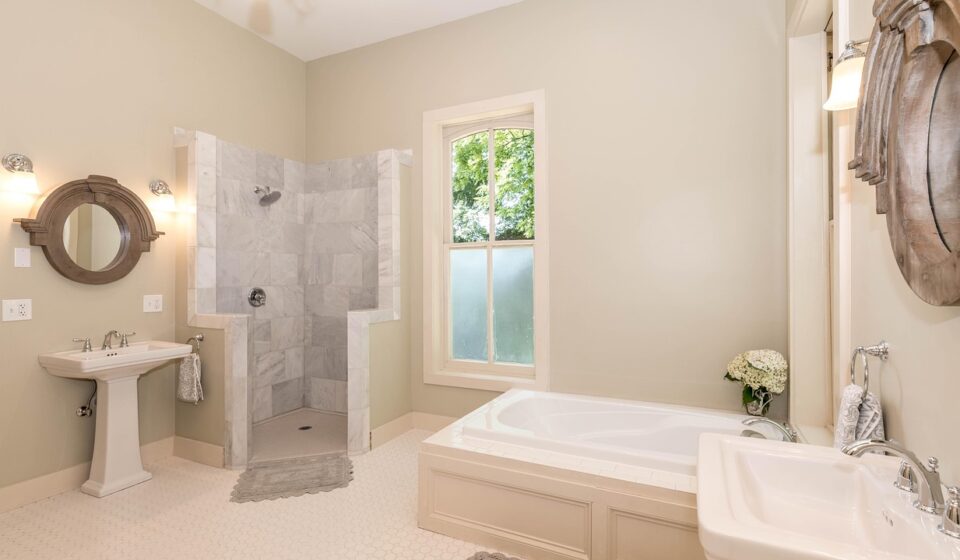
The Enduring Appeal of the Pedestal Sink in 2026
Most readers searching for bathroom fixtures are looking for a blend of functionality, style, and affordability. Pedestal sinks, with their classic silhouette and space-saving design, continue to be a top contender. As of May 2026, their popularity remains strong, especially for smaller bathrooms or powder rooms where every inch counts.
This guide delves into everything you need to know about pedestal sinks, from their historical roots to the latest design trends, material options, installation nuances, and crucial cost factors. We aim to equip you with the knowledge to select a pedestal sink that not only enhances your bathroom’s aesthetic but also aligns perfectly with your budget and practical needs.
What Exactly is a Pedestal Sink?
A pedestal sink is a freestanding sink characterized by its basin, which is supported by a narrow, column-like base known as a pedestal. This design conceals the plumbing and waste trap, offering a cleaner, more elegant visual than exposed pipes. They are a classic fixture, often evoking a sense of vintage charm, but modern interpretations are widely available.
The primary appeal of a pedestal sink lies in its ability to make a small bathroom feel more open. Unlike bulky vanity units, the open space beneath the basin creates an illusion of spaciousness. This makes them particularly suitable for powder rooms, en-suite bathrooms, or guest bathrooms where maximizing floor area is a priority.

Exploring the Diverse World of Pedestal Sinks
While the basic concept remains the same, pedestal sinks come in various forms to suit different needs and aesthetics. Understanding these variations is key to selecting the right one for your space. The most common types include traditional pedestal sinks, corner pedestal sinks, and wall-mount or semi-pedestal sinks.
Traditional Pedestal Sinks: These are the most recognizable, featuring a distinct basin and a full-height pedestal. They offer a classic look and effectively hide all plumbing. Their footprint can vary, with some models being quite compact and others offering a more substantial presence.
Corner Pedestal Sinks: Designed to fit snugly into a corner, these are exceptionally space-saving. They are ideal for very small bathrooms or awkward layouts where a standard sink wouldn’t fit. The design often involves a triangular or curved basin that tucks neatly into the corner junction.
Wall-Mount or Semi-Pedestal Sinks: A more contemporary take, these sinks attach directly to the wall, with a smaller, often decorative, pedestal or bracket extending downwards to provide support and conceal minimal plumbing. This type offers a very minimalist, floating look, making the bathroom feel even more open and simplifying floor cleaning.
According to Home Furnishings Business reports from May 2026, collections like the Kohler + Studio McGee ‘Claude’ line are introducing updated takes on classic designs, including variations that cater to diverse styles within the pedestal sink category. This indicates a market keen on both tradition and contemporary updates.
Materials Matter: Durability and Aesthetics
The material of a pedestal sink significantly impacts its durability, maintenance requirements, and overall aesthetic. The vast majority of pedestal sinks are crafted from ceramic or porcelain, prized for their durability, non-porous surface, and ease of cleaning. However, other materials like stone, glass, or even metal are available for more unique designs.
Ceramic and Porcelain: These are the gold standards for a reason. They are fired at high temperatures, resulting in a hard, durable, and glossy finish that resists stains, scratches, and chips under normal use. Ceramic is generally considered slightly less durable than porcelain, which is denser and less porous. Both are excellent choices for high-traffic bathrooms. The Spruce reports that porcelain sinks are a favorite for their longevity. According to the National Kitchen & Bath Association (NKBA) 2025 consumer survey, 85% of homeowners prefer ceramic or porcelain for bathroom sinks due to their balance of cost and performance.
Natural Stone: Sinks carved from granite, marble, or travertine offer a luxurious, natural look. They are exceptionally durable against scratches but can be porous and susceptible to staining if not properly sealed. Stone sinks are typically heavier and more expensive than ceramic options.
Glass: Tempered glass pedestal sinks offer a modern, chic appearance. They are resistant to staining and easy to clean but can be prone to chipping or cracking from impact. Their transparency can also make water spots more visible.
Metal: While less common for full pedestal sinks, some designs incorporate metal elements or are made entirely from materials like stainless steel or copper. These offer a distinct industrial or artisanal look but require specific maintenance to prevent tarnishing or scratching.

Style Meets Function: Choosing the Right Aesthetic
Pedestal sinks are incredibly versatile in terms of style, fitting seamlessly into various bathroom designs. Whether you’re aiming for a minimalist modern look, a classic Victorian feel, or a rustic farmhouse vibe, there’s a pedestal sink to match.
Modern and Contemporary: Look for clean lines, geometric shapes, and minimalist designs. Rectangular basins, sleek tapers, and integrated or minimalist pedestals are hallmarks of modern pedestal sinks. Think of brands offering refined, uncluttered silhouettes, often in crisp white or sophisticated matte finishes.
Traditional and Vintage: These often feature softer curves, ornate pedestals, and sometimes decorative details like a small backsplash. Faucet hole placement can also indicate style; widespread faucets often suit more traditional designs. Collections inspired by historical designs, like the Kohler Memoirs series, are excellent examples.
Farmhouse and Rustic: These sinks might incorporate elements like apron fronts (though less common for true pedestal styles), textured finishes, or a more strong, sturdier pedestal design. Colors might extend beyond white to include muted earth tones or even subtle patterns.
Color and Finish: While white remains the most popular and versatile color, pedestal sinks are available in a spectrum of colors, from classic black to bold hues like navy or blush pink. Finishes can also vary, from high-gloss to matte, offering further customization.
The Space-Saving Champion: Ideal for Compact Bathrooms
The most significant advantage of a pedestal sink is its ability to maximize space in smaller bathrooms. Unlike vanity sinks that require cabinet space underneath, the open design of a pedestal sink creates a feeling of openness and airflow.
For bathrooms under 75 square feet, especially powder rooms or small en-suites, a pedestal sink can be transformative. Some models are specifically designed for extremely tight spaces. For instance, corner pedestal sinks can reclaim valuable floor space, and some compact models measure as little as 19.5 inches wide by 9.75 inches deep, as noted by This Old House. This makes them perfect for hallways, small apartments, or RVs.
The lack of storage beneath the sink is a trade-off, but this can be mitigated. Consider wall-mounted shelves or narrow linen towers placed nearby to store toiletries and towels. This approach maintains the airy feel of the pedestal sink while providing necessary storage.

Plumbing and Installation: What You Need to Know
Installing a pedestal sink is generally more straightforward than installing a vanity sink, but it still requires careful attention to plumbing and secure mounting. The pedestal itself provides support, but the basin must be securely attached to the wall to prevent tipping.
Rough-in Plumbing: Before installation, ensure the water supply lines and the drainpipe are correctly positioned in the wall. The rough-in for a pedestal sink is similar to other sinks, but the height of the drain and supply lines is crucial for aesthetics, as the pedestal is meant to conceal them.
Securing the Sink: The sink basin typically attaches to the wall using mounting bolts or screws that go through the sink’s backsplash into wall studs or appropriate anchors. The pedestal is then placed underneath, often simply resting on the floor and providing stability, though some models may have a bracket for added security.
DIY vs. Professional: While many homeowners with basic plumbing knowledge can install a pedestal sink themselves, challenges can arise, especially with older plumbing or if precise alignment is required. If you’re unsure about drilling into walls, connecting water lines, or ensuring a watertight seal, hiring a professional plumber is advisable. American Standard lists various pedestal sink models, and their installation guides often highlight the need for secure wall mounting. Professional installation costs can range from $150 to $400, depending on local labor rates and the complexity of the job.
Drain and Faucet Installation: These components are installed similarly to other sinks. Ensure you select a faucet that complements the sink’s style and has the correct number of holes (e.g., single-hole, 4-inch centers, 8-inch widespread). A standard 1.75-inch drain opening is common, but always check product specifications.
The Cost of a Pedestal Sink: Budgeting for Your Choice
Pedestal sinks are generally more affordable than full vanity sets, making them an attractive option for budget-conscious renovations. However, prices can vary significantly based on brand, material, design complexity, and features.
Entry-Level Options: Basic ceramic or porcelain pedestal sinks from lesser-known brands can be found for as little as $100 to $250. These offer functionality and classic style without breaking the bank. Amazon lists numerous options in this range, such as the Sublime Rectangular Two-Piece Ceramic Pedestal Bathroom Sink, often priced under $150.
Mid-Range Choices: Reputable brands like American Standard, Kohler, and Toto offer a wider selection of designs, materials, and finishes in the $250 to $600 range. These models often feature enhanced durability, more refined aesthetics, and sometimes integrated features like small backsplashes or overflow systems. You might find models like the American Standard Fairway Pedestal Sink within this bracket.
High-End and Designer Sinks: Premium designer collections, sinks made from natural stone, or those with intricate detailing can cost $700 to over $1,500. These are often chosen for their unique artistic value or to achieve a specific luxury aesthetic. Brands like Duravit or specific designer collaborations can fall into this category.
Additional Costs: Remember to factor in the cost of a faucet ($50-$300+), drain assembly ($20-$75), water supply lines ($10-$30), and potential professional installation fees ($150-$400). For example, a $300 sink might end up costing closer to $600-$800 once all accessories and installation are included.
According to This Old House, pedestal sink prices can range from $50 for very basic models to $2,000 for high-end designer pieces, though most common options fall between $120 and $300. As of May 2026, market trends suggest stable pricing for standard ceramic models, with slight increases for premium designs and new material innovations.

Pedestal Sinks vs. Other Bathroom Sink Options
When planning a bathroom renovation, it’s helpful to compare pedestal sinks against other popular sink types to ensure you’re making the best choice for your specific needs.
Vanity Sinks: These are integrated into a cabinet unit, offering valuable storage for toiletries, cleaning supplies, and linens. They come in various configurations (undermount, drop-in, vessel) and are ideal for master bathrooms or family bathrooms where storage is essential. However, they occupy more space and are generally more expensive than pedestal sinks.
Wall-Mounted Sinks: Similar to semi-pedestal sinks but often without a pedestal, these attach directly to the wall. They offer excellent space-saving capabilities and ease of cleaning, but they require strong wall mounting and offer no concealed plumbing or storage. They can be a good alternative if the minimalist aesthetic is paramount.
Console Sinks: These feature a sink basin supported by legs (usually two or four), offering an open, airy feel similar to pedestal sinks but often with a more substantial, furniture-like appearance. Some console sinks include a small shelf or two, providing minimal storage.
Undermount Sinks: Typically installed beneath a solid countertop (like granite or quartz), undermount sinks offer a smooth look and make countertop cleaning easy. They are usually paired with vanities or consoles. While elegant, they are part of a larger unit and thus more costly and space-intensive than a standalone pedestal sink.
| Feature | Pedestal Sink | Vanity Sink | Wall-Mounted Sink | Console Sink |
|---|---|---|---|---|
| Space Efficiency | Excellent | Moderate to Poor | Excellent | Good |
| Storage | None | Excellent | None | Minimal (shelf) |
| Aesthetic | Classic, Versatile | Varied (integrated) | Minimalist, Modern | Elegant, Open |
| Cost (Sink Unit) | Low to Moderate | Moderate to High | Low to Moderate | Moderate |
| Installation Complexity | Moderate | Moderate (with cabinet) | Moderate to High (wall support) | Moderate |
| Ease of Cleaning Floor | Excellent | Poor (around cabinet) | Excellent | Good (legs) |
Maintaining Your Pedestal Sink for Longevity
Proper maintenance ensures your pedestal sink remains functional and attractive for years. The non-porous surfaces of ceramic and porcelain make this task relatively simple.
Daily Cleaning: Wipe down the sink basin after each use with a soft cloth or sponge and mild dish soap. This prevents soap scum and water spots from building up. Rinse thoroughly with water and dry with a clean, soft towel to maintain the shine.
Deep Cleaning: For tougher stains or buildup, use a non-abrasive bathroom cleaner. Apply the cleaner, let it sit for a few minutes (check product instructions), and then gently scrub with a soft brush or cloth. Avoid abrasive pads or harsh chemicals like bleach or ammonia, which can damage the glaze over time, especially on older or lower-quality finishes.
Addressing Scratches and Chips: Minor scratches can sometimes be buffed out with a ceramic repair kit or a paste of baking soda and water. For significant chips or cracks, professional repair might be possible for high-end sinks, but often replacement is the more practical solution. According to Consumer Reports data from 2025, porcelain sinks are highly resilient, but impact damage is the most common cause of failure.
Plumbing Checks: Periodically check the water supply lines and drain connection for any signs of leaks. Tighten fittings gently if needed. Address any drips promptly to prevent water damage to the surrounding area or the pedestal itself.
Common Mistakes to Avoid When Buying a Pedestal Sink
Making an informed purchase involves understanding potential pitfalls. Here are common mistakes buyers make when selecting a pedestal sink, and how to avoid them.
Mistake 1: Not Measuring the Space Accurately. This is perhaps the most frequent error. A sink might look great online, but if it’s too wide, too deep, or too tall for the intended space, it won’t fit or will make the bathroom feel cramped. Always measure the available floor space, wall height, and clearance for doors and other fixtures before you start shopping. Remember to account for faucet swing and towel bar placement.
Mistake 2: Forgetting About Faucet Compatibility. Pedestal sinks come with pre-drilled faucet holes, usually for standard 4-inch or 8-inch widespread configurations, or a single-hole faucet. Buying a sink with the wrong hole configuration for your desired faucet is a common oversight. Check the sink’s specifications carefully and ensure your chosen faucet matches.
Mistake 3: Overlooking Plumbing Rough-in. The position of your water supply lines and drainpipe is critical. If the rough-in is too high, too low, or off-center, the pedestal might not conceal it properly, or the plumbing might not connect correctly. Consult a plumber if you’re unsure about your existing rough-in or need to adjust it.
Mistake 4: Neglecting Storage Needs. Pedestal sinks offer no under-sink storage. If you rely on your bathroom sink area for storing toiletries, hair dryers, or cleaning supplies, a pedestal sink might not be the best primary solution unless you have adequate alternative storage elsewhere in the bathroom or home. This is a key drawback highlighted by SpruceBath.com in their reviews of pedestal sinks.
Mistake 5: Choosing Style Over Practicality. While aesthetics are important, ensure the sink’s material and design are practical for your household’s usage. A delicate glass sink might not be ideal for a busy family bathroom with young children, whereas a durable porcelain model would be more forgiving.
Expert Tips for Selecting the Perfect Pedestal Sink
using insights from design professionals and experienced plumbers can help you make a superior choice. Here are some expert tips to guide your selection process for pedestal sinks in 2026.
Prioritize Proper Proportions. A common piece of advice from interior designers is to consider the scale of the sink relative to the room. A petite sink can get lost in a larger bathroom, while an oversized one can overwhelm a small space. For powder rooms, aim for sinks that are between 18 to 24 inches wide. For slightly larger bathrooms where a pedestal is still desired, up to 30 inches might work, but always ensure ample clearance around it.
Consider the Faucet Placement Carefully. The number and spacing of faucet holes dictate your faucet options. Single-hole faucets offer a minimalist look, while 4-inch center-set or 8-inch widespread configurations provide a more traditional aesthetic and can be easier to clean around. Ensure the faucet you choose complements the sink’s overall style and your plumbing setup.
Think About the Underside. While the pedestal is designed to hide plumbing, look at how it interfaces with the floor. A well-designed pedestal should sit flush and stable, preventing dust and debris from accumulating underneath. Some models have a slightly recessed base or a decorative foot that adds stability and aesthetic appeal.
Don’t Discount the Backsplash. Many pedestal sinks come with a small integrated backsplash. This feature is highly practical, preventing water from splashing directly onto the wall behind the sink, which can protect paint and drywall. If a sink doesn’t have one, consider installing a tile backsplash or a wall-mounted faucet to achieve a similar protective effect.
Invest in Quality Materials. According to Home Furnishings Business, the trend in 2026 is towards enduring quality. For pedestal sinks, this means prioritizing solid ceramic or porcelain from reputable manufacturers. While they might cost slightly more upfront, they offer superior durability, easier maintenance, and a more substantial feel than cheaper alternatives.
Test for Stability. If possible, gently push on the sink basin when it’s installed (or on a display model). It should feel solid and securely mounted to the wall, with no wobbling or give. A properly installed pedestal sink is safe and reliable.
Frequently Asked Questions About Pedestal Sinks
Are pedestal sinks still in style in 2026?
Yes, pedestal sinks remain highly fashionable in 2026, particularly for their timeless elegance and space-saving qualities. They are especially popular in modern minimalist designs, vintage-inspired bathrooms, and compact powder rooms.
What are the main disadvantages of a pedestal sink?
The primary disadvantage is the complete lack of under-sink storage. They also offer no countertop space for toiletries. Installation requires secure wall mounting, and they are not ideal for bathrooms needing significant storage solutions.
Can you put a pedestal sink in a small bathroom?
Absolutely. Pedestal sinks are one of the best choices for small bathrooms, as their open design creates an illusion of space. Compact and corner models are specifically designed for very limited areas.
How much space do you need for a pedestal sink?
A standard pedestal sink requires about 2 to 3 feet of width and at least 1.5 feet of depth for comfortable use. However, compact models can fit in spaces as narrow as 18 inches wide, with appropriate clearance for the faucet and user.
Is a pedestal sink harder to install than a drop-in sink?
Installation complexity varies, but pedestal sinks often require more precise wall mounting for stability. Drop-in sinks are generally easier as they rest on the countertop, though they are part of a larger vanity unit installation.
What is the average lifespan of a pedestal sink?
A well-maintained ceramic or porcelain pedestal sink can last for decades, often 30 years or more. Material quality, installation, and regular cleaning significantly influence its longevity.
Conclusion: A Smart Choice for Style and Space
Pedestal sinks offer a compelling combination of classic design, space efficiency, and affordability that continues to make them a popular fixture in 2026. Whether you’re renovating a compact powder room or seeking a more minimalist aesthetic for a larger bathroom, a pedestal sink provides an elegant solution.
By carefully considering the type, material, style, and installation requirements, and by being mindful of the associated costs, you can select a pedestal sink that perfectly complements your bathroom and your budget. The key takeaway is to measure accurately, understand your storage needs, and prioritize quality materials for enduring beauty and function.
Last reviewed: May 2026. Information current as of publication; pricing and product details may change.
Editorial Note: This article was researched and written by the Day Spring Management editorial team. We fact-check our content and update it regularly. For questions or corrections, contact us.
Related read: Matarecycler: Smarter Recycling for a Sustainable 2026.