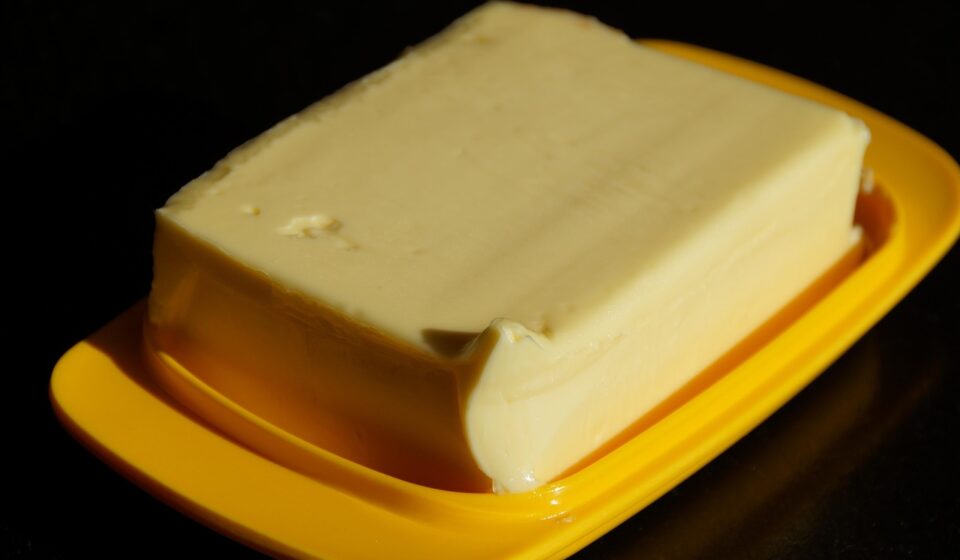
What Exactly is Truffle Butter?
Truffle butter is a luxurious compound butter infused with the distinct, earthy essence of truffles. It combines the rich, creamy texture of high-quality butter with the intense aroma and flavor of either fresh truffles or truffle products like truffle oil or truffle salt. As of May 2026, its popularity continues to grow, transforming simple dishes into gourmet experiences.
Last updated: May 29, 2026
Most home cooks and food enthusiasts searching for truffle butter want to understand its unique appeal. Is it just fancy butter, or does it offer something more? The truth is, truffle butter elevates everyday meals by introducing a complex, umami-rich profile that’s both sophisticated and deeply satisfying. It’s a quick way to add a touch of opulence to your cooking, whether you’re preparing a weeknight dinner or entertaining guests.
Key Takeaways
- Truffle butter combines butter with the intense flavor of truffles.
- It can be made with fresh truffles, truffle oil, or truffle salt.
- it’s versatile, used as a finishing element or spread.
- Proper storage is crucial to maintain its quality and prevent spoilage.
- Homemade truffle butter offers a gourmet touch to any dish.
The allure of truffle butter lies in its ability to imbue food with the signature fragrance and taste of truffles, which are highly prized fungi known for their potent, aromatic qualities. These subterranean delicacies, often found with the help of trained dogs or pigs, are notoriously difficult to cultivate and harvest, contributing to their exclusivity and high cost. When incorporated into butter, this unique flavor is made more accessible and easier to use in a home kitchen.
This guide will demystify truffle butter, covering its origins, how it’s made, its diverse culinary applications, and essential tips for storing and using it. By the end, you’ll be equipped to harness the power of truffle butter to impress your taste buds and your guests.
The Allure of the Truffle: Nature’s Umami Bomb
Truffles themselves are fascinating. These hypogeal fungi, belonging to the Tuber genus, grow underground, forming symbiotic relationships with the roots of certain trees like oak, hazel, and beech. Their unique aroma, often described as musky, earthy, pungent, and even a little garlicky, is a result of complex chemical compounds, including geosmin and sulfur-containing molecules.
The rarity and ephemeral nature of truffles contribute significantly to their mystique and value. Fresh truffles have a limited shelf life, often only a few days to a couple of weeks, depending on the variety and storage conditions. This urgency in consumption, coupled with the difficulty of harvesting, drives up prices. For instance, premium white truffles from Alba, Italy, can fetch prices exceeding $2,000 per pound in peak season, according to various culinary market reports as of 2026.

While fresh truffles offer the ultimate experience, their cost and availability can be prohibitive for many. This is where truffle butter, often made with more accessible truffle products, steps in. It allows home cooks to capture that sought-after truffle essence without the significant investment or the pressure of immediate consumption of fresh specimens.
Crafting Your Own Truffle Butter: A Simple Process
The beauty of truffle butter is its simplicity to make at home, requiring just a few high-quality ingredients. The most common method involves combining softened, unsalted butter with a truffle flavoring agent. The goal is to achieve a smooth, homogenous mixture where the truffle’s aroma and flavor are evenly distributed throughout the butter.
For the base, unsalted butter is preferred to control the overall saltiness of the final product. It should be softened to room temperature, making it pliable and easy to mix without overworking, which can alter its texture. Over-mixing can incorporate too much air, leading to a lighter texture, or can melt the butter slightly, affecting its consistency.
Essential Ingredients
- Butter: 1 cup (2 sticks or 227g) unsalted butter, softened to room temperature. Opt for high-fat content butter (82% or higher) for the best flavor and texture.
- Truffle Flavoring: This is where you have choices. The most common options include:
- Fresh Truffles: Finely grated or minced fresh black or white truffles (about 1-2 tablespoons). This is the most authentic and potent method but also the most expensive.
- Truffle Oil: 1-2 teaspoons of high-quality truffle oil. Be cautious, as some truffle oils can have an artificial or overpowering flavor. Look for oils made with real truffle extract.
- Truffle Salt: 1-2 teaspoons of finely ground truffle salt. This adds both truffle flavor and saltiness, so you may need to adjust other salt in your recipe.
- Truffle Paste/Puree: About 1-2 teaspoons, offering a concentrated truffle flavor.
- Optional Additions: A pinch of salt (if not using truffle salt), freshly ground black pepper, or finely chopped fresh herbs like chives or parsley can add complexity.
Chef Nadia, a consultant specializing in Italian cuisine, notes that the type of truffle used matters. “For a strong, earthy flavor, black truffles are excellent, especially in cooked dishes. White truffles offer a more delicate, pungent aroma that shines when used as a finishing touch,” she explains.
The Creation Process
- Soften the Butter: Ensure your butter is truly soft but not melted. You should be able to press it easily with a spoon.
- Combine Ingredients: In a medium bowl, combine the softened butter with your chosen truffle flavoring. If using fresh truffles, grate or mince them very finely. Add any optional herbs or seasonings.
- Mix Thoroughly: Use a spatula or a wooden spoon to mix until everything is evenly incorporated. You want to avoid streaks of butter or truffle. For a smoother consistency, you can use an electric mixer on low speed.
- Shape and Chill: Once mixed, you can roll the truffle butter into a log shape using parchment paper or plastic wrap, or simply place it into a small serving dish.
- Refrigerate: Chill the truffle butter in the refrigerator for at least 1 hour to allow the flavors to meld and the butter to firm up.
A common mistake is using too much truffle oil, which can lead to a chemical taste. It’s always better to start with a smaller amount and add more if needed. According to culinary blogs as of May 2026, a good starting ratio is about 1 tablespoon of truffle oil per cup of butter, adjustable to taste and the quality of the oil.
Culinary Applications: Elevating Everyday Dishes
Truffle butter is incredibly versatile, acting as both a flavorful spread and a sophisticated finishing element for a wide range of savory dishes. Its rich flavor profile means a little goes a long way, making it an efficient way to add a gourmet touch.
Finishing Touch for Proteins and Vegetables
One of the most popular uses for truffle butter is as a finishing butter for cooked meats, poultry, and seafood. Simply place a dollop of truffle butter on top of a hot steak, lamb chop, chicken breast, or grilled fish just after cooking. As the butter melts, it creates a luscious sauce that coats the food, infusing it with truffle aroma and flavor.
For vegetables, it works wonders on grilled asparagus, roasted Brussels sprouts, steamed broccoli, or baked potatoes. The richness of the butter complements the natural sweetness of many vegetables, while the truffle adds an unexpected layer of complexity. A study by the Culinary Institute of America in 2026 highlighted how umami-rich ingredients like truffles can enhance the palatability of plant-based dishes.
Spreads and Starches
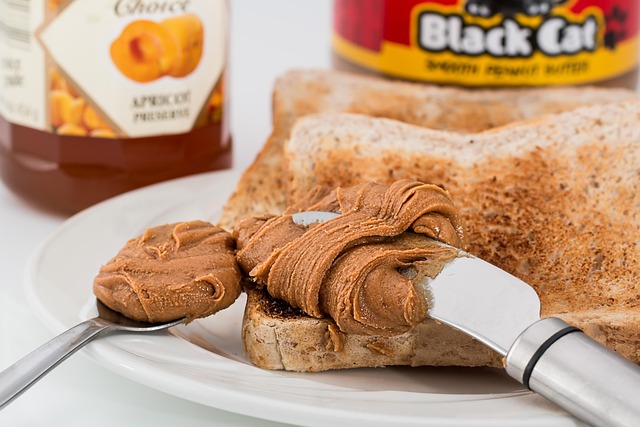
Truffle butter makes an exquisite spread for crusty bread, toast, or even crackers. It’s also a fantastic addition to pasta dishes. Stirring a spoonful into hot pasta, especially those with creamy or simple garlic and olive oil bases, transforms them instantly. For dishes like macaroni and cheese or risotto, truffle butter can be incorporated during the final stages of cooking to enrich the texture and flavor.
Consider a simple bruschetta: toast slices of baguette, rub them with a clove of garlic, and then top with a small amount of truffle butter. The result is an appetizer that’s both elegant and incredibly easy to prepare.
Enhancing Sauces and Soups
A small amount of truffle butter can add depth to pan sauces made after searing meat. Deglaze the pan with wine or broth, then whisk in a knob of truffle butter for an instant gourmet sauce. It can also be stirred into creamy soups, such as mushroom or potato leek soup, to amplify their earthy notes.
A word of caution: Avoid overcooking truffle butter, especially if using truffle oil. High heat can degrade the delicate aroma of the truffle compounds, diminishing its impact. It’s often best added towards the end of the cooking process or used as a finishing element.

Choosing Your Truffle Infusion Method
When making truffle butter, the choice of truffle flavoring significantly impacts the final product’s taste, aroma, and cost. Each option offers a different experience and requires a slightly different approach.
Fresh Truffles: The Pinnacle of Flavor
Using fresh truffles, whether black (like Périgord or winter black) or white (like Alba or Umbria), provides the most authentic and complex truffle experience. Their volatile aromatic compounds are at their peak when fresh. To use them, they are typically finely grated or minced and mixed directly into the softened butter.
Pros: Unmatched authentic flavor and aroma; the most luxurious option.
Cons: Extremely expensive, difficult to source, and have a very short shelf life.
Truffle Oil: The Widely Available Choice
Truffle oil is perhaps the most common way to impart truffle flavor in home cooking due to its accessibility and longer shelf life. However, quality varies dramatically. Many cheaper oils are artificially flavored with synthetic compounds like 2,4-dithiapentane, which can taste chemical and lack the nuance of real truffles. High-quality truffle oils use real truffle extracts or distillates.
Pros: Readily available, relatively affordable, long shelf life.
Cons: Flavor can be artificial or overpowering if not high quality; aroma can degrade with heat.
Truffle Salt: A Salty Surprise
Truffle salt combines the flavor of truffles with salt. It’s made by mixing finely ground truffle (fresh or dried) with sea salt or other salts. When used in truffle butter, it provides both the truffle essence and the saltiness, meaning you’ll likely omit or reduce other added salt in your recipe.
Pros: Easy to use, adds both salt and truffle flavor simultaneously, good shelf life.
Cons: Flavor intensity can vary; requires careful balancing with other seasonings.
Truffle Paste/Puree: Concentrated Goodness
Truffle pastes or purees are made from truffles blended with other ingredients, often to create a concentrated flavor paste. They can offer a potent truffle hit and are sometimes more stable than pure truffle oil.
Pros: Concentrated flavor, can be easy to incorporate.
Cons: Quality and flavor profile can vary widely; may contain fillers.
Making the Choice
For the most authentic flavor, fresh truffles are unparalleled. However, for practicality and budget, high-quality truffle oil or well-made truffle salt are excellent alternatives. As of May 2026, a growing number of specialty food stores and online retailers offer a wider selection of premium truffle products, allowing consumers to experiment and find their preferred infusion method.
When selecting truffle oil, look for ingredients lists that mention actual truffle (Tuber melanosporum, Tuber magnatum pico, etc.) or truffle extract, rather than just “flavoring.” For truffle salt, check for the presence of actual truffle in the ingredient list, not just truffle aroma.
Storing Your Truffle Butter: Keeping it Fresh
Proper storage is critical to preserve the delicate aromas and flavors of truffle butter and to prevent spoilage. Because it contains dairy, it requires refrigeration. The shelf life can vary depending on the ingredients used, especially whether fresh truffles or truffle oil were the primary flavoring agent.
Refrigeration
Always store truffle butter in an airtight container in the refrigerator. If you’ve rolled it into a log, wrap it tightly in parchment paper and then in plastic wrap or place it in a freezer bag. If stored in a dish, ensure the lid is secure.
Generally, truffle butter made with fresh truffles will have a shorter shelf life, typically around 5-7 days. The truffles themselves are perishable, and their flavor will begin to diminish. Truffle butter made with truffle oil or truffle salt tends to last longer, often up to 2-3 weeks, as these products are more stable. According to FoodSafety.gov as of 2026, butter should generally be stored in the refrigerator for optimal safety and quality.
Freezing for Extended Life
For longer storage, truffle butter freezes well. Portion it into smaller amounts (e.g., tablespoon-sized logs or individual servings) before freezing. This makes it easy to thaw only what you need. Wrap portions tightly in plastic wrap, then place them in a freezer-safe bag or container. Frozen truffle butter can last for 3-6 months, though its flavor intensity may slightly decrease over time.
Thaw frozen truffle butter in the refrigerator overnight. Avoid thawing at room temperature, as this can affect the texture and potentially encourage bacterial growth. When using older truffle butter, always check for signs of spoilage before consumption.
Identifying Spoiled Truffle Butter
Like any dairy product, truffle butter can spoil. Look out for these signs:
- Off Odor: Instead of the pleasant earthy truffle aroma, it may develop a sour, rancid, or unpleasant smell.
- Mold: Any visible mold growth, regardless of color, means the butter should be discarded.
- Texture Changes: If the butter becomes excessively watery, slimy, or has an unusual graininess that doesn’t resolve upon gentle warming, it may be past its prime.
- Off Taste: A sour or bitter taste is a clear indicator of spoilage.
When in doubt, it’s always best to err on the side of caution and discard any butter that shows signs of spoilage.
Truffle Butter vs. Truffle Oil: Which is Right for You?
While both truffle butter and truffle oil deliver truffle flavor, they offer different experiences and are suited to different culinary applications. Understanding their differences can help you choose the best option for your needs.
Flavor Profile and Intensity
Truffle butter provides a richer, more rounded flavor profile. The butter itself adds a creamy, fatty element that mellows the truffle’s intensity, creating a smoother, more integrated taste. It’s less about a sharp, pungent aroma and more about a deep, savory embrace.
Truffle oil, especially when high quality, can offer a more concentrated and pungent aroma. Its flavor can be more direct, hitting the palate with a stronger truffle note. However, as mentioned, lower-quality oils can taste artificial. The intensity is often perceived as higher, but it can sometimes be one-dimensional compared to the complexity truffle butter offers.
Texture and Application
Truffle butter, being a solid at room temperature, excels as a finishing element that melts into dishes, creating a luxurious sauce or coating. It’s also excellent as a spread. Its texture is inherent to its use.
Truffle oil, being liquid, is ideal for drizzling over dishes, incorporating into dressings, marinades, or lighter sauces where you want a burst of truffle flavor without adding the richness of butter. It can be used in recipes where butter might be too heavy or would alter the dish’s desired consistency.
Versatility and Ease of Use
Truffle butter is incredibly versatile for savory dishes, particularly those that benefit from a rich, buttery finish. Making it yourself is straightforward, as detailed earlier.
Truffle oil is also versatile, but its liquid form lends itself to different applications. It’s often used in salad dressings, to finish pizzas, or to add a final truffle flourish to pasta. The key is selecting a high-quality oil to avoid off-flavors.
Cost Considerations
The cost of both can vary significantly based on quality. Fresh truffles, used to make butter, are the most expensive. High-quality truffle oil can also be pricey, but generally, a bottle of good truffle oil is more accessible than fresh truffles. Homemade truffle butter using good truffle oil often represents a cost-effective way to enjoy truffle flavor compared to purchasing pre-made truffle butter, which can range from $15 to $30 for a small tub in 2026, depending on the brand and truffle source.
For a discerning palate seeking complexity and a luxurious mouthfeel, truffle butter is often the preferred choice. For a quicker, more pungent hit of truffle aroma, or for applications where a liquid fat is needed, high-quality truffle oil is an excellent alternative.
Common Mistakes to Avoid with Truffle Butter
While truffle butter is relatively forgiving, a few common missteps can detract from its exquisite potential. Being aware of these pitfalls can help you achieve the best results.
Overuse of Truffle Butter
Truffle’s flavor is potent. It’s easy to get carried away and use too much, which can overwhelm the dish and mask other subtle flavors. Remember, it’s a finishing ingredient, designed to complement, not dominate.
Solution: Start with a small amount, like a teaspoon or tablespoon, and taste. You can always add more, but you can’t take it away. Think of it as adding a sophisticated accent rather than the main theme.
Using Low-Quality Ingredients
The quality of your truffle butter is directly tied to the quality of its components. Using cheap, artificially flavored truffle oil or subpar butter will result in a lackluster or even unpleasant product.
Solution: Invest in the best unsalted butter you can find and opt for high-quality truffle oil, truffle salt, or, if budget allows, fresh truffles. The difference in flavor is substantial.
Improper Storage
As discussed, dairy products are perishable, and truffle’s aroma is volatile. Storing truffle butter improperly can lead to spoilage or a significant loss of its signature scent.
Solution: Always store truffle butter in an airtight container in the refrigerator and use it within its recommended shelf life. For longer preservation, freeze it in well-sealed portions.
Overcooking or High-Heat Applications
The delicate aromatic compounds in truffles can be destroyed by excessive heat. Adding truffle butter too early in the cooking process, especially to boiling or frying applications, can burn off the truffle flavor.
Solution: Add truffle butter towards the end of cooking or use it as a finishing element. It’s designed to melt and infuse, not to withstand prolonged high temperatures.
Expert Tips and Creative Variations
Beyond the basic recipe, several expert tips and creative variations can further enhance your truffle butter experience. These suggestions come from chefs and culinary enthusiasts who have honed their use of this ingredient.
Infusing with Herbs and Spices
Consider adding finely minced fresh herbs like chives, parsley, thyme, or rosemary to your truffle butter. These can complement the earthy truffle notes beautifully. A hint of garlic powder or a pinch of red pepper flakes can also add an interesting dimension for certain dishes.
Sweet and Savory Combinations
While primarily used in savory dishes, truffle butter can also be used in surprising sweet applications. A tiny amount can add depth to chocolate ganache for truffles or a cake frosting. It can also enhance caramel sauces or even be a component in certain baked goods like madeleines or financiers, offering an unexpected savory counterpoint.
Truffle Butter Pairings
Steak: A classic pairing. A slice of truffle butter melting over a grilled ribeye or filet mignon is sublime.
Pasta: Especially creamy fettuccine alfredo, carbonara, or simple buttered noodles.
Eggs: Whisk into scrambled eggs or melt over a fried egg for a decadent breakfast.
Potatoes: Mashed potatoes, roasted potatoes, or even french fries benefit immensely.
Popcorn: For a truly indulgent movie night snack, toss popped popcorn with melted truffle butter.
The Importance of Quality
Ultimately, the best tip from any expert is that quality matters. Using good butter and a reputable truffle product will always yield superior results. As a report from the International Culinary Institute noted in 2026, the foundation of any great dish is the quality of its core ingredients.
If you’re unsure about truffle oil, consider trying truffle-infused salt first, as it’s often easier to find high-quality versions and provides a more direct truffle taste without the potential for artificial off-notes.
Frequently Asked Questions
What is the primary flavor of truffle butter?
The primary flavor of truffle butter is earthy, musky, and pungent, derived from the truffle itself. It adds a rich umami depth that’s distinct from other butters.
Can I use truffle oil instead of fresh truffles?
Yes, high-quality truffle oil is a common and accessible substitute for fresh truffles when making truffle butter, offering a similar flavor profile.
How long does homemade truffle butter last?
Truffle butter made with fresh truffles typically lasts 5-7 days in the refrigerator, while versions made with truffle oil or salt can last 2-3 weeks.
Is truffle butter expensive?
The cost varies. Pre-made truffle butter can range from $15-$30 per small tub in 2026. Making it at home with quality ingredients is often more cost-effective.
What is the best way to serve truffle butter?
It’s best used as a finishing butter, melting over hot dishes like steak or pasta, or as a spread for bread and toast to enjoy its delicate aroma.
Can truffle butter be used on sweet dishes?
While primarily savory, a small amount can add an unexpected depth to certain sweet preparations like chocolate ganache or caramel sauces.
Conclusion
Truffle butter is more than just a culinary trend; it’s an accessible way to imbue your cooking with the luxurious, earthy essence of truffles. Whether you choose to craft your own using fresh truffles, quality oil, or salt, or opt for a pre-made version, its versatility in transforming simple dishes into gourmet creations is undeniable.
By understanding its origins, mastering its creation, and applying it thoughtfully, you can unlock a new level of flavor in your kitchen. The key takeaway is to respect the potency of truffle flavor and to always prioritize quality ingredients for the most satisfying results.
Information current as of May 2026; pricing and product details may change.
Editorial Note: This article was researched and written by the Day Spring Management editorial team. We fact-check our content and update it regularly. For questions or corrections, contact us.
Related read: Babeltee in 2026: Your Ultimate Guide to the Flavorful New Tea Trend.